Advanced Minimally Invasive Wrist Surgery for Faster Recovery
What is Wrist Arthroscopy?
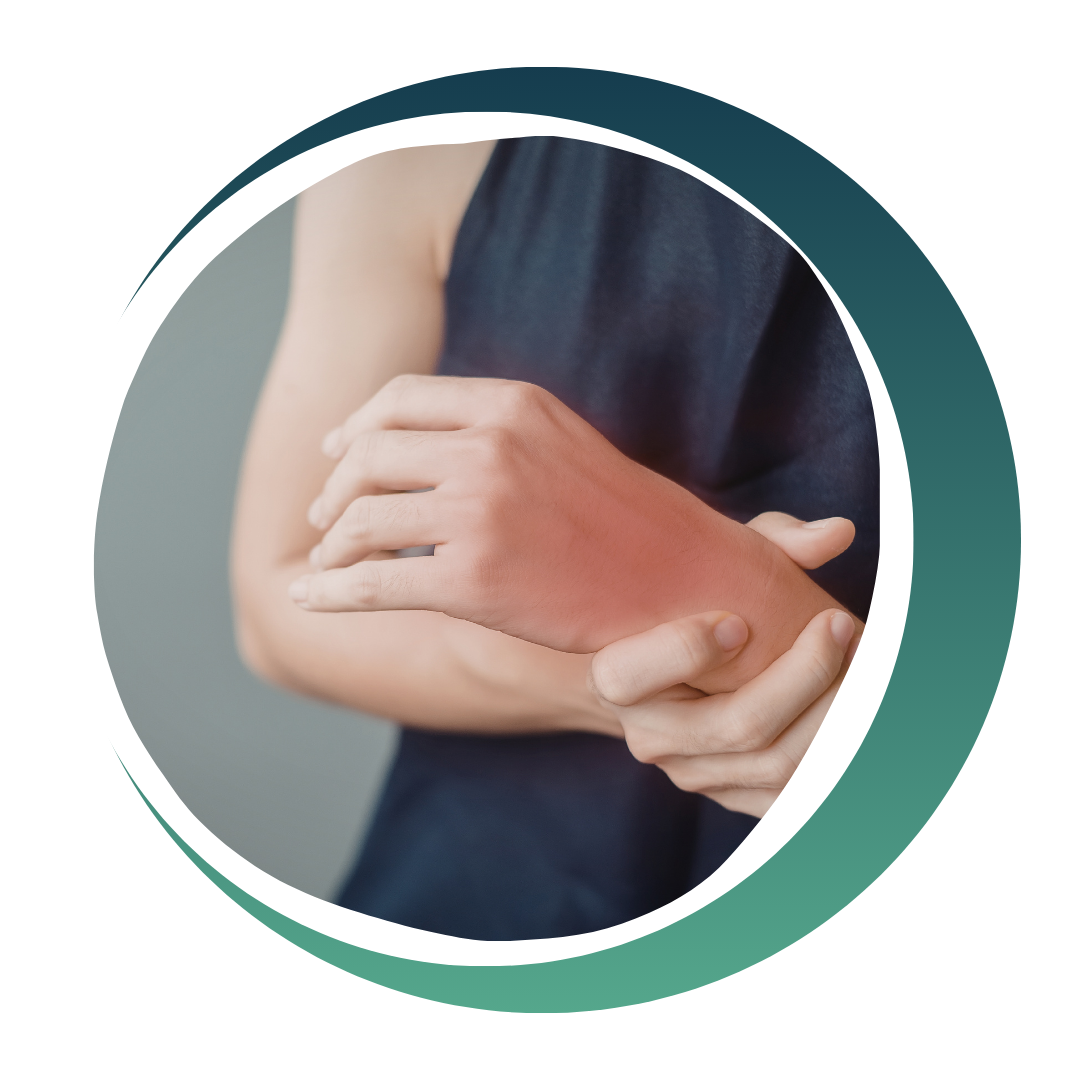
Symptoms That Indicate Wrist Arthroscopy May Be Needed
Patients should not ignore persistent wrist discomfort. Instead, they should seek medical evaluation if they experience:
Continuous wrist pain lasting several weeks
Swelling and stiffness
Clicking or catching sensation
Reduced grip strength
Instability while lifting objects
Pain during sports or repetitive activities
Moreover, delaying treatment may worsen ligament damage or cartilage wear. Therefore, consulting an orthopaedic specialist at the right time prevents long-term complications.
Conditions Treated with Wrist Arthroscopy
Wrist arthroscopy effectively treats a wide range of wrist joint conditions. In many cases, patients experience pain for months before seeking expert care. However, early intervention prevents long-term joint damage and stiffness.
1. Triangular Fibrocartilage Complex (TFCC) Tears
Firstly, TFCC tears commonly cause ulnar-sided wrist pain, especially after falls or sports injuries. The surgeon repairs or trims the damaged tissue arthroscopically to restore wrist stability and reduce pain.
2. Wrist Ligament Injuries
Secondly, ligament injuries may cause instability and weakness in the wrist. Through arthroscopy, the surgeon repairs torn ligaments and strengthens joint support structures.
3. Chronic Wrist Pain
Furthermore, when conservative treatment fails to relieve persistent wrist pain, arthroscopy helps identify hidden cartilage damage, loose bodies, or synovial inflammation.
4. Ganglion Cysts
In addition, wrist arthroscopy allows surgeons to remove ganglion cysts from inside the joint while minimizing scarring and recurrence.
5. Cartilage Damage
Similarly, cartilage defects may cause stiffness and restricted motion. The surgeon smooths damaged cartilage surfaces to improve joint function.
6. Wrist Arthritis (Early Stage)
Finally, in early arthritis cases, surgeons clean inflamed tissue and smooth joint surfaces to slow disease progression and improve comfort.
Overall, wrist arthroscopy enables accurate diagnosis and targeted treatment in a single procedure, which significantly enhances recovery outcomes.
Request a Callback
Advanced Wrist Arthroscopy Procedure
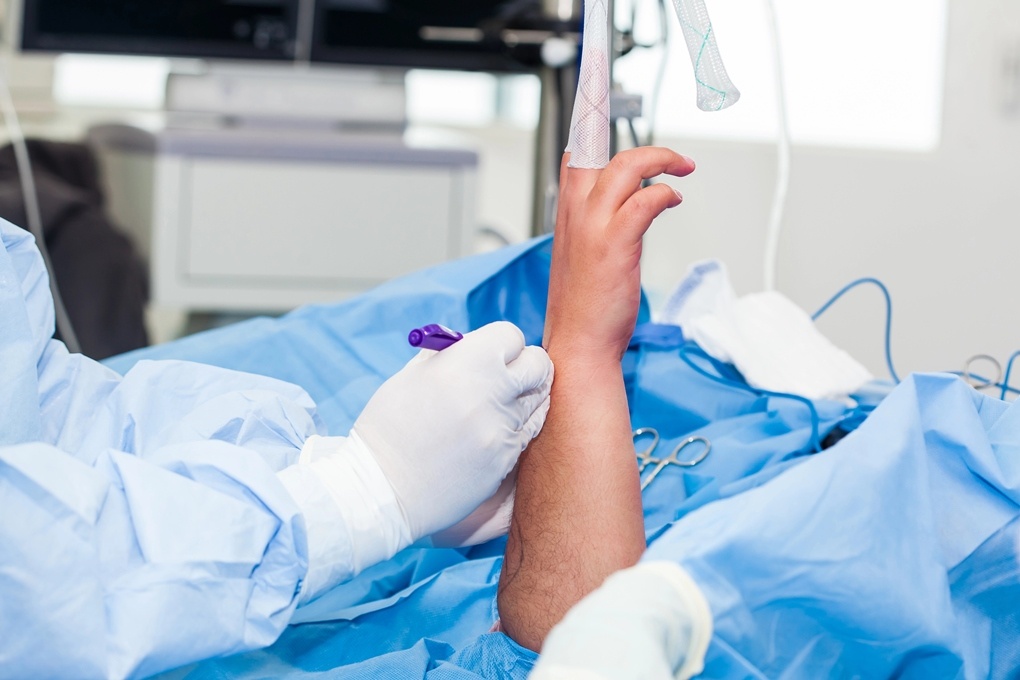
At Asian Institute of Advanced Surgeries, our surgeons perform wrist arthroscopy under regional or general anesthesia to ensure maximum comfort. Initially, the surgeon makes small incisions of approximately 3–5 mm around the wrist joint. After that, the surgeon inserts a tiny arthroscope to visualize the joint structures clearly. Meanwhile, the surgeon introduces specialized micro-instruments through additional small portals to treat the identified problem.
During the procedure, the surgeon can:
Repair torn ligaments
Remove inflamed synovial tissue
Smooth damaged cartilage
Extract loose bone or cartilage fragments
Remove internal ganglion cysts
Furthermore, the surgeon preserves healthy tissue throughout the operation, which promotes faster healing. As a result, patients experience minimal scarring and reduced postoperative discomfort.
In general, the surgeon completes wrist arthroscopy within 30 to 90 minutes, depending on the complexity of the condition. Ultimately, this minimally invasive approach improves precision and safety.
Benefits of Wrist Arthroscopy
Wrist arthroscopy offers numerous advantages over traditional open surgery. Most importantly, surgeons achieve accurate diagnosis and treatment simultaneously. Additionally, patients benefit from:
Smaller incisions
Minimal tissue damage
Reduced blood loss
Lower infection risk
Faster recovery time
Shorter hospital stay
Improved cosmetic results
Moreover, early surgical intervention prevents progressive joint degeneration. Consequently, patients regain mobility and resume normal activities more quickly.
Recovery After Wrist Arthroscopy
Recovery plays a crucial role in achieving optimal long-term outcomes. Immediately after surgery, the medical team monitors the patient closely to ensure stability and comfort. Initially, patients may experience mild swelling and discomfort; however, doctors manage these symptoms effectively with prescribed medications.
Subsequently, the surgeon may recommend wearing a wrist splint for a short period to support healing. Meanwhile, physiotherapy begins gradually to restore mobility and strength. Importantly, patients must follow rehabilitation guidelines consistently to achieve the best results.
Furthermore, early controlled movements prevent stiffness and improve circulation. As a result, healing accelerates and joint flexibility improves steadily. In addition, structured physiotherapy programs help rebuild muscle strength around the wrist joint. Therefore, patients regain functional independence more confidently.
During the first few weeks, patients should avoid heavy lifting or strenuous wrist activities. Nevertheless, most individuals resume light daily activities within a few days. Gradually, as healing progresses, patients increase activity levels under medical supervision.
Moreover, regular follow-up appointments allow the surgeon to monitor progress and address any concerns promptly. Consequently, the risk of complications decreases significantly.
Ultimately, patients who adhere to rehabilitation protocols achieve faster recovery and long-term wrist stability. In most cases, individuals return to sports and physically demanding work within 6–8 weeks, depending on the severity of the initial injury.
Why Choose Asian Institute of Advanced Surgeries for Wrist Arthroscopy?
Choosing the right hospital directly impacts surgical success. At Asian Institute of Advanced Surgeries, our orthopaedic specialists prioritize accuracy, safety, and patient satisfaction.
Firstly, we utilize advanced arthroscopic equipment and high-definition visualization systems. Secondly, our experienced surgeons follow evidence-based treatment protocols. Moreover, our operation theatres meet strict sterilization and safety standards.
In addition, we provide personalized treatment plans tailored to each patient’s condition and lifestyle. Consequently, patients receive targeted care rather than generalized treatment.
Furthermore, our rehabilitation team supports patients throughout recovery, ensuring smooth progress. Ultimately, we combine technology, expertise, and compassionate care to deliver superior outcomes.