
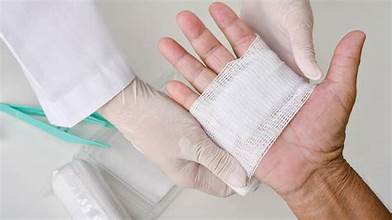
Wound Care Surgery
Understanding Wound Care Surgery
Wound care surgery is performed when injuries or tissue damage require surgical intervention to support proper healing. While many wounds heal naturally with basic medical care, some injuries become complex and fail to close effectively. Therefore, surgical treatment may be necessary to remove damaged tissue, improve the wound environment, and promote recovery.
At Asian Institute Of Advanced Surgeries, wound care procedures are planned after careful evaluation of the wound’s depth, size, and healing pattern. During the consultation, Dr. Siddharth Mendiratta studies the affected area and determines whether surgical management may help restore healthy tissue growth. As a result, the treatment plan is designed to improve wound stability and encourage natural healing.
Furthermore, chronic or non-healing wounds may develop complications if left untreated. Consequently, wound care surgery often focuses on preparing the wound bed so that healing can occur more effectively. With appropriate surgical care and structured follow-up, patients may experience gradual improvement in tissue recovery.
Symptoms or When to Seek Care for Wound Care Surgery
Patients may require wound care surgery when injuries do not heal within the expected time frame. For example, wounds that remain open for several weeks or repeatedly reopen may indicate an underlying problem. Therefore, medical evaluation becomes important when healing slows significantly.
In some cases, wounds may show signs of persistent redness, swelling, or discharge. These symptoms may suggest that the tissue environment is not suitable for natural healing. Consequently, surgical management may help remove unhealthy tissue and promote recovery.
At Asian Institute Of Advanced Surgeries, Dr. Siddharth Mendiratta carefully examines wounds that show delayed healing or structural damage. This evaluation helps determine whether wound care surgery may improve the healing process.
Early consultation is particularly beneficial because untreated wounds may worsen over time. Therefore, patients experiencing persistent or complex wounds should consider professional assessment.
Causes or Risk Factors Leading to Wound Care Surgery
Several factors can lead to wounds that require surgical care. Traumatic injuries caused by accidents or deep cuts may damage tissue layers extensively. As a result, surgical intervention may be required to restore healthy tissue structure.
Burn injuries also represent a common cause of wounds that require specialized management. When burns damage deeper layers of tissue, natural healing may become difficult without surgical support.
In addition, certain medical conditions may influence the body’s ability to heal wounds effectively. For instance, reduced circulation or prolonged pressure on certain areas can slow the healing process. Consequently, these wounds may eventually require surgical care.
At Asian Institute Of Advanced Surgeries, Dr. Siddharth Mendiratta evaluates the underlying cause of the wound before recommending treatment. This careful assessment helps ensure that the surgical plan addresses both the wound and the factors affecting healing.
Diagnostic Evaluation for Wound Care Surgery
A detailed diagnostic evaluation is essential before planning wound care surgery. Initially, the consultation includes a review of the patient’s medical history and the circumstances that led to the wound. Therefore, understanding the origin of the injury helps guide treatment decisions.
Next, a physical examination assesses the wound’s size, depth, and surrounding tissue condition. In some situations, additional diagnostic tests may be recommended to evaluate circulation and tissue health. Consequently, these assessments help determine whether surgical intervention is necessary.
During the evaluation process, Dr. Siddharth Mendiratta carefully studies the wound environment to identify barriers to healing. As a result, the treatment strategy focuses on improving the conditions required for tissue recovery.
At Asian Institute Of Advanced Surgeries, diagnostic planning ensures that each patient receives an individualized treatment approach designed to support effective healing.
Treatment Options for Wound Care Surgery
Wound care surgery may involve several techniques designed to improve the healing process. One common approach involves removing damaged or non-viable tissue so that healthy tissue can regenerate more effectively. This process helps create a clean wound environment that supports healing.
In other situations, surgical procedures may be used to close the wound or reconstruct the damaged area. Consequently, these techniques help restore tissue continuity and protect underlying structures.
At Asian Institute Of Advanced Surgeries, Dr. Siddharth Mendiratta selects treatment options based on the specific characteristics of the wound. This personalized approach ensures that the surgical method aligns with the patient’s healing needs.
Modern surgical techniques also focus on minimizing additional tissue trauma. As a result, patients often experience improved recovery outcomes following wound care surgery.
Benefits of Early Wound Care Surgery
Early surgical treatment can significantly improve the outcome of complex wounds. When wounds receive timely care, damaged tissue can be removed before complications develop. Therefore, early intervention often supports faster and more effective healing.
Another advantage involves reducing the risk of infection. Once the wound environment is improved through surgical care, the body can focus more effectively on tissue repair. Consequently, patients may experience better recovery progress.
At Asian Institute Of Advanced Surgeries, Dr. Siddharth Mendiratta encourages early evaluation for wounds that show signs of delayed healing. This proactive approach allows treatment strategies to be implemented before the condition worsens.
Additionally, early wound care surgery may help preserve surrounding tissues and maintain structural stability in the affected area.
Recovery and Rehabilitation After Wound Care Surgery
Recovery following wound care surgery varies depending on the size and severity of the wound. Initially, patients may experience mild discomfort or swelling as the surgical area begins to heal. However, these symptoms generally improve as tissue recovery progresses.
Post-operative care is essential for ensuring successful healing. Patients receive instructions regarding wound cleaning, dressing changes, and activity adjustments. Therefore, following these guidelines helps protect the surgical site and supports proper healing.
At Asian Institute Of Advanced Surgeries, Dr. Siddharth Mendiratta closely monitors the healing process during follow-up visits. This supervision ensures that the wound continues to heal properly and that any complications are addressed promptly.
As recovery continues, healthy tissue gradually forms and strengthens the treated area. Consequently, patients often notice steady improvement in wound closure and overall comfort.
Preventive Care and Lifestyle Tips
Preventive care plays an important role in reducing the risk of chronic wounds and supporting long-term skin health. Proper wound care practices help protect injured areas from infection and additional damage.
Maintaining good hygiene around the wound is essential for preventing complications. Additionally, protecting the affected area from excessive pressure or friction can help support healing. Therefore, patients should follow recommended care routines carefully.
Balanced nutrition also contributes to tissue repair because the body requires essential nutrients to rebuild damaged tissue. Consequently, maintaining a healthy diet supports faster recovery.
At Asian Institute Of Advanced Surgeries, Dr. Siddharth Mendiratta provides patients with guidance on lifestyle habits that promote wound healing and prevent future complications.
Why Choose Dr. Siddharth Mendiratta at Asian Institute Of Advanced Surgeries
Choosing the right specialist is an important step when managing complex wounds that require surgical care. Successful outcomes depend on accurate diagnosis, precise surgical technique, and attentive follow-up care.
At Asian Institute Of Advanced Surgeries, Dr. Siddharth Mendiratta focuses on individualized treatment planning for each patient. Every wound presents unique challenges, and the treatment approach is tailored accordingly.
The institute also provides a structured clinical environment designed to support safe surgical procedures and detailed monitoring during recovery. As a result, patients receive comprehensive care throughout the treatment process.
This coordinated approach allows patients to understand their treatment plan clearly while receiving specialized wound care.
Conclusion – Wound Care Surgery
Wound care surgery plays a crucial role in managing complex wounds that cannot heal through standard treatment methods. By addressing damaged tissue and improving the wound environment, surgical care helps support effective healing and tissue recovery.
At Asian Institute Of Advanced Surgeries, Dr. Siddharth Mendiratta provides careful evaluation and personalized surgical planning for patients experiencing difficult or chronic wounds. Through structured treatment and attentive follow-up care, many individuals experience improved healing and restored tissue stability.
Seeking professional evaluation when wounds show delayed healing can help prevent complications and support better long-term recovery.
FAQs – Wound Care Surgery
1. What is wound care surgery?
Wound care surgery involves surgical procedures designed to remove damaged tissue and promote healing in complex or non-healing wounds.
2. When is wound care surgery recommended?
It is recommended when wounds fail to heal naturally, remain open for extended periods, or show signs of complications.
3. Can surgery help chronic wounds heal faster?
Yes, surgical treatment can improve the wound environment and encourage the body’s natural healing process.
4. How long does recovery take after wound care surgery?
Recovery time depends on the size and severity of the wound, although gradual improvement usually occurs with proper care.
5. Where can patients seek treatment for complex wounds?
Patients can consult Dr. Siddharth Mendiratta at Asian Institute Of Advanced Surgeries for evaluation and treatment planning.
Book an Appointment with Dr. Siddharth Mendiratta
Patients experiencing structural changes due to injury, medical conditions, or previous surgeries may consider scheduling a consultation. An early evaluation helps determine whether reconstructive plastic surgery may provide functional or structural improvement.
During the appointment at Asian Institute Of Advanced Surgeries, Dr. Siddharth Mendiratta reviews the patient’s concerns and performs a detailed clinical assessment. Therefore, the consultation provides a clear understanding of the available treatment options.
In addition, patients have the opportunity to discuss recovery expectations and surgical planning. Consequently, this discussion allows individuals to make informed decisions about their healthcare.
Scheduling an appointment ensures that patients receive professional guidance and a structured treatment plan designed specifically for their condition.