Asian Institute Of Advanced Surgeries

Ulcer Treatment specialist In Nagpur
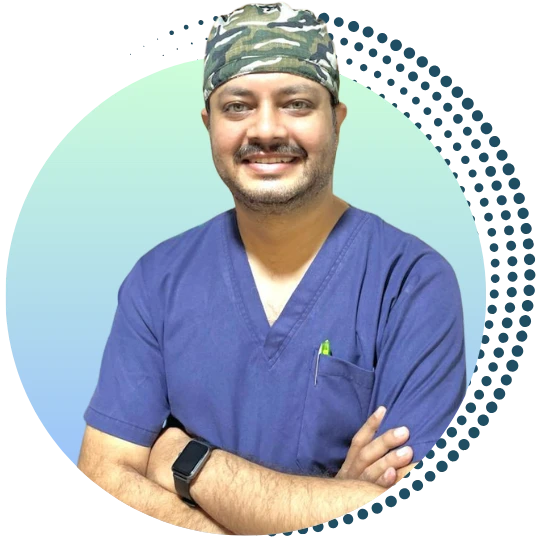
Welcome to the world of aesthetic transformation led by Dr. Siddharth Mendiratta. With a profound passion for the art and science of plastic surgery, Dr Siddharth Mendiratta is dedicated to helping individuals achieve their unique vision of beauty and confidence.

Ulcer Treatment specialist In Nagpur care at Asian Institute of Advanced Surgeries (AIAS) is designed for people dealing with ulcers that are slow to heal, keep coming back, or have become difficult to manage. Ulcers can develop for different reasons, including diabetes, poor blood flow, prolonged pressure, infection, or an injury. Because every ulcer is different, the right treatment starts with a proper examination. Dr. Siddharth Mendiratta checks the ulcer, the surrounding skin, the depth of the wound, and any signs of infection before suggesting treatment. Depending on the condition, care may include wound cleaning, dressings, removal of unhealthy tissue, infection management, skin grafting, or reconstructive surgery. The team takes a practical, personalized approach and adjusts treatment according to how the ulcer responds over time.
What Is an Ulcer?
When Should You See an Ulcer Treatment Specialist?
You should consider seeing a specialist if an ulcer does not improve, becomes larger, keeps reopening, or causes ongoing discomfort. Getting the wound checked early can help prevent it from becoming more complicated.
An ulcer specialist can evaluate conditions such as:
• Diabetic foot ulcers
• Chronic leg ulcers
• Pressure ulcers
• Non-healing ulcers
• Infected ulcers
• Deep or large ulcers
• Ulcers with tissue loss
• Recurrent ulcers
• Injury-related ulcers
• Complex wounds
If you notice increasing redness, swelling, pain, discharge, or other changes around an ulcer, seek medical attention without delay.
How Is an Ulcer Evaluated?
Dr. Siddharth Mendiratta starts by examining the ulcer closely. He looks at its size, depth, location, and overall appearance. He also checks the surrounding skin and tissue for signs of infection or damage.
Next, he considers factors that could be slowing the healing process. These may include diabetes, circulation problems, repeated pressure, infection, previous treatment, or other health-related factors.
After the examination, he explains the condition and discusses suitable treatment options. This helps patients understand what is happening and what they can expect from their care.
Treatment for Non-Healing Ulcers By Ulcer Treatment Specialist In Nagpur
A non-healing ulcer may need more than regular dressing changes. The first step involves finding out why the wound has not improved. Once the underlying factors become clearer, the doctor can plan treatment accordingly.
Treatment may include cleaning the wound, using appropriate dressings, managing infection, or removing unhealthy tissue when needed. If the ulcer has resulted in significant tissue loss, Dr. Siddharth Mendiratta may also consider reconstructive options such as skin grafting or flap surgery.
The treatment plan can change as the wound heals. Therefore, regular follow-up helps the doctor monitor progress and make adjustments when necessary.
Understanding Ulcers With Ulcer Treatment Specialist In Nagpur
An ulcer is an open wound that does not heal as expected. It can develop when the skin and underlying tissue become damaged and fail to repair themselves properly. Ulcers commonly affect the feet and legs, although they can appear on other areas of the body as well.
Some ulcers remain small and improve with appropriate care. However, others can become deeper or develop infection. Diabetes, poor blood circulation, repeated pressure, prolonged immobility, injury, and infection can all affect the healing process.
Because the cause matters, ulcer treatment should not focus only on the visible wound. A specialist needs to assess the ulcer and look for factors that may be preventing proper healing.
Common Types of Ulcers By Ulcer Treatment Specialist In Nagpur
Ulcers can develop for several reasons. Identifying the type helps the doctor choose the right treatment.
1.Diabetic Foot Ulcers
Diabetes can reduce sensation and affect blood flow in the feet. As a result, small cuts or blisters may go unnoticed and develop into ulcers. Dr. Siddharth Mendiratta evaluates the wound and recommends care based on its condition.
2.Pressure Ulcers
Pressure ulcers can develop when constant pressure affects areas such as the heels, hips, or back. Treatment focuses on protecting the area, caring for the wound, and reducing continued pressure.
3.Chronic Leg Ulcers
Poor circulation, swelling, infection, and tissue damage can make leg ulcers slow to heal. A specialist can identify the cause and recommend suitable treatment.
4.Traumatic Ulcers
Injuries can damage the skin and deeper tissues, sometimes causing significant tissue loss. Treatment may include wound care, removal of damaged tissue, or reconstructive procedures when needed.
Signs That an Ulcer Needs Medical Attention
Not every ulcer looks the same. However, certain changes can indicate that the wound needs professional evaluation.
You should seek medical attention if you notice:
• An ulcer that does not improve
• Increasing wound size
• Persistent pain or discomfort
• Redness around the wound
• Swelling near the ulcer
• Fluid or discharge
• Unpleasant smell
• Dark or unhealthy-looking tissue
• Repeated reopening of the wound
• Exposed deeper tissue
If the wound changes quickly or you notice signs of infection, seek medical care promptly.
Why Do Some Ulcers Heal Slowly?
Several factors can interfere with normal wound healing. Diabetes can affect sensation and circulation. Poor blood flow can reduce the supply of oxygen and nutrients needed by healing tissue. Infection can also damage tissue and delay recovery.
Repeated pressure or friction can keep reopening the wound. In addition, large wounds may lose too much tissue to close naturally.
Therefore, treating a slow-healing ulcer requires more than simply covering the wound. The doctor needs to identify the factors affecting healing and address them as part of the overall treatment plan.
Ulcer Evaluation at AIAS By Ulcer Treatment Specialist In Nagpur
At Asian Institute of Advanced Surgeries, Dr. Siddharth Mendiratta begins with a detailed examination of the ulcer. He looks at the wound’s size, depth, location, appearance, and surrounding tissue.
He also considers the patient’s medical history and factors that may affect healing. Depending on the situation, the doctor may recommend further assessment to understand the wound more clearly.
After the evaluation, Dr. Siddharth Mendiratta explains the condition in simple terms. He then discusses suitable treatment options and helps the patient understand the expected healing process.
Ulcer Treatment Options Treated By Ulcer Treatment Specialist In Nagpur
1.Wound Cleaning & Dressings
Proper cleaning and suitable dressings help protect the wound and support healing. The doctor may adjust the dressing plan as the ulcer improves.
2.Debridement
If an ulcer contains dead or unhealthy tissue, Dr. Siddharth Mendiratta may recommend debridement. This removes damaged tissue and prepares the wound for further care.
3.Infection Management
If an ulcer becomes infected, timely treatment can help control the infection and protect nearby tissue. The doctor selects treatment according to the wound’s condition.
4.Skin Grafting
When an ulcer leaves an area that cannot close naturally, a skin graft may provide suitable coverage. The doctor first checks whether the wound is ready for grafting.
5.Flap Reconstruction
Deep ulcers with significant tissue loss may require flap reconstruction. This procedure uses healthy tissue to cover the affected area and restore tissue coverage when simpler options are not suitable.
Recovery and Follow-Up By Ulcer Treatment Specialist In Nagpur
Ulcer treatment does not end when the wound procedure finishes. The healing period also requires attention and follow-up.
During follow-up visits, the doctor can assess how the wound is progressing and identify any new concerns. Patients should follow the wound-care instructions provided by their medical team and protect the affected area from unnecessary pressure or injury.
The recovery period varies from patient to patient. Wound size, depth, infection, tissue condition, circulation, and overall health can all influence healing time.
Why Choose Dr.Siddharth Mendiratta For an Ulcer Treatment Specialist In Nagpur?
When an ulcer becomes difficult to manage, specialist care can provide a more detailed assessment. Instead of focusing only on the wound’s surface, the doctor can look for factors that may be delaying healing.
At Asian Institute of Advanced Surgeries, Dr. Siddharth Mendiratta provides personalized plastic and reconstructive care for selected complex wound conditions. He carefully evaluates each patient and discusses treatment options according to the wound’s condition.
Most importantly, the team considers both wound healing and tissue restoration when planning reconstructive treatment.
Frequently Asked Questions (FAQ) For Ulcer Treatment Specialist In Nagpur
1. What is an ulcer?
An ulcer is an open wound that does not heal normally. It can develop because of diabetes, pressure, poor circulation, infection, injury, or other factors.
2. Which doctor treats ulcers?
The right specialist depends on the type and cause of the ulcer. Complex ulcers and wounds with tissue loss may require evaluation by a specialist with wound and reconstructive surgery experience.
3. Can a diabetic foot ulcer heal?
Yes, many diabetic foot ulcers can improve with appropriate care. However, diabetes can slow healing, so timely medical evaluation remains important.
4. When should I see an ulcer treatment specialist?
You should seek specialist care when an ulcer does not improve, becomes larger, repeatedly opens, causes increasing discomfort, or develops signs of infection.
5. Can an infected ulcer be treated?
Yes. The doctor can assess the wound and recommend appropriate treatment for the infection and the underlying wound condition.