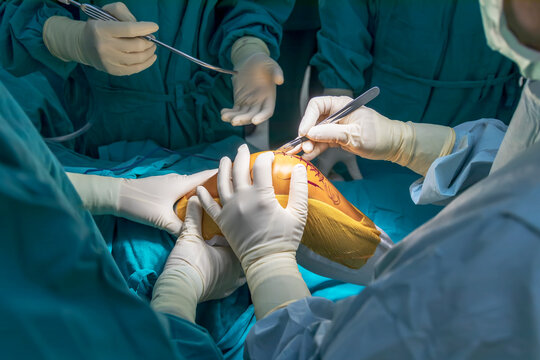
Persistent knee pain can make walking, climbing stairs, exercising, and daily activities increasingly difficult. Moreover, some patients develop arthritis mainly in one compartment of the knee rather than throughout the entire joint. Therefore, TUKSplasty Knee Surgery In Nagpur can offer a targeted knee replacement option for carefully selected patients with localized joint damage. TUKSplasty refers to a unicompartmental knee replacement approach that focuses on the affected compartment while preserving suitable healthy knee structures. In addition, an orthopedic specialist can assess your symptoms, imaging, alignment, ligament stability, and activity goals before recommending this procedure. As a result, personalized evaluation helps determine whether TUKSplasty suits your knee.
What Is TUKSplasty Knee Surgery?
The TUKSplasty is a specialized form of partial or unicompartmental knee replacement. Moreover, the procedure focuses on the compartment affected by arthritis instead of replacing the entire knee. Therefore, surgeons can preserve suitable healthy bone, cartilage, and ligaments when the patient’s condition allows it. In addition, the TUKS implant platform emphasizes bone conservation, anatomical design, and knee stability. However, TUKSplasty does not suit every patient with knee arthritis. As a result, your orthopedic surgeon should evaluate the complete condition of your knee before recommending this treatment.
Why Consider TUKSplasty?
TUKSplasty can provide a targeted approach when arthritis affects only one compartment of the knee. Moreover, treating the damaged area can preserve suitable portions of the natural knee. Therefore, selected patients may experience pain relief and improved functional movement after appropriate surgery and rehabilitation. In addition, the procedure can support bone preservation compared with replacing the entire knee. However, individual results depend on factors such as knee condition, surgical planning, rehabilitation, and overall health. As a result, your surgeon should explain the potential benefits and limitations during your consultation.
Who May Benefit From TUKSplasty?
A TUKSplasty may suit patients who have arthritis or degeneration limited mainly to one knee compartment. Moreover, doctors consider several factors before recommending partial knee replacement. Therefore, your evaluation may include:
- Location of knee arthritis
- Severity of joint damage
- Condition of the remaining cartilage
- Ligament stability
- Knee alignment
- Pain and stiffness
- Walking limitations
- Previous treatment response
- Activity requirements
- Overall health
In addition, your surgeon may use clinical examination and appropriate imaging to assess the joint. As a result, careful patient selection helps determine whether TUKSplasty represents a suitable option.
Conditions That May Require TUKSplasty Evaluation
Localized knee arthritis can affect a specific compartment while leaving other parts of the joint relatively healthy. Moreover, this pattern can create pain, stiffness, and difficulty with movement. Therefore, an orthopedic specialist may evaluate TUKSplasty as an option for selected patients with:
- Localized knee osteoarthritis
- Single-compartment cartilage degeneration
- Persistent knee pain
- Activity-related knee discomfort
- Knee stiffness
- Reduced walking ability
- Difficulty climbing stairs
- Localized joint degeneration
However, these symptoms can occur with several knee conditions. As a result, a detailed diagnosis remains essential before choosing any replacement procedure.
Symptoms That Should Encourage A Knee Evaluation
Knee arthritis can gradually affect your quality of life. Moreover, pain may become more noticeable during walking, standing, squatting, or climbing stairs. Therefore, consider an orthopedic consultation if you experience:
- Persistent knee pain
- Knee stiffness
- Swelling
- Difficulty walking
- Reduced range of motion
- Pain while climbing stairs
- Difficulty standing for long periods
- Reduced activity tolerance
- Pain during everyday movements
- Symptoms that continue despite conservative treatment
In addition, early evaluation can help your doctor identify the cause of your symptoms. As a result, you can understand whether non-surgical care, partial replacement, or another treatment may suit your condition.
How Doctors Diagnose Candidates For TUKSplasty
An orthopedic specialist starts with your symptoms, medical history, previous treatments, and activity level. Moreover, the doctor examines knee movement, stability, alignment, and tenderness. Therefore, weight-bearing X-rays and other imaging can help identify the location and severity of arthritis. In addition, your surgeon may recommend further investigations when necessary. However, imaging alone cannot determine whether TUKSplasty suits every patient. As a result, your surgeon combines clinical findings, imaging, ligament condition, and functional goals before recommending treatment.
TUKSplasty And Total Knee Replacement
TUKSplasty focuses on a damaged compartment, while total knee replacement addresses more extensive damage across the knee. Moreover, the choice depends on the location and severity of arthritis and the condition of the remaining joint structures. Therefore, TUKSplasty may suit carefully selected patients with localized disease. In addition, total knee replacement may offer a better option when arthritis affects multiple compartments. However, neither procedure automatically provides the right solution for every patient. As a result, your orthopedic specialist should recommend the procedure after a complete knee assessment.
Book An Appointment For TUKSplasty Knee Surgery In Nagpur
Persistent knee pain can limit your independence and reduce your ability to enjoy everyday activities. Moreover, localized arthritis may require a different approach from widespread knee damage. Therefore, if you are considering TUKSplasty Knee Surgery In Nagpur, schedule a consultation with a qualified orthopedic specialist for a detailed evaluation. In addition, bring your previous X-rays, MRI reports, prescriptions, and medical records when available. However, your surgeon should confirm whether TUKSplasty suits your knee before recommending the procedure. As a result, personalized evaluation can help you understand your treatment options and recovery expectations.
Frequently Asked Questions (FAQ)
TUKSplasty knee surgery in Nagpur
TUKSplasty knee surgery in Nagpur