
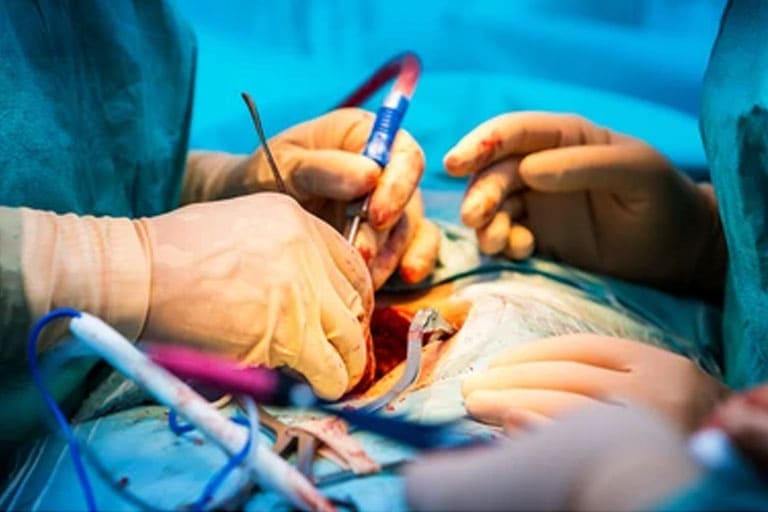
Trauma Surgery at Asian Institute of Advanced Surgeries
What Is Trauma Surgery?
Trauma surgery focuses on treating severe injuries caused by road traffic accidents, falls, sports injuries, industrial incidents, and other high-impact events. In particular, trauma surgeons manage life-threatening conditions involving bones, joints, muscles, internal organs, and blood vessels. Therefore, they combine surgical skill with rapid decision-making to control bleeding, repair fractures, and protect vital organs.
Advanced Emergency Response System
When trauma occurs, every minute counts. Therefore, our emergency department activates a structured trauma protocol immediately. Upon arrival, the trauma team evaluates airway, breathing, and circulation without hesitation. Simultaneously, we initiate resuscitation measures, perform imaging studies, and identify internal injuries.
Furthermore, we use advanced diagnostic tools such as digital X-rays, CT scans, and MRI imaging to detect hidden injuries quickly. By doing so, we create an accurate surgical plan. Consequently, we reduce surgical delays and improve survival rates.
Types of Trauma We Treat
At the Asian Institute of Advanced Surgeries, we treat a wide spectrum of traumatic injuries. Firstly, we manage complex fractures, including long-bone fractures of the femur, tibia, humerus, and forearm. Secondly, we treat pelvic fractures and acetabular injuries that require precise surgical fixation. Additionally, we address joint dislocations, ligament tears, and tendon ruptures.
Moreover, our trauma team handles polytrauma cases where multiple injuries affect different body systems. In such situations, we prioritize life-saving interventions before performing reconstructive procedures. As a result, we stabilize patients effectively and reduce complications.
Other trauma services include:
Open fractures and compound injuries
Crush injuries and soft tissue damage
Spinal trauma and vertebral fractures
Head injuries requiring surgical coordination
Vascular injuries requiring urgent repair
Request a Callback
Trauma Surgery Procedures We Perform
Our trauma surgeons actively perform a wide range of surgical procedures to restore stability and function.
1. Fracture Fixation Surgery
Surgeons stabilize broken bones using plates, screws, rods, or external fixators. As a result, patients regain alignment and structural support. Moreover, early fixation allows faster mobilization.
2. External Fixation for Severe Injuries
In high-impact trauma, surgeons apply external frames to stabilize fractures temporarily. Meanwhile, they monitor soft tissue healing before performing definitive surgery.
3. Minimally Invasive Trauma Surgery
Whenever possible, surgeons use minimally invasive techniques. Consequently, patients experience smaller incisions, reduced blood loss, and faster recovery.
4. Soft Tissue Reconstruction
Surgeons repair damaged muscles, ligaments, and tendons to restore movement. Furthermore, they collaborate with plastic surgeons for complex wound management.
5. Spine Stabilization Surgery
In cases of spinal fractures, surgeons stabilize the spine using screws and rods. Therefore, they protect the spinal cord and prevent neurological damage.
Benefits of Early Trauma Surgery
Comprehensive Post-Trauma Rehabilitation
Trauma recovery does not end after surgery. Instead, our multidisciplinary team designs a structured rehabilitation program for each patient. Initially, physiotherapists focus on pain control and joint mobility. Gradually, they introduce strengthening exercises and balance training.
Furthermore, rehabilitation specialists monitor progress closely. As a result, patients rebuild strength safely and regain independence confidently.
Why Choose Asian Institute of Advanced Surgeries for Trauma Surgery?
Patients choose the Asian Institute of Advanced Surgeries because we combine expertise, technology, and compassionate care.
Experienced trauma surgeons with advanced training
Modern operation theatres with advanced equipment
24/7 emergency response team
Advanced imaging and diagnostic support
Personalized rehabilitation programs
Moreover, we prioritize patient safety at every stage. Therefore, we follow strict sterilization protocols and evidence-based surgical standards.
Advanced Infrastructure and Technology
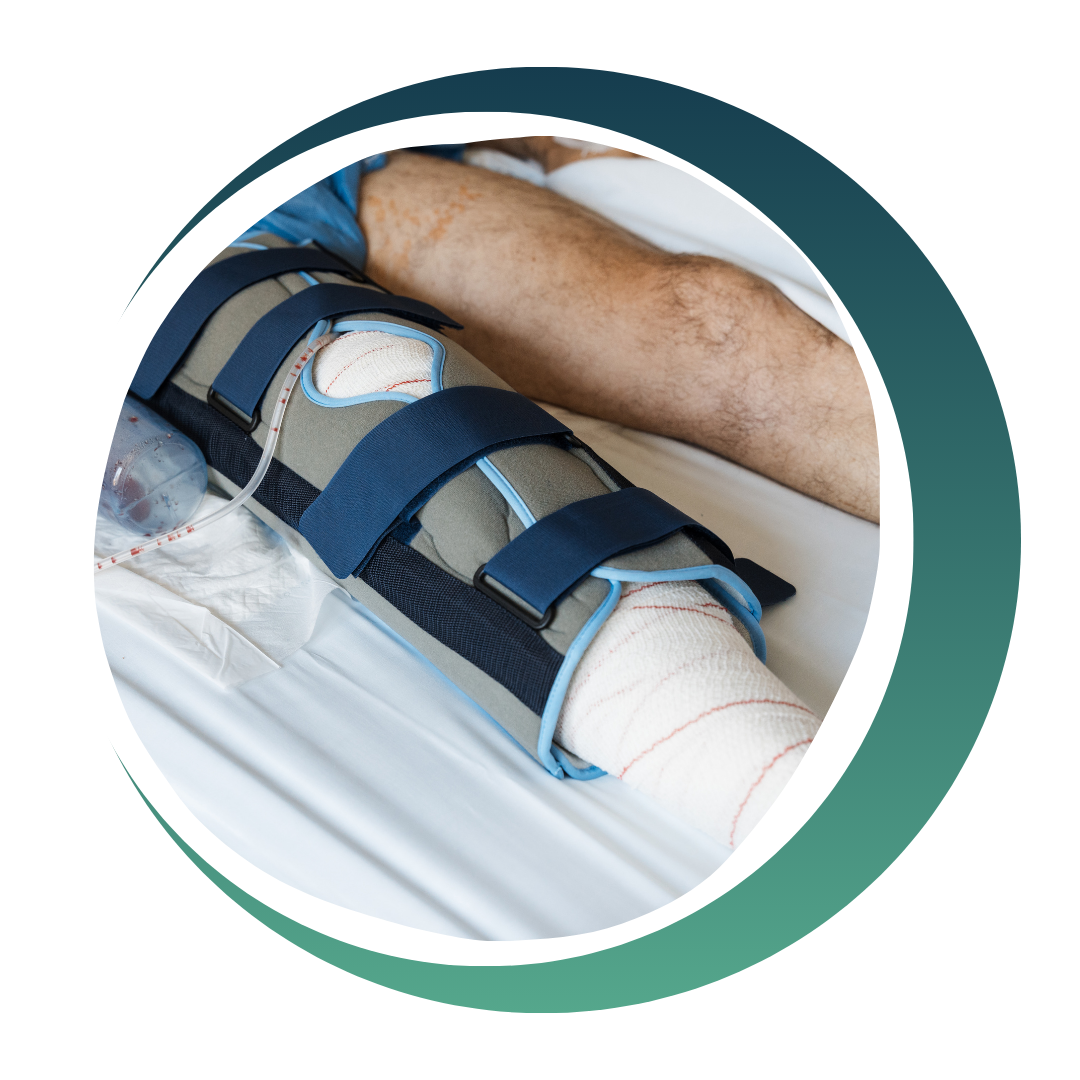
Patient-Centered Approach
We understand that trauma creates physical pain and emotional stress. Therefore, our team communicates clearly with patients and families. In addition, we explain treatment plans thoroughly and address concerns promptly.
Furthermore, we encourage family involvement during recovery. As a result, patients feel supported and motivated throughout rehabilitation.