Asian Institute Of Advanced Surgeries

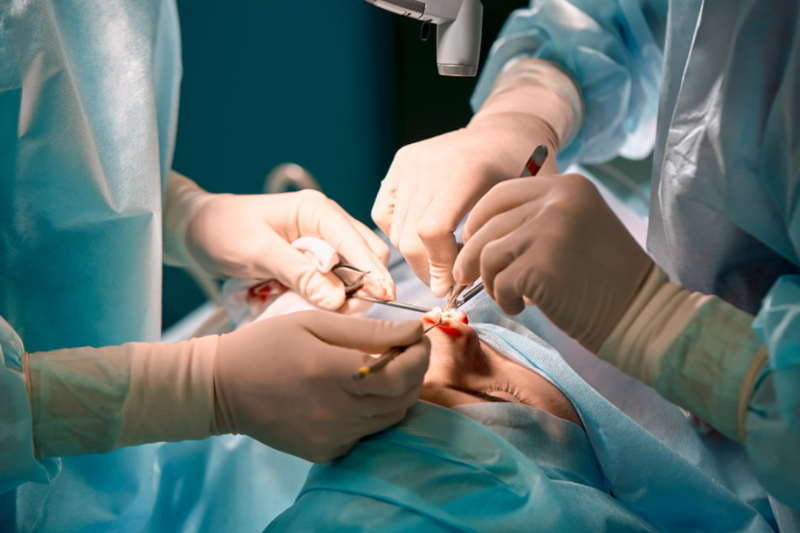
Trauma Reconstruction Surgery at Asian Institute of Advanced Surgeries
What is Trauma Reconstruction?
Trauma reconstruction refers to advanced surgical procedures that restore bones, joints, soft tissues, and surrounding structures after severe injury. Unlike simple fracture fixation, trauma reconstruction focuses on rebuilding anatomical structure and functional stability.
Firstly, trauma may cause complex fractures involving multiple bone fragments. Secondly, high-impact injuries may damage ligaments, tendons, blood vessels, and nerves. Furthermore, open fractures may expose bone and soft tissue, increasing infection risk. Therefore, trauma reconstruction surgery aims to repair all affected structures in a coordinated manner.
At Asian Institute of Advanced Surgeries, our surgeons carefully assess each injury and create a comprehensive reconstruction plan. Through this structured approach, we restore proper alignment, joint movement, and limb strength.
Common Conditions Requiring Trauma Reconstruction
Our trauma reconstruction specialists treat a wide range of complex injuries, including:
Complex fractures (pelvis, femur, tibia, humerus)
Multiple fractures from road traffic accidents
Open fractures with soft tissue damage
Joint fracture-dislocations
Post-traumatic deformities
Non-union and malunion fractures
Bone loss and segmental defects
Crush injuries
Ligament and tendon injuries associated with fractures
Moreover, our team manages both emergency trauma cases and delayed reconstruction cases. As a result, we help patients even when previous treatment has failed or complications have developed.
Advanced Trauma Reconstruction Techniques
At Asian Institute of Advanced Surgeries, we utilize modern surgical technology and evidence-based protocols. Importantly, our surgeons actively apply advanced reconstruction methods rather than relying solely on traditional fixation techniques.
1. Internal Fixation with Plates and Screws
Surgeons stabilize fractures using anatomically contoured plates and locking screw systems. Consequently, bones heal in proper alignment and maintain stability during recovery.
2. Intramedullary Nailing
For long bone fractures, surgeons insert metal rods inside the bone canal. Therefore, patients regain early mobility while maintaining structural stability.
3. External Fixation
In severe or open fractures, surgeons apply external fixation systems temporarily or permanently. Meanwhile, they manage soft tissue healing and infection control.
4. Bone Grafting and Bone Transport
When trauma causes bone loss, surgeons perform bone grafting procedures to restore structural integrity. Furthermore, they use advanced bone transport techniques to regenerate missing bone segments.
5. Soft Tissue Reconstruction
Surgeons repair torn ligaments, tendons, and muscles during the same procedure. In addition, plastic and reconstructive specialists collaborate for skin and tissue coverage when necessary.
6. Joint Reconstruction
When trauma severely damages joints, surgeons reconstruct or replace joint components to restore function and mobility.
Request a Callback
Why Early Trauma Reconstruction Matters
Early and accurate reconstruction significantly improves treatment outcomes. To begin with, timely surgical intervention prevents bone deformity and structural imbalance. Secondly, proper anatomical alignment promotes faster and stronger bone healing. Moreover, early soft tissue repair reduces the risk of infection while simultaneously preserving nerve and vascular function. In addition, prompt management supports better joint mobility and long-term stability.
On the other hand, if patients delay treatment, the risk of serious complications increases considerably. Over time, untreated injuries may lead to the following conditions:
Chronic pain
Limb deformity
Restricted movement
Joint stiffness
Delayed bone healing
Non-union fractures
Post-traumatic arthritis
Furthermore, these complications can significantly affect daily activities and overall quality of life. Consequently, delayed intervention often requires more complex corrective procedures in the future.
Therefore, we strongly encourage immediate medical evaluation after any severe trauma. Ultimately, early diagnosis and expert reconstruction ensure better healing, improved mobility, and long-term functional recovery.
Step-by-Step Trauma Reconstruction Process
At Asian Institute of Advanced Surgeries, we follow a structured and systematic treatment pathway:
1. Emergency Assessment
Firstly, our trauma team stabilizes the patient. We assess vital signs, control bleeding, and perform imaging studies such as X-rays and CT scans.
2. Comprehensive Diagnosis
Next, orthopaedic surgeons analyze fracture patterns, soft tissue injury, and joint involvement. Consequently, they design a personalized surgical plan.
3. Surgical Planning
Surgeons carefully select fixation methods, implants, and reconstruction techniques. Meanwhile, anesthesiologists prepare patients for safe surgery.
4. Trauma Reconstruction Surgery
During surgery, surgeons restore anatomical alignment, stabilize fractures, repair soft tissues, and ensure proper joint positioning.
5. Postoperative Monitoring
After surgery, our team closely monitors wound healing, infection signs, and neurovascular status.
6. Rehabilitation and Physiotherapy
Finally, physiotherapists initiate early mobilization programs to restore strength and flexibility.
Benefits of Trauma Reconstruction at Asian Institute of Advanced Surgeries
By choosing our hospital, patients receive:
Advanced surgical expertise
Modern operation theatres
High-quality implants
Multidisciplinary trauma care
Structured rehabilitation programs
Personalized follow-up care
Moreover, our approach minimizes complications and promotes long-term recovery. As a result, patients regain independence sooner.

Trauma Reconstruction vs Traditional Fracture Treatment
Below is a clear comparison to help patients understand the difference:
| Feature | Traditional Fracture Fixation | Advanced Trauma Reconstruction |
|---|---|---|
| Treatment Focus | Bone stabilization only | Bone + soft tissue + joint restoration |
| Alignment Precision | Basic alignment | Anatomical reconstruction |
| Soft Tissue Repair | Limited | Comprehensive repair |
| Mobility Recovery | Slower | Faster with structured rehab |
| Long-Term Outcomes | May lead to deformity | Improved functional recovery |
| Complication Risk | Moderate | Reduced with advanced planning |
Rehabilitation After Trauma Reconstruction
Recovery plays a crucial role in achieving optimal results. Therefore, we design individualized physiotherapy plans for each patient.
Firstly, physiotherapists begin gentle range-of-motion exercises. Secondly, they introduce muscle strengthening routines. Furthermore, they monitor joint flexibility and balance. Consequently, patients regain functional independence.
Importantly, we encourage patients to actively participate in rehabilitation. Through consistent therapy sessions, they achieve faster healing and better outcomes.
Who Needs Trauma Reconstruction?
You should consult our trauma specialists if you experience:
Severe fractures after accidents
Multiple bone injuries
Open fractures
Joint dislocations with fractures
Persistent pain after fracture treatment
Deformity or improper healing
Moreover, patients who previously underwent unsuccessful fracture treatment can seek corrective reconstruction surgery at our hospital.
Why Choose Asian Institute of Advanced Surgeries?
At Asian Institute of Advanced Surgeries, we combine surgical excellence with compassionate, patient-centered care. Above all, we focus on delivering advanced trauma reconstruction solutions that restore both function and confidence. Moreover, our integrated approach ensures that every patient receives personalized attention from diagnosis to rehabilitation.
Our trauma reconstruction unit features:
Experienced orthopaedic trauma surgeons who manage complex and high-risk cases with precision
Advanced imaging technology that supports accurate diagnosis and surgical planning
Modular operation theatres equipped with modern surgical systems
Dedicated ICU support to manage critical trauma patients safely
A comprehensive rehabilitation department that accelerates recovery and restores mobility
In addition, we continuously update our surgical protocols in line with the latest medical advancements. Furthermore, our multidisciplinary team collaborates closely to create customized treatment plans for every patient. As a result, we achieve better surgical outcomes and reduce postoperative complications.
Equally important, we prioritize patient education and informed decision-making. Therefore, we clearly explain the diagnosis, available treatment options, surgical procedures, and recovery timelines. Consequently, patients gain confidence, understand their recovery journey, and actively participate in their rehabilitation process.
Long-Term Outcomes and Quality of Life
Ultimately, trauma reconstruction surgery aims to restore not only damaged bones but also overall confidence and independence. More importantly, our specialists focus on rebuilding proper anatomical alignment and joint stability to ensure long-lasting functional recovery.
By reconstructing anatomy precisely and encouraging early, structured rehabilitation, we help patients gradually return to work, sports, and daily life activities. Meanwhile, our physiotherapy team closely monitors strength, flexibility, and balance improvement. Through consistent guidance, patients regain mobility safely and efficiently.
Moreover, early and accurate reconstruction significantly reduces the risk of chronic complications, joint stiffness, deformity, and post-traumatic arthritis. In fact, timely surgical intervention plays a crucial role in preventing long-term disability. As a result, patients experience improved mobility, enhanced physical performance, and better overall joint health.
In conclusion, our comprehensive trauma reconstruction program not only repairs injuries but also supports complete functional restoration. Therefore, patients who choose Asian Institute of Advanced Surgeries benefit from advanced surgical expertise, structured rehabilitation, and long-term quality-of-life improvement.