Asian Institute Of Advanced Surgeries


Expert Trauma & Fracture Care by Dr. Abhishek Bhalotia
Understanding Trauma & Fracture
Advanced Diagnostic Evaluation
Accurate diagnosis is the foundation of effective trauma care. Therefore, Dr. Bhalotia uses modern diagnostic tools such as:
Digital X-rays
CT scans
MRI scans
Ultrasound (when required)
These imaging techniques help assess the severity of the fracture, detect associated soft tissue injuries, and plan precise treatment strategies. In emergency trauma cases, rapid evaluation ensures timely surgical or non-surgical intervention.
Types of Fractures Treated
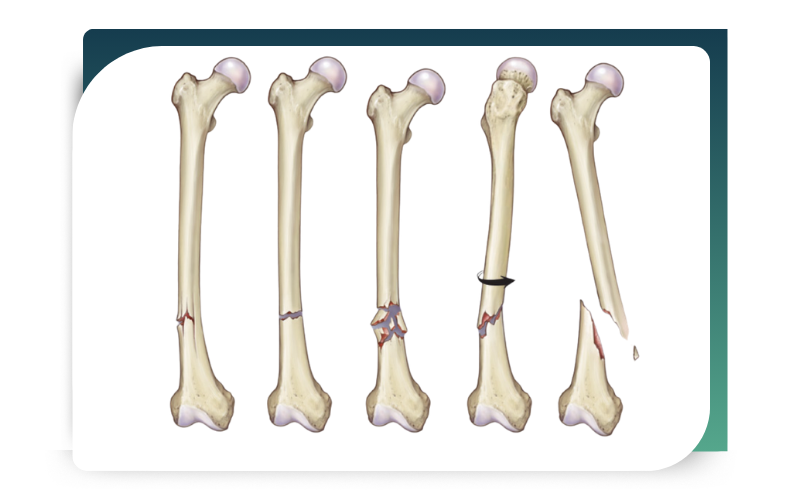
Dr. Abhishek Bhalotia specializes in managing a wide range of fractures and traumatic injuries. With extensive clinical experience and advanced orthopedic expertise, he provides comprehensive care for both minor and complex injury cases. In particular, his areas of specialization include:
Simple and complex fractures, which require precise assessment and stabilization
Open (compound) fractures, where immediate and careful surgical intervention becomes essential
Comminuted fractures, involving multiple bone fragments that demand advanced fixation techniques
Stress fractures, often seen in athletes and physically active individuals
Joint dislocations, which require prompt reduction and structured rehabilitation
Pelvic fractures, typically associated with high-impact trauma
Spine trauma, where careful evaluation ensures neurological safety
Hip fractures, especially common in elderly patients
Wrist and ankle fractures, which significantly affect daily mobility
Sports-related bone injuries, resulting from repetitive strain or sudden impact
Furthermore, each case undergoes a thorough and detailed evaluation before initiating treatment. During this process, Dr. Bhalotia carefully considers the patient’s age, activity level, lifestyle demands, and overall health condition. As a result, he determines the most effective, safe, and personalized treatment plan for optimal recovery.
Ultimately, this individualized and evidence-based approach not only promotes faster healing but also restores strength, stability, and long-term function.
Request a Callback
Non-Surgical Fracture Management
Not all fractures require surgical intervention. In fact, many stable fractures heal successfully with well-planned conservative treatment methods. In such cases, non-surgical management offers a safe and effective pathway to recovery. Typically, these non-operative options include:
Cast and splint immobilization, which stabilizes the fracture and protects the injured bone during healing
Functional bracing, allowing controlled movement while maintaining proper alignment
Closed reduction techniques, where the bone is carefully realigned without surgery
Pain management medications, prescribed to control discomfort and inflammation
Physiotherapy support, designed to gradually restore strength and mobility
Moreover, Dr. Abhishek Bhalotia carefully monitors the healing progress through regular follow-up visits. During these appointments, he evaluates clinical recovery and, when necessary, reviews imaging studies to confirm proper bone alignment. As a result, he ensures that the fracture heals correctly and without displacement.
Consequently, this structured and closely supervised approach minimizes potential complications. At the same time, it promotes natural bone healing and supports a smooth return to normal activities. Ultimately, personalized conservative care allows patients to recover safely while avoiding unnecessary surgical procedures.
Surgical Fracture Treatment
In certain situations, particularly when fractures are displaced, unstable, or involve joint surfaces, surgical intervention becomes necessary. In such cases, timely and precise surgical management plays a critical role in preventing long-term complications. Therefore, the primary goal of surgery is to accurately realign and stabilize the bones to promote optimal healing and restore proper function.
Typically, common surgical treatment options include:
Open Reduction and Internal Fixation (ORIF), where the surgeon repositions the bone fragments and secures them using specialized implants
Intramedullary nailing, which provides strong internal support for long bone fractures
Plate and screw fixation, designed to maintain stable alignment during the healing process
External fixation devices, often used in complex or open fractures to stabilize the bone externally
Minimally invasive fracture surgery, which reduces soft tissue disruption and enhances recovery
Moreover, modern and advanced surgical techniques significantly reduce surrounding tissue damage. As a result, they lower the risk of infection and promote faster rehabilitation. In addition, improved fixation methods enhance fracture stability, allowing patients to begin early mobilization when appropriate.
Throughout every procedure, Dr. Bhalotia follows strict sterile protocols and applies meticulous surgical precision. Consequently, he ensures safe, reliable, and effective treatment outcomes. Ultimately, this comprehensive and patient-focused surgical approach supports proper bone healing, restores mobility, and improves long-term functional recovery.
Emergency Trauma Care
Severe trauma cases require immediate medical attention. Dr. Abhishek Bhalotia provides emergency trauma services for accident victims and critical fracture cases. Rapid stabilization, bleeding control, fracture fixation, and pain management are prioritized to prevent complications. Coordinated care with anesthetists and critical care specialists ensures comprehensive management for complex injuries.
Specialized Care for Complex Fractures
Some fractures, such as pelvic fractures, multiple trauma injuries, and fractures near joints, require advanced expertise. Complex fracture management may involve multi-stage surgeries and long-term rehabilitation. Dr. Bhalotia focuses on preserving joint function, preventing deformities, and restoring strength through carefully planned treatment protocols.
Sports Injury & Trauma Management
Pediatric Fracture Care
Geriatric Fracture Management
Prevention of Complications
Untreated or poorly managed fractures may lead to complications such as:
Malunion or non-union
Joint stiffness
Chronic pain
Infection
Reduced mobility
Dr. Abhishek Bhalotia ensures close monitoring and early intervention to prevent such issues. Patient education and adherence to rehabilitation guidelines significantly improve long-term outcomes.