
Total Hip Replacement Surgery – Advanced Treatment for Hip Pain
Total Hip Replacement surgery at Asian Institute Of Advanced Surgeries,By Dr. Abhishek Bhalotia, practicing total hip replacement surgery can help restore mobility and significantly reduce hip pain.Hip pain can make everyday activities such as walking, standing, bending, or sitting uncomfortable. When the hip joint becomes severely damaged due to arthritis, injury, or joint degeneration, movement may become difficult and painful. Therefore,
At Asian Institute Of Advanced Surgeries, Nagpur, experienced orthopaedic surgeon Dr. Abhishek Bhalotia provides advanced treatment for hip joint conditions. Through modern surgical techniques and personalized patient care, individuals with severe hip problems can regain comfortable movement and improved quality of life.
What Is Total Hip Replacement?
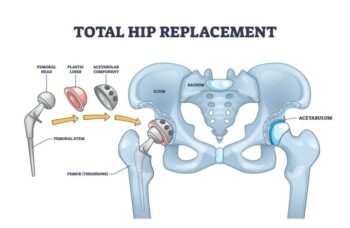
Total Hip Replacement is a surgical procedure in which the damaged parts of the hip joint are replaced with artificial components known as implants or prostheses. The hip joint is a ball-and-socket joint where the thigh bone (femur) fits into the pelvic socket. However, when the cartilage cushioning this joint wears away, the bones may rub against each other, which leads to pain and stiffness.
During the surgery, the damaged bone and cartilage are removed. Subsequently, the surgeon places an artificial ball and socket designed to replicate the natural movement of the hip joint. As a result, the procedure helps relieve pain and restore smooth joint function.
Conditions That May Require Total Hip Replacement
Several conditions can damage the hip joint and eventually require surgical treatment. For example, doctors may recommend total hip replacement for:
- Hip osteoarthritis
- Rheumatoid arthritis
- Severe hip fractures
- Hip joint degeneration
- Avascular necrosis of the hip
- Chronic hip pain affecting daily activities
Initially, doctors may suggest medications, physiotherapy, and lifestyle modifications. However, if these treatments do not provide relief, hip replacement surgery may be considered.
Benefits of Total Hip Replacement Surgery
Total hip replacement offers many benefits for individuals suffering from severe hip pain. First, the procedure helps eliminate chronic joint discomfort. In addition, it improves the ability to perform daily movements with greater ease.
Other benefits may include:
- Reduced hip pain and stiffness
- Improved walking ability
- Better joint flexibility
- Increased independence in daily activities
- Enhanced overall quality of life
Furthermore, modern orthopaedic techniques help improve surgical precision and recovery outcomes.
The Total Hip Replacement Procedure
Before surgery, the orthopaedic surgeon evaluates the patient through physical examination and diagnostic imaging such as X-rays. Consequently, the surgeon can assess the severity of joint damage and plan the procedure carefully.
During the surgery:
- The surgeon makes an incision near the hip joint.
- Damaged cartilage and bone are removed from the joint.
- Artificial components are placed to replace the ball and socket.
- The implants are positioned to support natural hip movement.
After the procedure, the incision is closed and the patient is monitored during recovery.
Recovery After Hip Replacement Surgery
Recovery is an important part of the healing process after total hip replacement. Initially, patients may begin gentle movement under medical supervision. Physiotherapy exercises gradually strengthen the muscles surrounding the hip joint.
Furthermore, guided rehabilitation helps patients regain mobility and balance. Many individuals are able to resume normal daily activities within a few weeks to months depending on their condition and recovery progress.
Following the surgeon’s instructions also helps ensure proper healing and long-term implant function.
Total Hip Replacement in Nagpur
Patients experiencing persistent hip pain or difficulty walking may benefit from consulting an orthopaedic specialist. At Asian Institute Of Advanced Surgeries in Nagpur, Dr. Abhishek Bhalotia provides comprehensive evaluation and advanced surgical care for hip joint conditions.
Through modern orthopaedic procedures and patient-focused treatment planning, the goal is to restore mobility, relieve pain, and help patients return to an active lifestyle.
When Should You Consider Hip Replacement Surgery?
Although not every hip condition requires surgery, medical evaluation may be necessary if:
- Hip pain continues despite medication and therapy
- Walking or standing becomes difficult
- Hip stiffness limits daily activities
- Pain interferes with sleep or routine movements
- Imaging tests show significant joint damage
In such cases, an orthopaedic consultation can help determine whether hip replacement surgery is the most appropriate treatment option.
Frequently Asked Questions (FAQs)
1. What is total hip replacement surgery?
Total hip replacement is a surgical procedure that replaces the damaged hip joint with artificial components to relieve pain and restore movement.
2. How long does hip replacement surgery take?
The surgery usually takes about 1–2 hours. However, the exact duration may vary depending on the patient’s condition.
3. How long does recovery take after hip replacement?
Most patients begin walking with support within a few days. Full recovery and improved mobility may take several weeks to months.
4. Is hip replacement surgery safe?
Yes. Modern surgical techniques and experienced orthopaedic surgeons make hip replacement a safe and commonly performed procedure.
5. Where can I get hip replacement surgery in Nagpur?
Patients can consult Dr. Abhishek Bhalotia at Asian Institute Of Advanced Surgeries, Nagpur for advanced evaluation and hip replacement treatment.
Book Appointment with Dr. Abhishek Bhalotia at AIAS
If you are experiencing joint discomfort, restricted movement, or any musculoskeletal concerns, scheduling a consultation with Dr. Abhishek Bhalotia, MS Ortho, Fellow Joint Replacement (Hyd, UK), Robotic Joint Replacement Surgeon, can help you better understand your condition and explore appropriate care options. Early evaluation often helps patients address symptoms before they begin to interfere with everyday activities and mobility.
Consultations are available at Asian Institute of Advanced Surgeries (AIAS) in Nagpur, where patients receive a structured orthopaedic assessment focused on identifying factors affecting bone, joint, and movement health. During the visit, individuals can discuss their symptoms, medical history, lifestyle habits, and physical activity levels with Dr. Abhishek Bhalotia, ensuring a comprehensive evaluation and guidance toward suitable treatment options for improved joint function and mobility.