
Tibial Condylar Valgus Osteotomy (TCVO) in Nagpur – Treatment by Dr. Siddharth Jain
Knee joint alignment plays a crucial role in maintaining smooth movement and balanced weight distribution. However, when knee degeneration or deformity affects the joint surface, patients may require specialized surgical correction. Therefore, individuals seeking Tibial Condylar Valgus Osteotomy (TCVO) in Nagpur often consult specialists who focus on joint preservation. At Asian Institute of Advanced Surgeries, detailed clinical evaluation helps determine whether realignment surgery can restore knee function. Moreover, Dr. Siddharth Jain carefully assesses joint stability, cartilage condition, and mechanical alignment before recommending TCVO. Consequently, patients receive a treatment plan focused on improving knee mechanics and supporting long-term joint health.
Understanding Tibial Condylar Valgus Osteotomy (TCVO)
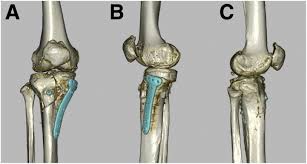
Tibial Condylar Valgus Osteotomy (TCVO) in Nagpur is a surgical procedure designed to correct knee deformities that affect joint stability and load distribution. Instead of replacing the joint, this procedure reshapes and realigns the upper part of the tibia to restore balanced movement. At Asian Institute of Advanced Surgeries, Dr. Siddharth Jain evaluates whether this joint-preserving technique can help patients maintain natural knee function. Moreover, TCVO is often considered for individuals with specific types of osteoarthritis or knee instability where traditional osteotomy techniques may not provide adequate correction.
Conditions That May Require TCVO
Certain knee conditions create uneven pressure across the joint, which gradually worsens cartilage damage. Consequently, Tibial Condylar Valgus Osteotomy (TCVO) in Nagpur may be recommended for patients experiencing medial knee osteoarthritis combined with joint instability or abnormal alignment. At Asian Institute of Advanced Surgeries, Dr. Siddharth Jain studies imaging results and clinical findings to determine whether TCVO can redistribute joint forces effectively. Furthermore, the procedure may help delay or prevent the need for knee replacement in carefully selected patients.
Common Symptoms That Indicate the Need for Evaluation
Persistent knee pain, instability while walking, and difficulty standing for long periods often signal structural joint imbalance. Additionally, patients may notice swelling, stiffness, or progressive bowing of the knee. When such symptoms interfere with daily activities, consulting a specialist for Tibial Condylar Valgus Osteotomy (TCVO) in Nagpur becomes important. At Asian Institute of Advanced Surgeries, Dr. Siddharth Jain performs detailed physical examinations to evaluate joint alignment and functional limitations before recommending the most appropriate treatment approach.
Diagnostic Assessment Before TCVO Surgery
Accurate diagnosis plays a vital role in planning successful knee realignment procedures. Therefore, Dr. Siddharth Jain conducts a comprehensive evaluation that includes weight-bearing X-rays, alignment analysis, and joint stability tests. At Asian Institute of Advanced Surgeries, imaging studies help determine the degree of deformity and cartilage damage. Consequently, this structured assessment helps identify patients who can benefit most from Tibial Condylar Valgus Osteotomy (TCVO) in Nagpur, while also ruling out conditions that require alternative surgical options.
Surgical Planning for Tibial Condylar Valgus Osteotomy (TCVO)
Successful realignment procedures require careful surgical planning and precise correction angles. At Asian Institute of Advanced Surgeries, Dr. Siddharth Jain analyzes joint structure, ligament stability, and cartilage health before performing TCVO. Furthermore, the procedure involves reshaping the upper tibia to improve load distribution within the knee. Consequently, the corrected alignment allows the healthier portion of the joint to bear more weight, which reduces pain and slows degenerative changes.
Recovery and Rehabilitation After TCVO
Recovery following Tibial Condylar Valgus Osteotomy (TCVO) in Nagpur involves structured rehabilitation and gradual return to movement. Initially, controlled weight-bearing and guided physiotherapy help restore knee mobility and muscle strength. At Asian Institute of Advanced Surgeries, Dr. Siddharth Jain monitors the healing process through regular follow-up visits. Moreover, rehabilitation programs focus on improving stability, restoring walking patterns, and strengthening surrounding muscles. Consequently, patients gradually regain confidence in knee movement while supporting long-term joint recovery.
Lifestyle Factors That Affect Knee Alignment
Daily habits significantly influence joint stress and knee stability. Excess body weight, repetitive high-impact activities, and poor posture can accelerate joint degeneration. Therefore, individuals undergoing Tibial Condylar Valgus Osteotomy (TCVO) in Nagpur are encouraged to adopt supportive lifestyle changes. At Asian Institute of Advanced Surgeries, Dr. Siddharth Jain provides guidance on weight management, physical activity adjustments, and joint protection strategies. Consequently, these lifestyle improvements help maintain surgical results and reduce additional stress on the knee.
Preventing Further Knee Joint Damage
After corrective surgery, maintaining joint health becomes a priority. Regular strengthening exercises, controlled activity levels, and ergonomic movement patterns help protect the knee joint. Additionally, early recognition of discomfort or instability allows timely intervention. Patients at Asian Institute of Advanced Surgeries receive education from Dr. Siddharth Jain regarding long-term knee care strategies. Consequently, consistent monitoring and preventive practices help preserve joint function and minimize the progression of degenerative changes.
Why Choose Dr. Siddharth Jain at Asian Institute of Advanced Surgeries
Careful assessment forms the foundation of effective knee treatment. At Asian Institute of Advanced Surgeries, Dr. Siddharth Jain evaluates joint alignment, cartilage condition, and patient activity levels before recommending any procedure. Moreover, patients receive detailed explanations about their condition, possible treatment approaches, and rehabilitation requirements. Consequently, individuals become actively involved in understanding their knee health and recovery process. This patient-focused approach supports informed decision-making and encourages long-term joint care.
Long-Term Knee Joint Preservation
Preserving natural joint function remains an important goal in orthopedic care. Procedures such as Tibial Condylar Valgus Osteotomy (TCVO) in Nagpur aim to restore balance within the knee and reduce abnormal stress on damaged cartilage. At Asian Institute of Advanced Surgeries, Dr. Siddharth Jain emphasizes ongoing monitoring and lifestyle adjustments to support long-term results. Furthermore, patients may explore rehabilitation strategies and learn more about our orthopedic treatments or visit our treatment page for additional joint care information.
Role of Patient Education in Joint Health
Understanding knee conditions helps patients take active steps toward recovery and prevention. Therefore, education about posture, exercise routines, and early symptom recognition becomes essential. At Asian Institute of Advanced Surgeries, Dr. Siddharth Jain encourages patients to explore related orthopedic services and read about joint care treatments for continued awareness. Consequently, informed individuals can maintain joint mobility, avoid unnecessary strain, and make healthier lifestyle decisions that support overall musculoskeletal well-being.
Frequently Asked Questions – Tibial Condylar Valgus Osteotomy (TCVO) in Nagpur
1. What is Tibial Condylar Valgus Osteotomy (TCVO)?
TCVO is a knee realignment procedure that reshapes the upper tibia to improve joint stability and redistribute weight across healthier areas of the knee joint.
2. Who may benefit from TCVO surgery?
Patients with medial knee osteoarthritis combined with instability or abnormal joint alignment may benefit from TCVO when joint preservation is possible.
3. How long does recovery take after TCVO?
Recovery varies by patient; however, structured rehabilitation and gradual weight-bearing usually continue for several months to restore knee strength and mobility.
4. Is TCVO an alternative to knee replacement?
In selected cases, TCVO may delay or reduce the need for knee replacement by correcting alignment and protecting remaining healthy cartilage.
5. What helps maintain results after TCVO surgery?
Regular physiotherapy, maintaining a healthy weight, and avoiding excessive joint stress help support long-term knee stability and function after surgery.
Book Appointment with Dr. Siddharth Jain at AIAS – Tibial Condylar Valgus Osteotomy (Tcvo) In Nagpur
If you are experiencing joint discomfort, restricted movement, or any musculoskeletal concerns, scheduling a consultation with Dr. Siddharth Jain can help you better understand your condition and explore appropriate care options. Early evaluation often helps patients address symptoms before they begin to interfere with everyday activities and mobility.
Consultations are available at Asian Institute of Advanced Surgeries (AIAS) in Nagpur, where patients receive a structured orthopaedic assessment focused on identifying factors affecting bone, joint, and movement health. During the visit, individuals can discuss their symptoms, medical history, lifestyle habits, and physical activity levels.