Asian Institute Of Advanced Surgeries

Tibial Condylar Valgus Osteotomy (TCVO) at Asian Institute of Advanced Surgeries
What is Tibial Condylar Valgus Osteotomy (TCVO)?
Symptoms That Indicate Need for Evaluation
Patients should seek orthopaedic consultation if they experience:
Persistent knee pain, especially on the inner side
Bow-legged appearance
Swelling after activity
Difficulty climbing stairs
Instability while walking
Reduced range of motion
Importantly, early diagnosis improves surgical planning and enhances long-term results. Therefore, timely evaluation plays a critical role in preserving joint health.
Why Patients Need TCVO
Many patients develop bow-legged alignment (varus deformity) due to medial compartment osteoarthritis. Initially, mild cartilage wear causes discomfort during walking. However, as degeneration progresses, patients experience increasing pain, swelling, and joint instability.
When conservative treatments such as physiotherapy, medications, and injections fail to provide relief, surgeons recommend TCVO. Therefore, instead of replacing the knee, surgeons preserve the joint and correct the mechanical axis.
Patients who benefit most include:
Individuals with medial knee osteoarthritis
Patients with varus knee deformity
Younger or active patients who want to delay knee replacement
Patients with joint instability and uneven cartilage wear
Ultimately, TCVO offers a biological and functional solution for knee preservation.
Request a Callback
How TCVO Works: The Surgical Concept
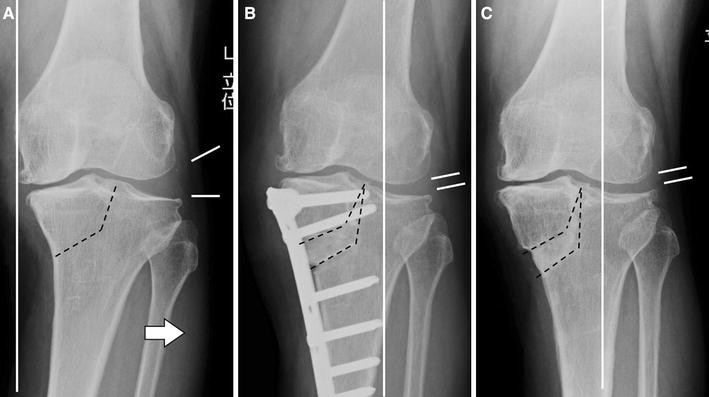
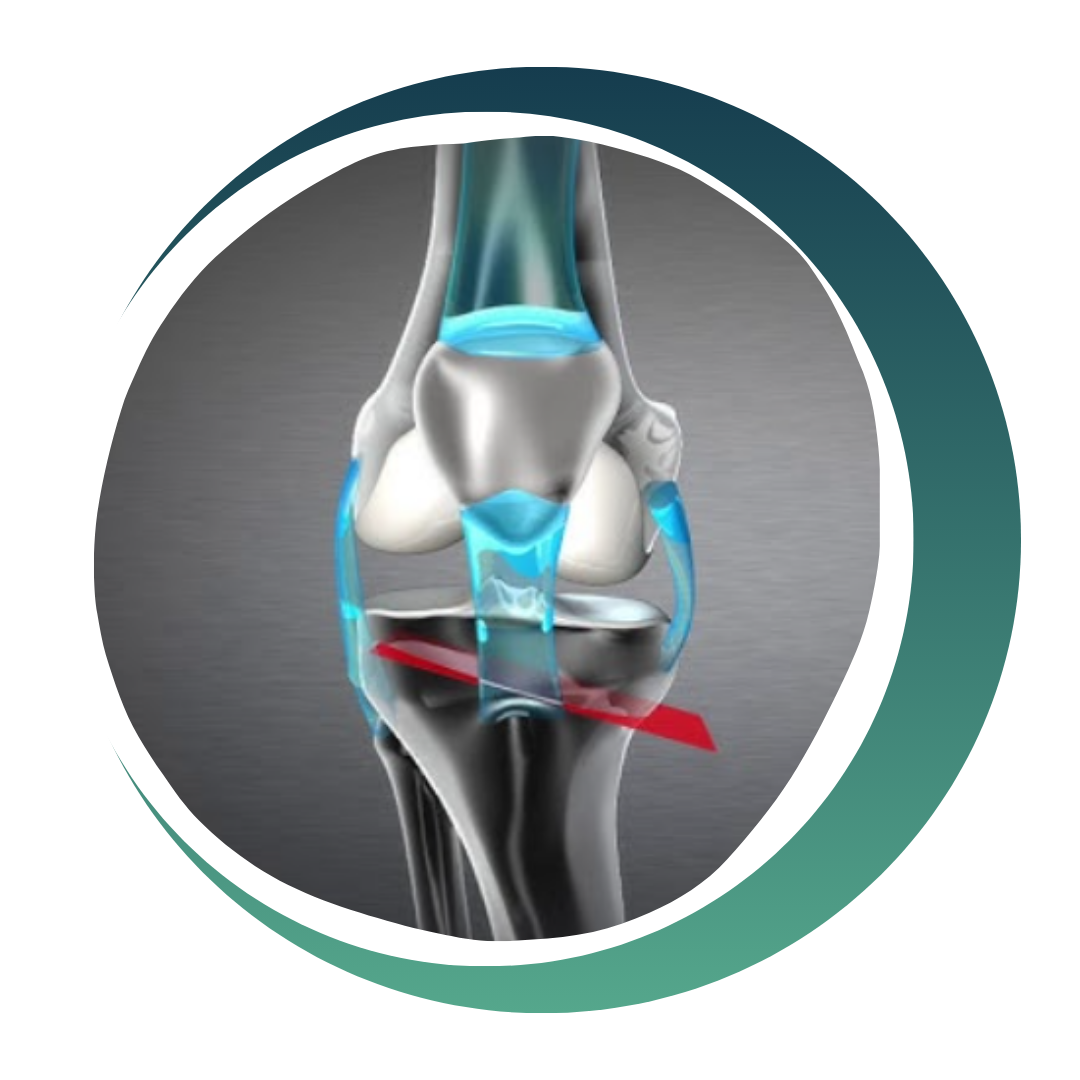
TCVO corrects knee alignment by reshaping the tibial condyle. First, surgeons perform detailed imaging, including weight-bearing X-rays and alignment studies. Next, they calculate the correction angle required to restore proper load distribution.
During surgery:
The surgeon makes a precise incision near the upper tibia.
The surgeon carefully performs a controlled bone cut.
The surgeon opens or reshapes the bone wedge to achieve valgus alignment.
The surgeon stabilizes the correction using advanced fixation plates.
Furthermore, surgeons ensure joint line correction to improve congruity and stability. As a result, the knee regains balanced biomechanics.
Key Benefits of TCVO
TCVO provides several advantages over knee replacement in selected patients.
Firstly, surgeons preserve the patient’s natural knee joint.
Secondly, they reduce pressure on damaged cartilage.
Moreover, they improve joint stability and alignment.
In addition, they delay or prevent total knee replacement.
Consequently, patients maintain better activity levels.
Ultimately, they achieve long-term pain relief with improved biomechanics.
Because surgeons correct the mechanical axis, patients often report better walking comfort and enhanced functional capacity.
Advanced Surgical Technology at Asian Institute of Advanced Surgeries
At the Asian Institute of Advanced Surgeries, orthopaedic specialists utilize advanced technology to ensure precise surgical outcomes. Firstly, they use digital alignment planning tools to calculate accurate correction angles. In addition, they rely on high-resolution imaging systems to evaluate joint structures in detail. Moreover, they operate with precision surgical instruments that enhance accuracy during complex procedures.
Furthermore, they use modern fixation implants to provide stable and durable bone support. At the same time, surgeries are performed in sterile modular operation theatres that maintain strict infection-control standards.
Additionally, the surgical team follows comprehensive safety protocols before, during, and after every procedure. Consequently, they significantly reduce the risk of complications. As a result, patients benefit from accurate correction, reliable fixation, and smoother recovery. Ultimately, this combination of advanced technology and disciplined surgical practice ensures optimal clinical outcomes and long-term joint stability.
Recovery After TCVO
Recovery plays a crucial role in long-term success. Initially, patients use supportive walking aids. Meanwhile, physiotherapists guide range-of-motion exercises.
Within weeks:
Swelling reduces gradually
Muscle strength improves
Walking stability increases
Over months:
Bone healing completes
Full weight-bearing resumes
Activity levels improve
Ultimately, structured rehabilitation maximizes surgical outcomes.
Recovery After TCVO
Step-by-Step Surgical Procedure
Recovery plays a crucial role in long-term success. Initially, patients use supportive walking aids. Meanwhile, physiotherapists guide range-of-motion exercises.
Within weeks:
Swelling reduces gradually
Muscle strength improves
Walking stability increases
Over months:
Bone healing completes
Full weight-bearing resumes
Activity levels improve
Ultimately, structured rehabilitation maximizes surgical outcomes.
1. Preoperative Planning
Surgeons conduct comprehensive assessment including:
Clinical examination
Standing alignment X-rays
MRI if required
Cartilage evaluation
Through this evaluation, surgeons customize the surgical correction for each patient.
2. Surgical Correction
During the procedure, surgeons:
Administer regional or general anesthesia
Perform precise osteotomy
Realign the tibial condyle
Secure fixation plates
Consequently, they restore proper joint orientation.
3. Postoperative Care
After surgery, the medical team:
Monitors pain levels
Encourages early controlled mobilization
Initiates physiotherapy
Schedules follow-up imaging
Therefore, patients progress steadily toward recovery.
Why Choose Asian Institute of Advanced Surgeries?
Patients choose our hospital because we consistently deliver excellence in orthopaedic care. Firstly, we provide advanced joint preservation surgeries that focus on maintaining natural joint function whenever possible. Secondly, we use evidence-based surgical techniques to ensure precise correction and long-term results. In addition, we offer personalized treatment plans tailored to each patient’s condition, lifestyle, and recovery goals.
Furthermore, we ensure comprehensive rehabilitation support through structured physiotherapy programs and continuous monitoring. At the same time, we maintain modern infrastructure and strict safety standards to provide a secure and comfortable treatment environment.
Moreover, our orthopaedic specialists prioritize patient education at every stage of treatment. As a result, patients clearly understand their diagnosis, available treatment options, and recovery process. Consequently, they actively participate in rehabilitation and follow medical guidance more effectively. Ultimately, this collaborative and patient-centered approach leads to better outcomes, faster recovery, and long-term joint health.
TCVO vs Total Knee Replacement
| TCVO | Knee Replacement |
|---|---|
| Preserves natural joint | Replaces joint surfaces |
| Ideal for younger patients | Preferred for advanced arthritis |
| Corrects alignment | Removes damaged cartilage |
| Delays joint replacement | Permanent prosthesis |
Consequently, patients with moderate arthritis benefit from joint-preserving surgery before considering replacement.