Asian Institute Of Advanced Surgeries

Tattoo Removal Treatment In Nagpur

Welcome to the world of aesthetic transformation led by Dr. Siddharth Mendiratta. With a profound passion for the art and science of plastic surgery, Dr Siddharth Mendiratta is dedicated to helping individuals achieve their unique vision of beauty and confidence.
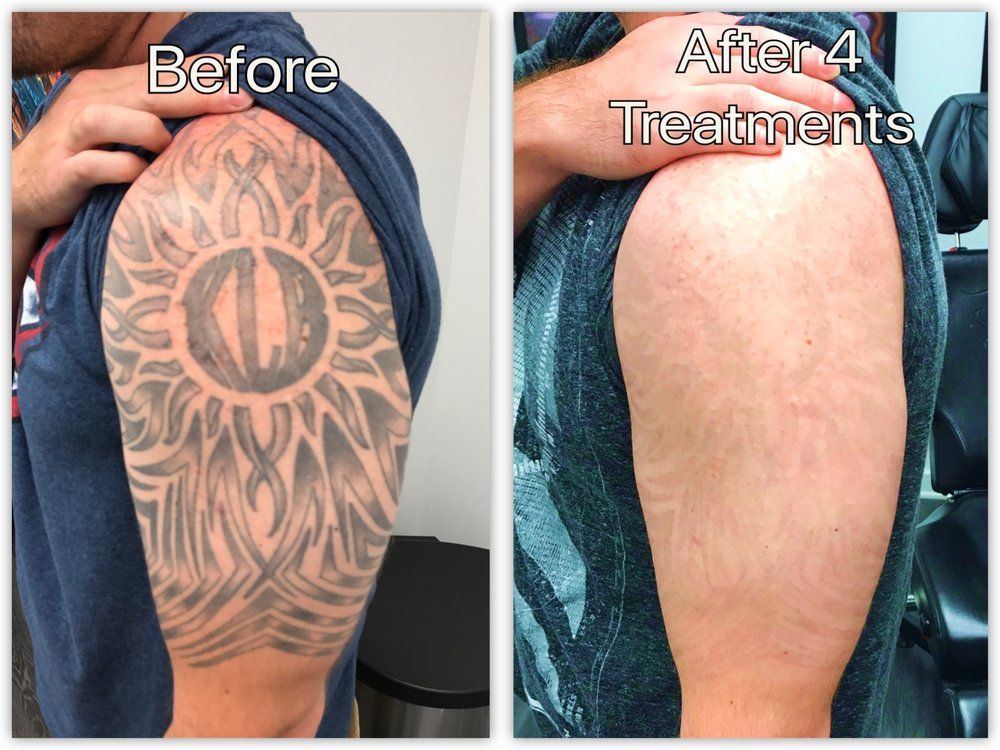
Tattoo Removal Treatment In Nagpur at Asian Institute of Advanced Surgeries (AIAS) may be considered by people who want to reduce or remove an unwanted tattoo. Tattoos can become a concern when personal preferences change, the design no longer feels suitable, or its appearance has changed over time. Removal can be more complex than simply treating the visible ink because results depend on the tattoo’s colour, depth, size, location, age, and the type of pigment used. At Asian Institute of Advanced Surgeries (AIAS), Dr. Siddharth Mendiratta evaluates the tattoo and surrounding skin before discussing suitable treatment options. He considers the characteristics of the tattoo along with your skin type, previous removal attempts, and treatment expectations. Depending on the individual case, treatment may require multiple sessions or a combination of approaches.
Understanding Tattoo Removal Treatment In Nagpur
Tattoo ink is placed beneath the surface layer of the skin, which is why ordinary washing or surface treatments cannot simply remove it. Over time, the body’s natural processes may fade some tattoos, but many remain visible without targeted treatment.
The response to treatment varies from person to person. Dr. Siddharth Mendiratta examines the tattoo to understand its colour, density, size, location, and depth. These factors can influence how the tattoo responds and how many treatment sessions may be required.
What Factors Affect Tattoo Removal?
Several characteristics can influence the outcome of tattoo removal. A professional assessment helps identify these factors before treatment begins.
🔹 Tattoo colour and pigment
🔹 Ink depth
🔹 Tattoo size
🔹 Location on the body
🔹 Age of the tattoo
🔹 Skin type
🔹 Previous removal treatments
🔹 Density of the ink
🔹 Individual skin response
Because every tattoo is different, the same treatment approach may not produce the same results for everyone.
Laser Tattoo Removal
Laser-based treatment may be considered for selected tattoos. The laser targets tattoo pigment beneath the skin, allowing the body to gradually clear fragmented pigment over time.
Different tattoo colours can respond differently to laser treatment. Darker pigments may respond more readily in some cases, while certain colours can be more challenging to treat. Dr. Siddharth Mendiratta evaluates the tattoo before discussing whether laser treatment may be appropriate and explains the expected treatment process.
Multiple Sessions May Be Needed
Tattoo removal is often a gradual process rather than a single treatment. The number of sessions depends on factors such as the tattoo’s size, pigment, depth, location, and response to previous treatment.
Allowing appropriate time between sessions can give the skin an opportunity to recover and the body time to process fragmented pigment. Dr. Siddharth Mendiratta discusses the expected treatment course during consultation rather than promising a fixed number of sessions.
Tattoo Removal For Different Colours
Tattoo pigments can respond differently depending on their colour and composition. Some colours may be easier to reduce, while others can require more sessions or a different treatment approach.
A detailed assessment helps determine the characteristics of the ink before treatment. Dr. Siddharth Mendiratta considers the tattoo’s colour, density, age, and previous treatment history when developing a plan. This allows expectations to be discussed realistically before you begin the removal process.
Treatment For Unwanted Tattoos
People may seek tattoo removal for many reasons. Personal preferences can change, and a tattoo that once felt meaningful may no longer suit your current circumstances. Some patients may also want to remove a tattoo before covering it with a different design.
Whatever the reason, Tattoo Removal Treatment In Nagpur can begin with a professional evaluation. Dr. Siddharth Mendiratta discusses your goals and examines the tattoo before recommending an appropriate approach. The treatment plan is based on the individual tattoo rather than a standard schedule.
Tattoo Removal After Previous Attempts
Some tattoos have already undergone removal treatments before being evaluated again. Previous laser sessions, other procedures, or incomplete treatment can influence the appearance and condition of the skin. During consultation, Dr. Siddharth Mendiratta reviews the tattoo’s treatment history and examines the area. He considers how the skin has responded and whether further treatment may be suitable. This assessment helps avoid assumptions and supports a more individualized plan.
What Happens During Consultation?
Your consultation begins with a discussion about the tattoo and what you hope to achieve. Dr. Siddharth Mendiratta examines the tattoo and surrounding skin while considering factors that may influence treatment.
The discussion may cover:
🔹 Tattoo size and location
🔹 Pigment colours
🔹 Ink density
🔹 Skin type
🔹 Previous removal attempts
🔹 Expected number of sessions
🔹 Possible skin reactions
🔹 Recovery requirements
🔹 Realistic treatment outcomes
This information helps you understand the process before deciding whether to proceed.
Aftercare Following Tattoo Removal Treatment In Nagpur
After treatment, the skin may need time to settle and recover. Proper aftercare can help protect the treated area during this period.
Your instructions may include:
🔹 Keeping the treated area clean
🔹 Protecting the skin from unnecessary irritation
🔹 Following dressing instructions when provided
🔹 Avoiding excessive friction
🔹 Protecting the area from sun exposure
🔹 Attending recommended follow-up appointments
Dr. Siddharth Mendiratta provides aftercare guidance according to the treatment performed and the condition of your skin.
Possible Skin Changes Tattoo Removal Treatment In Nagpur
Tattoo removal can cause temporary skin changes following treatment. Depending on the individual response, the treated area may experience redness, swelling, sensitivity, or changes in pigmentation.
The risk and duration of these effects can vary according to the treatment method, tattoo characteristics, and individual skin response. Dr. Siddharth Mendiratta discusses possible reactions during consultation so you understand what to expect and when to seek medical advice.
Setting Realistic Expectations During Tattoo Removal Treatment In Nagpur
Tattoo removal does not always result in completely clear skin. Some tattoos may fade considerably, while others can leave residual pigment or changes in skin appearance. The outcome depends on several factors, including the ink used, tattoo depth, colour, treatment history, and individual response.
Dr. Siddharth Mendiratta discusses these limitations before treatment. A realistic treatment plan helps you understand the likely degree of fading and why multiple sessions may sometimes be necessary.
Why Choose AIAS For Tattoo Removal?
At Asian Institute of Advanced Surgeries (AIAS), tattoo removal begins with an individual assessment rather than a fixed treatment schedule. Dr. Siddharth Mendiratta considers the tattoo, surrounding skin, previous treatment, and your desired outcome before discussing suitable options.
🔹 Detailed tattoo assessment
🔹 Personalized treatment planning
🔹 Consideration of skin type and pigment
🔹 Evaluation of previous removal attempts
🔹 Clear discussion of expected outcomes
🔹 Guidance on aftercare and recovery
This approach helps you understand the treatment process and make an informed decision.
Frequently Asked Questions (FAQ) - Tattoo Removal Treatment In Nagpur
1. What is Tattoo Removal Treatment In Nagpur?
It is a treatment approach used to reduce or remove unwanted tattoo pigment. The suitable method depends on the tattoo’s characteristics and your skin.
2. Can every tattoo be completely removed?
Complete removal cannot always be guaranteed. Some tattoos may leave residual pigment or changes in skin appearance after treatment.
3. How many sessions are needed?
The number of sessions varies according to tattoo size, colour, depth, ink density, location, and individual response. A fixed number cannot be predicted for everyone.
4. Does tattoo colour affect removal?
Yes. Different pigments can respond differently to treatment. Some colours may require more sessions or a different approach.
5. Can an old tattoo be removed?
An old tattoo can be assessed for removal. Its age, pigment, depth, and current appearance can influence the treatment plan.