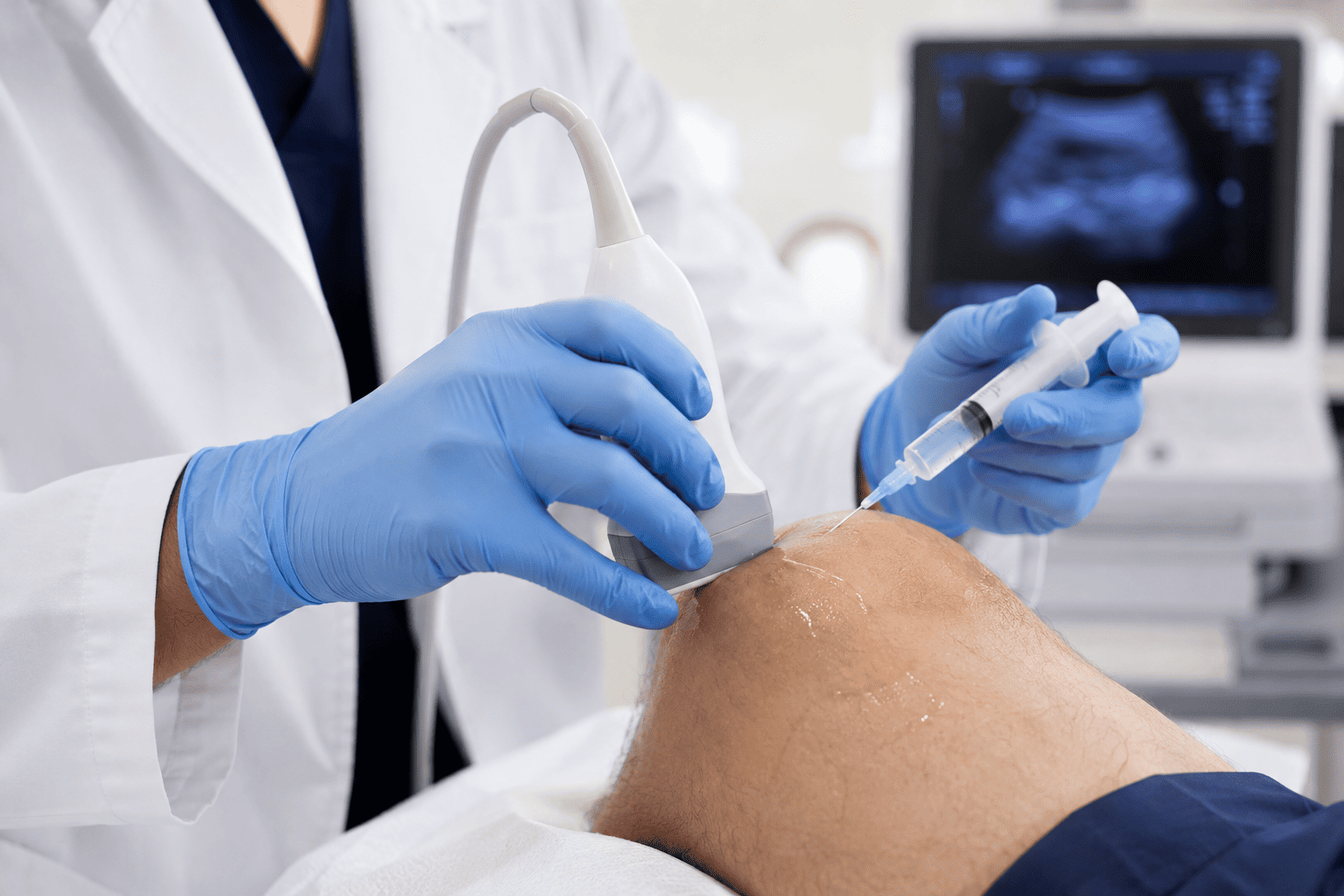
Knee pain can affect walking, exercise, work, and everyday comfort. Moreover, different knee conditions can produce similar symptoms, so accurate diagnosis matters before choosing treatment. Therefore, people searching for Targeted Knee Joint Treatments In Nagpur should consult an orthopedic specialist for a detailed assessment. In addition, a personalized approach can address the specific joint problem instead of relying on a one-size-fits-all solution. However, treatment needs can vary according to the cause, severity, age, activity level, and overall health. As a result, targeted knee care can help patients understand their condition and explore suitable treatment options.
What Are Targeted Knee Joint Treatments?
Targeted knee joint treatments focus on the specific cause and location of knee symptoms. Moreover, knee pain can result from arthritis, ligament injuries, meniscus problems, cartilage damage, trauma, or other joint conditions. Therefore, an orthopedic doctor first identifies the underlying problem before recommending treatment. In addition, the care plan may include exercise, physiotherapy, medication, injections, arthroscopy, or joint replacement when appropriate. However, not every patient needs surgery. As a result, targeted treatment aims to match the right approach with the patient’s condition and functional goals.
Why Choose Targeted Knee Treatment?
Every knee condition has different treatment requirements. Moreover, treating the actual source of pain can help avoid unnecessary procedures and unsuitable exercises. Therefore, your orthopedic specialist may combine clinical examination, medical history, activity assessment, and imaging to understand your knee problem. In addition, the doctor can modify your treatment as your symptoms and recovery progress. However, no treatment guarantees the same result for every patient. As a result, individualized care can support more informed decisions and practical recovery goals.
Common Knee Conditions We Evaluate
Knee problems can affect people at different ages and activity levels. Moreover, injuries and degenerative changes can both interfere with joint function. Therefore, an orthopedic specialist may evaluate conditions such as:
- Knee osteoarthritis
- Meniscus injuries
- ACL injuries
- PCL injuries
- MCL and LCL injuries
- Cartilage damage
- Patellar problems
- Knee instability
- Sports-related knee injuries
- Post-traumatic knee pain
- Joint stiffness
- Advanced knee degeneration
In addition, some patients may experience more than one condition at the same time. As a result, comprehensive evaluation can help identify all relevant problems.
Symptoms That Need Knee Evaluation
Knee symptoms can develop gradually or appear suddenly after an injury. Moreover, persistent symptoms can interfere with normal movement and physical activity. Therefore, consider an orthopedic evaluation if you experience:
- Persistent knee pain
- Knee swelling
- Joint stiffness
- Difficulty walking
- Pain while climbing stairs
- Reduced range of motion
- Repeated knee instability
- Clicking or locking sensations
- Difficulty squatting
- Pain during exercise
- Reduced activity tolerance
However, symptoms alone cannot confirm a specific diagnosis. As a result, professional evaluation can help determine the actual cause.
How Doctors Identify The Right Treatment
An orthopedic specialist starts with your symptoms and medical history. Moreover, the doctor may ask about previous injuries, exercise habits, occupation, and activities that increase your pain. Therefore, the physical examination can assess movement, strength, alignment, tenderness, and stability. In addition, the specialist may recommend X-rays, MRI scans, or other investigations when clinically appropriate. However, doctors interpret imaging together with clinical findings rather than relying on a scan alone. As a result, detailed assessment can support a more precise treatment strategy.
Non-Surgical Targeted Knee Treatments
Many knee conditions respond to appropriate conservative care. Moreover, doctors often consider non-surgical options when they can provide meaningful symptom relief and functional improvement. Therefore, your treatment plan may include:
- Physiotherapy
- Strengthening exercises
- Flexibility training
- Activity modification
- Weight-management guidance
- Pain-management strategies
- Bracing for selected conditions
- Movement retraining
- Injections when clinically appropriate
- Gradual return to physical activity
In addition, your doctor can monitor your progress and adjust the plan when necessary. As a result, conservative care can remain an important part of targeted knee management.
Physiotherapy For Targeted Knee Care
Physiotherapy can help address weakness, stiffness, poor movement control, and reduced functional capacity. Moreover, different knee conditions require different exercise approaches. Therefore, a physiotherapist can design a program based on your diagnosis, strength, mobility, and recovery goals. In addition, rehabilitation may include strengthening, balance work, flexibility exercises, walking practice, and activity-specific training. However, you should perform exercises according to professional guidance when pain or injury limits movement. As a result, structured physiotherapy can support safer progress and improved knee function.
Book An Appointment For Targeted Knee Joint Treatments In Nagpur
Persistent knee symptoms can gradually affect your movement and quality of life. Moreover, the right treatment starts with understanding the actual cause of your symptoms. Therefore, if you are searching for Targeted Knee Joint Treatments In Nagpur, schedule an appointment with an orthopedic specialist for a detailed knee evaluation. In addition, bring your previous medical records and imaging reports if available. However, avoid self-diagnosing your condition or delaying assessment when symptoms continue. As a result, professional guidance can help you understand your treatment options and plan the next appropriate step.
Frequently Asked Questions (FAQ)
Targeted knee joint treatments in Nagpur
Targeted knee joint treatments in Nagpur
Consult Our Experienced Orthopaedic Surgeon for Detailed Guidance