
Surgical Planning Information – Improving Accuracy and Safety in Orthopedic Procedures
Surgical Planning Information By Dr. Abhishek Bhalotia, practicing at Asian Institute Of Advanced Surgeries,Surgical planning plays a crucial role in achieving successful outcomes in orthopedic procedures. Modern orthopedic surgery relies heavily on careful preoperative planning, advanced imaging, and personalized treatment strategies. Because every patient has unique anatomical structures and medical needs, detailed surgical planning allows surgeons to perform procedures with greater accuracy and safety.
At the Asian Institute Of Advanced Surgeries, orthopedic procedures are supported by structured surgical planning protocols. Experienced orthopedic specialist Dr. Abhishek Bhalotia carefully evaluates each patient’s condition and develops customized surgical plans that improve treatment precision and recovery outcomes.
This article explains the importance of surgical planning, the steps involved, and how advanced technology enhances modern orthopedic procedures.
What Is Surgical Planning?
Surgical planning refers to the process of preparing for a surgical procedure before entering the operating room. It involves evaluating the patient’s condition, studying diagnostic images, selecting the appropriate surgical technique, and determining the best approach for treatment.
Through this preparation, surgeons can:
- Understand the exact location of joint damage
- Plan accurate implant placement
- Select suitable surgical tools
- Reduce potential surgical risks
Therefore, surgical planning significantly improves surgical efficiency and patient safety.
Importance of Preoperative Evaluation
Preoperative evaluation is the first step in surgical planning. During this stage, the orthopedic surgeon gathers detailed information about the patient’s health and joint condition.
This evaluation typically includes:
- Medical history review
- Physical examination
- Diagnostic imaging studies
- Laboratory tests when necessary
As a result, the surgeon gains a comprehensive understanding of the patient’s condition and determines whether surgery is the most appropriate treatment option.
Role of Diagnostic Imaging in Surgical Planning
Diagnostic imaging technologies provide valuable information that helps surgeons visualize joint structures before surgery.
Common imaging methods include:
X-Ray Imaging
X-rays help identify bone damage, joint space narrowing, and deformities. They are commonly used to evaluate arthritis and joint degeneration.
Magnetic Resonance Imaging (MRI)
MRI scans provide detailed images of soft tissues, including ligaments, cartilage, and tendons. This imaging technique is especially useful for sports injuries and ligament damage.
CT Scans
Computed tomography scans offer highly detailed cross-sectional images of bones and joints. These scans assist surgeons in understanding complex joint anatomy.
Consequently, imaging technologies allow surgeons to plan procedures with exceptional precision.
Personalized Surgical Planning
Every patient’s joint anatomy and medical condition are different. Therefore, personalized surgical planning ensures that treatment strategies are tailored to each individual.
Personalized planning considers several factors:
- Age and activity level
- Severity of joint damage
- Overall health condition
- Lifestyle requirements
By analyzing these factors, surgeons can design procedures that meet the patient’s specific functional goals.
Benefits of Advanced Surgical Planning
Modern orthopedic surgery benefits significantly from advanced planning techniques.
Improved Surgical Accuracy
Detailed planning enables surgeons to perform procedures with greater precision. Accurate implant placement improves joint function and stability.
Reduced Surgical Time
Well-planned procedures often take less time because the surgical team understands the exact steps required before surgery begins.
Lower Risk of Complications
Careful planning helps identify potential challenges beforehand. Therefore, surgeons can prepare strategies to reduce surgical risks.
Faster Recovery
Precise procedures minimize unnecessary tissue damage. Consequently, patients may experience quicker recovery and improved mobility.
Surgical Planning for Joint Replacement
Joint replacement surgery requires extremely precise planning to ensure proper implant placement and joint alignment.
Planning steps often include:
- Measuring joint structures using imaging scans
- Selecting the correct implant size
- Determining the best surgical approach
- Planning bone preparation techniques
At advanced orthopedic centers such as the Asian Institute Of Advanced Surgeries, these planning techniques help surgeons perform joint replacement procedures with improved accuracy.
Role of Technology in Modern Surgical Planning
Technological advancements have transformed the way orthopedic surgeries are planned and performed.
Computer-Assisted Surgical Planning
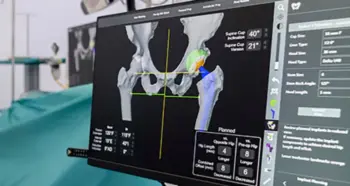
Computer software allows surgeons to simulate surgical procedures before performing them. This technology helps visualize joint structures and determine optimal surgical strategies.
Robotic-Assisted Planning
Robotic systems enhance surgical planning by providing real-time data and precise measurements during procedures.
These technologies allow surgeons like Dr. Abhishek Bhalotia to perform complex orthopedic procedures with exceptional precision.
Preparing Patients for Surgery
Surgical planning also involves preparing patients physically and mentally for the procedure.
Important preparation steps may include:
- Preoperative medical evaluation
- Medication adjustments
- Lifestyle modifications
- Patient education about the surgical process
These steps help ensure patients are ready for surgery and recovery.
Communication Between Surgeon and Patient
Effective communication plays an important role in surgical planning.
During consultation, the surgeon typically discusses:
- The diagnosis and treatment options
- Benefits and risks of surgery
- Expected recovery timeline
- Postoperative rehabilitation plans
Clear communication helps patients understand the procedure and make informed decisions about their treatment.
Postoperative Planning
Surgical planning does not end after the procedure. Postoperative care and rehabilitation planning are equally important.
After surgery, patients often follow structured recovery programs that include:
- Physical therapy exercises
- Pain management strategies
- Follow-up appointments
- Lifestyle adjustments for joint protection
These recovery plans help patients regain mobility and improve long-term surgical outcomes.
Why Surgical Planning Matters in Orthopedic Care ?
Effective surgical planning improves both surgical performance and patient outcomes.
Key advantages include:
- Accurate treatment strategies
- Reduced surgical complications
- Improved joint function
- Faster rehabilitation
Therefore, surgical planning has become a critical component of modern orthopedic treatment.
When Surgical Planning Is Required ?
Surgical planning is commonly used for many orthopedic procedures, including:
- Joint replacement surgery
- Ligament reconstruction
- Arthroscopic joint procedures
- Complex fracture repair
Careful planning ensures these procedures are performed safely and efficiently.
Frequently Asked Questions (FAQs)
What is the purpose of surgical planning?
Surgical planning helps surgeons prepare for procedures by analyzing patient anatomy, selecting appropriate techniques, and minimizing surgical risks.
Does surgical planning improve surgical success?
Yes. Careful planning increases surgical accuracy and reduces complications.
Is imaging always required before orthopedic surgery?
Most orthopedic procedures require imaging such as X-rays, MRI scans, or CT scans to evaluate joint structures.
Can surgical planning reduce recovery time?
Precise procedures often cause less tissue trauma, which may support faster recovery.
Who performs surgical planning?
Orthopedic surgeons conduct surgical planning using patient examinations, diagnostic imaging, and advanced technology.
Book Appointment with Dr. Abhishek Bhalotia at AIAS
If you are experiencing joint discomfort, restricted movement, or any musculoskeletal concerns, scheduling a consultation with Dr. Abhishek Bhalotia, MS Ortho, Fellow Joint Replacement (Hyd, UK), Robotic Joint Replacement Surgeon, can help you better understand your condition and explore appropriate care options. Early evaluation often helps patients address symptoms before they begin to interfere with everyday activities and mobility.
Consultations are available at Asian Institute of Advanced Surgeries (AIAS) in Nagpur, where patients receive a structured orthopaedic assessment focused on identifying factors affecting bone, joint, and movement health. During the visit, individuals can discuss their symptoms, medical history, lifestyle habits, and physical activity levels with Dr. Abhishek Bhalotia, ensuring a comprehensive evaluation and guidance toward suitable treatment options for improved joint function and mobility.