
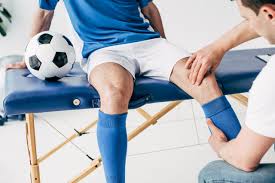
Introduction: Rising Global Demand for Sports Injury Treatment in Korea
Sports participation has increased dramatically across all age groups, ranging from professional athletes to fitness enthusiasts and recreational players. Because of this rapid growth, injuries related to physical activity have also become more common. As a result, sports injury treatment in Korea has emerged as one of the most advanced and trusted orthopedic solutions worldwide.
Moreover, Korea has developed a strong reputation in sports medicine due to its integration of robotic surgery, AI-based diagnostics, and minimally invasive orthopedic techniques. In addition to this, patients from different countries increasingly prefer sports injury treatment in Korea because it focuses not only on healing injuries but also on restoring complete athletic performance.
Furthermore, specialists like Dr. Siddharth Jain (MBBS, MS, DNB, FIAS England) play a vital role in delivering advanced sports medicine care through arthroscopy, ligament reconstruction, and evidence-based rehabilitation planning. Therefore, patients benefit from highly personalized and result-oriented treatment strategies.
Why Korea Is a Global Leader in Sports Injury Treatment
To begin with, Korea has established itself as a global leader in orthopedic and sports medicine due to its advanced healthcare infrastructure. Moreover, hospitals are equipped with robotic-assisted surgical systems, high-resolution imaging tools, and AI-driven diagnostic platforms.
In addition to this, sports injury treatment in Korea is designed to provide faster recovery and long-term functional restoration. Therefore, athletes are able to return to their sport much earlier compared to traditional treatment methods.
Furthermore, Korean orthopedic specialists focus on precision medicine, which means every patient receives a customized treatment plan based on injury type, severity, and physical condition.
Key reasons Korea is preferred:
- Advanced robotic-assisted orthopedic surgery
- AI-based injury diagnosis systems
- Minimally invasive arthroscopic procedures
- World-class rehabilitation programs
- Highly experienced sports medicine specialists
Common Sports Injuries Treated in Korea
Sports injuries can affect muscles, ligaments, tendons, and joints. Moreover, if not treated properly, they can lead to long-term mobility issues and chronic pain.
Some of the most common injuries include:
- ACL (Anterior Cruciate Ligament) tears
- Meniscus injuries
- Shoulder dislocations
- Rotator cuff tears
- Ankle ligament sprains
- Muscle strains and tendon injuries
- Hamstring tears
Because these injuries vary in severity, sports injury treatment in Korea always begins with precise diagnosis and structured evaluation.
Advanced Diagnostic Techniques in Korea
To begin with, accurate diagnosis plays a critical role in successful treatment outcomes. Moreover, Korean hospitals use advanced technologies to identify even the smallest structural damage.
Diagnostic methods include:
- MRI and CT imaging scans
- Digital X-ray analysis
- Ultrasound musculoskeletal evaluation
- AI-based injury detection systems
- Gait and movement analysis
In addition, these advanced tools help doctors understand how the injury affects daily movement and athletic performance. As a result, treatment becomes more targeted and effective.
Non-Surgical Sports Injury Treatment in Korea
In many cases, surgery is not immediately required. Instead, conservative treatment methods are used to promote natural healing and reduce inflammation.
These treatments include:
- Physiotherapy and rehabilitation programs
- Anti-inflammatory medications
- PRP (Platelet-Rich Plasma) therapy
- Electrotherapy and ultrasound therapy
- Muscle strengthening exercises
- Activity modification and rest protocols
Moreover, these methods are especially effective in mild to moderate injuries. Therefore, many patients recover without undergoing surgical procedures.
In addition, rehabilitation experts focus on restoring full movement patterns, which helps prevent future injuries.
Minimally Invasive Arthroscopic Treatment
When conservative treatments are not sufficient, arthroscopy becomes the most preferred option in modern orthopedic care.
Arthroscopy is a minimally invasive surgical technique that allows doctors to treat internal joint injuries using small incisions and a camera-guided system.
It is commonly used for:
- Ligament repair
- Meniscus repair
- Cartilage restoration
- Joint cleaning and debridement
- Shoulder stabilization
Moreover, this technique offers multiple benefits such as reduced pain, minimal scarring, and faster recovery. Consequently, it has become a core component of sports injury treatment in Korea.
Role of Dr. Siddharth Jain in Sports Injury Treatment
When discussing advanced orthopedic care, Dr. Siddharth Jain (MBBS, MS, DNB, FIAS England) brings significant expertise in arthroscopy, sports injury management, and joint reconstruction.
Moreover, his international fellowship training enhances his ability to handle complex injuries with precision. In addition to this, his approach focuses on long-term recovery rather than temporary relief.
He specializes in:
- Arthroscopic ligament reconstruction
- Sports injury rehabilitation planning
- Joint preservation techniques
- Minimally invasive orthopedic surgery
- Post-surgical recovery optimization
Therefore, patients receiving care under his expertise experience improved functional outcomes and faster recovery timelines.
Surgical Treatment for Severe Sports Injuries
However, in cases of severe ligament damage or structural instability, surgical intervention becomes necessary.
Common surgical procedures include:
- ACL reconstruction surgery
- Meniscus repair surgery
- Shoulder stabilization surgery
- Cartilage restoration procedures
- Complex ligament reconstruction
Moreover, robotic-assisted systems are often used to ensure extreme precision during surgery. As a result, alignment accuracy improves significantly, leading to better long-term outcomes.
In addition, surgical success in Korea is supported by highly advanced post-operative care systems.
Rehabilitation After Sports Injury Treatment in Korea
Recovery is a crucial part of sports medicine. Moreover, rehabilitation ensures that patients regain strength, flexibility, and coordination before returning to physical activity.
Rehabilitation programs include:
- Physiotherapy sessions
- Strength training exercises
- Balance and coordination drills
- Flexibility enhancement routines
- Sport-specific training programs
- Gradual return-to-sport progression
As a result, patients not only recover but also regain peak athletic performance safely.
Why Athletes Prefer Korea for Sports Injury Treatment
Athletes from across the world prefer Korea because of its performance-focused approach to recovery. Moreover, treatment is designed to restore full physical capability, not just eliminate pain.
Key reasons include:
- High surgical precision and accuracy
- Faster return-to-sport protocols
- Advanced rehabilitation systems
- Low complication rates
- Specialized sports medicine expertise
Therefore, sports injury treatment in Korea is widely trusted by professional athletes and active individuals.
Advantages of Sports Injury Treatment in Korea
In addition to advanced technology, Korea offers multiple benefits that improve treatment outcomes.
- Highly accurate diagnosis systems
- Minimally invasive surgical techniques
- Shorter hospital stays
- Faster recovery timelines
- Personalized treatment planning
- Internationally trained orthopedic specialists
Moreover, these advantages ensure long-term joint health and performance stability.
Future of Sports Injury Treatment in Korea
Looking ahead, sports medicine in Korea is expected to become even more advanced with innovations in robotics, AI, and regenerative medicine.
Moreover, future treatments will focus on:
- Non-invasive ligament repair techniques
- Smart rehabilitation systems
- Biologic tissue regeneration
- AI-powered injury prevention models
- Fully robotic-assisted surgeries
As a result, recovery will become faster, safer, and more efficient in the coming years.
Frequently Asked Questions (FAQs)
1. What is sports injury treatment in Korea?
It includes medical, surgical, and rehabilitation-based treatments for ligament, muscle, and joint injuries.
2. Why is Korea famous for sports injury treatment?
Because of advanced technology, expert surgeons, and fast recovery systems.
3. Who is Dr. Siddharth Jain?
He is an orthopedic specialist (MBBS, MS, DNB, FIAS England) with expertise in arthroscopy and sports medicine.
4. Can sports injuries heal without surgery?
Yes, many mild injuries recover with physiotherapy and regenerative treatments.
5. What is arthroscopy?
It is a minimally invasive surgical method used to repair internal joint injuries.
6. How long is recovery after sports injury surgery?
Recovery varies depending on severity but usually ranges from a few weeks to several months.
7. Can athletes return to sports after treatment?
Yes, most athletes return fully after structured rehabilitation.
Conclusion
In conclusion, sports injury treatment in Korea offers one of the most advanced and reliable orthopedic solutions for athletes and active individuals worldwide. Moreover, Korea’s integration of robotics, AI diagnostics, and expert surgical care ensures highly successful outcomes.
Ultimately, with specialists like Dr. Siddharth Jain (MBBS, MS, DNB, FIAS England), patients receive world-class orthopedic treatment focused on restoring performance, mobility, and long-term joint health.
Therefore, choosing Korea ensures not only injury recovery but complete athletic restoration and peak performance recovery.
Book Appointment with Dr. Siddharth Jain at AIAS
If you are experiencing joint discomfort, restricted movement, or any musculoskeletal concerns, scheduling a consultation with Dr. Siddharth Jain can help you better understand your condition and explore appropriate care options. Early evaluation often helps patients address symptoms before they begin to interfere with everyday activities and mobility.
Consultations are available at Asian Institute of Advanced Surgeries (AIAS) in Nagpur, where patients receive a structured orthopaedic assessment focused on identifying factors affecting bone, joint, and movement health. During the visit, individuals can discuss their symptoms, medical history, lifestyle habits, and physical activity levels.