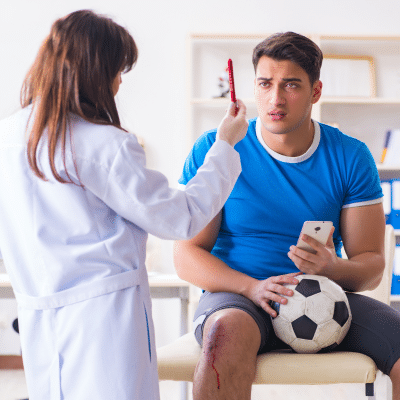
Sports injuries can affect athletes, active adults, fitness enthusiasts, and people who enjoy occasional physical activity. Moreover, sudden twisting, awkward landings, falls, collisions, or repetitive movements can affect muscles, tendons, ligaments, cartilage, and joints. Therefore, patients searching for a Sports Injury Surgeon In Raisen should seek a proper orthopedic evaluation before choosing treatment. In addition, a sports-focused orthopedic surgeon can assess your injury, activity requirements, previous treatment, and recovery goals. As a result, you can understand your condition and follow a treatment plan designed around your needs.
Sports injury care involves more than reducing pain. Moreover, successful recovery requires accurate diagnosis, appropriate treatment, progressive rehabilitation, and careful activity planning. Therefore, your orthopedic specialist can determine whether conservative treatment, physiotherapy, medication, bracing, injections, arthroscopy, or surgery suits your condition. In addition, the doctor can guide you through each stage of recovery. As a result, you can work toward restoring strength, movement, stability, and confidence.
Why Consult A Sports Injury Surgeon In Raisen?
Choosing the right specialist can make your treatment journey more organized. Moreover, sports injuries can involve more than one structure, so your surgeon should evaluate the entire affected area. Therefore, a detailed assessment can identify ligament, tendon, cartilage, muscle, or joint problems. In addition, your doctor can explain both surgical and non-surgical options. As a result, you can make an informed decision based on your injury and activity goals.
What Does A Sports Injury Surgeon Treat? | Sports Injury Surgeon In Raisen
A sports injury surgeon evaluates and treats many musculoskeletal problems caused by sports and physical activity. Moreover, each injury requires an individualized approach. Therefore, treatment may address:
- ACL injuries
- PCL injuries
- MCL and LCL injuries
- Meniscus tears
- Cartilage injuries
- Rotator cuff problems
- Shoulder instability
- Ankle sprains
- Tendon injuries
- Muscle strains
- Sports-related fractures
- Joint instability
- Overuse injuries
In addition, your specialist can evaluate associated injuries that may influence your recovery.
Common Causes Of Sports Injuries
Sports injuries can occur during both training and competition. Moreover, sudden movements can place considerable stress on joints and soft tissues. Therefore, common causes include:
- Sudden twisting
- Awkward landing
- Rapid direction changes
- Direct impact
- Falls
- Sudden stopping
- Repetitive movements
- Excessive training
- Inadequate recovery
- Incorrect exercise technique
In addition, appropriate conditioning and injury-prevention strategies can help reduce certain avoidable risks.
Symptoms That Need Sports Injury Evaluation
Sports injuries can cause different symptoms depending on the affected body part. Moreover, some symptoms appear immediately, while others develop gradually. Therefore, consider an orthopedic consultation if you experience:
- Persistent pain
- Sudden swelling
- Reduced movement
- Muscle weakness
- Joint instability
- Clicking or catching
- Difficulty walking or running
- Pain during exercise
- Repeated injuries
- Reduced sports performance
As a result, timely assessment can help identify the underlying problem and guide suitable treatment.
ACL Injury Treatment In Raisen
The ACL helps stabilize the knee during running, jumping, landing, and rapid direction changes. Moreover, sudden twisting or pivoting can cause an ACL tear. Therefore, persistent instability after an injury requires proper orthopedic evaluation. In addition, your surgeon may assess associated meniscus or cartilage injuries before recommending treatment. As a result, suitable patients may receive rehabilitation, bracing, or ACL reconstruction according to their individual condition.
Meniscus Injury Treatment In Raisen
The meniscus helps cushion the knee and distribute forces during movement. Moreover, twisting injuries and sports activities can damage the meniscus. Therefore, pain, swelling, clicking, catching, or locking can require specialist assessment. In addition, your surgeon may consider the tear pattern, symptoms, activity level, and overall knee condition before recommending treatment. As a result, treatment may include physiotherapy, activity modification, or arthroscopic treatment when appropriate.
Knee Sports Injury Treatment | Sports Injury Surgeon In Raisen
The knee experiences considerable stress during running, jumping, squatting, and pivoting. Moreover, ligament, meniscus, cartilage, tendon, and muscle injuries can affect knee function. Therefore, athletes should seek evaluation when symptoms persist after training or competition. In addition, your specialist can recommend rehabilitation or surgical treatment according to the injury. As a result, structured care can help you work toward improved knee function and a gradual return to activity.
Shoulder Sports Injury Treatment In Raisen
Sports such as cricket, badminton, tennis, swimming, and throwing activities can place repeated demands on the shoulder. Moreover, falls and sudden forceful movements can also cause shoulder injuries. Therefore, persistent pain, weakness, clicking, or instability deserves orthopedic assessment. In addition, your surgeon can evaluate the rotator cuff, labrum, joint, and surrounding structures. As a result, targeted treatment can support better shoulder movement and functional strength.
Ankle And Foot Sports Injury Treatment | Sports Injury Surgeon In Raisen
Running and jumping can place repeated stress on the ankle and foot. Moreover, awkward landings and sudden direction changes can cause sprains, tendon injuries, or other problems. Therefore, persistent swelling, pain, or difficulty bearing weight requires professional assessment. In addition, your specialist can recommend appropriate treatment and rehabilitation according to the injury. As a result, gradual recovery can support a safe return to walking, running, and sports.
Sports Injury Diagnosis In Raisen
Accurate diagnosis forms an important part of sports injury treatment. Moreover, your surgeon will discuss how the injury occurred and review your symptoms, previous injuries, and activity level. Therefore, the examination may include movement, strength, stability, and functional tests. In addition, your doctor may recommend X-rays, ultrasound, MRI, or other investigations when necessary. As a result, detailed assessment can help identify the injury and guide appropriate treatment.
Non-Surgical Sports Injury Treatment | Sports Injury Surgeon In Raisen
Many sports injuries can improve with suitable conservative care. Moreover, treatment depends on the injury type, severity, symptoms, and activity requirements. Therefore, your specialist may recommend:
- Activity modification
- Physiotherapy
- Strengthening exercises
- Flexibility training
- Balance exercises
- Bracing
- Pain-management strategies
- Gradual return to activity
- Appropriate home exercises
In addition, your doctor can monitor your progress and adjust the treatment plan when necessary.
Sports Injury Surgery In Raisen
Some injuries may require surgery when structural damage or persistent instability significantly affects function. Moreover, your surgeon should carefully evaluate the injury before recommending an operation. Therefore, discuss the proposed procedure, alternatives, potential risks, and rehabilitation requirements. In addition, modern orthopedic procedures can address selected ligament, meniscus, cartilage, tendon, and joint problems. As a result, appropriate surgical treatment combined with rehabilitation can support your recovery goals.
Book An Appointment With A Sports Injury Surgeon In Raisen
Sports injuries can affect your training, work, mobility, and confidence. Moreover, early orthopedic evaluation can help identify the cause and severity of your symptoms. Therefore, if you are searching for a Sports Injury Surgeon In Raisen, schedule a consultation with a qualified orthopedic specialist.
In addition, bring previous X-rays, MRI reports, prescriptions, and relevant medical records when available. As a result, your surgeon can review your history and guide you toward suitable treatment options.
Frequently Asked Questions (FAQ) -
Consult Our Experienced Orthopaedic Surgeon for Detailed Guidance