Asian Institute Of Advanced Surgeries


Expert Care for Sports Injuries
Common Sports Injuries We Treat | Sports Injury Surgeon In Narsinghpur
A sports injury surgeon can manage many muscle, ligament, tendon, and joint problems. Moreover, treatment can focus on both pain relief and functional recovery. Common sports injuries include:
- ACL injuries
- Meniscus tears
- PCL injuries
- MCL and LCL injuries
- Shoulder dislocation
- Rotator cuff injuries
- Ankle sprains
- Tendon injuries
- Sports-related fractures
- Cartilage injuries
- Tennis elbow
- Muscle strains
- Ligament sprains
Therefore, proper diagnosis plays an important role in choosing the right treatment for each condition.
Knee Sports Injuries
The knee handles significant stress during running, jumping, twisting, and changing direction. Moreover, athletes can develop ACL tears, meniscus injuries, cartilage damage, and ligament problems. These injuries may cause pain, swelling, clicking, or a feeling that the knee may give way.
A Sports Injury Surgeon In Narsinghpur can evaluate knee injuries through a clinical examination and appropriate imaging tests. Therefore, the treatment plan may include rehabilitation for selected injuries or surgery for certain serious injuries. In addition, structured physiotherapy can help restore strength, movement, balance, and confidence.
ACL Injury Treatment
The anterior cruciate ligament helps control knee stability during movement. Moreover, athletes often injure the ACL during sudden turns, awkward landings, or rapid changes in direction. An ACL injury may cause swelling, pain, instability, and difficulty with sports activities.
Therefore, an orthopedic sports injury specialist evaluates the injury carefully before recommending treatment. Some patients can improve with rehabilitation and activity modification. However, active patients with significant instability may need ACL reconstruction. In addition, rehabilitation after treatment plays an important role in helping patients return to their desired activities.
Meniscus Injury Treatment
The meniscus cushions the knee and helps distribute pressure across the joint. Moreover, twisting movements can cause a meniscus tear, especially during sports activities. Patients may notice knee pain, swelling, clicking, or difficulty bending and straightening the knee.
Therefore, your doctor may assess your symptoms and perform specific knee tests. In addition, imaging may help confirm the diagnosis when necessary. Treatment can include physiotherapy, activity modification, medication, or arthroscopic surgery depending on the injury.
Shoulder Sports Injuries
The shoulder allows a wide range of movement, which makes it important for many sports. Moreover, repeated overhead movements can place stress on the shoulder muscles, tendons, and ligaments. Athletes may develop rotator cuff injuries, shoulder instability, dislocation, or tendon problems.
Therefore, a sports injury specialist examines shoulder movement, strength, and stability. In addition, the doctor may recommend imaging when required. Treatment can range from rehabilitation and exercises to minimally invasive procedures or surgery for selected injuries.
Ankle Sprain Treatment
Ankle sprains often occur when the foot twists or rolls suddenly. Moreover, sports such as football, basketball, badminton, and running can increase the risk of ankle injuries. Symptoms may include pain, swelling, bruising, and difficulty putting weight on the affected foot.
Therefore, early evaluation can help determine the severity of the injury. In addition, appropriate exercises can improve ankle strength and balance during recovery. Severe ligament injuries may require additional treatment based on the doctor’s assessment.
When Should You Visit a Sports Injury Surgeon?
You should consider an orthopedic evaluation when pain continues after an injury or affects your normal activities. Moreover, certain symptoms can indicate a more significant injury. Seek medical attention if you experience:
- Severe or persistent joint pain
- Significant swelling
- Difficulty walking or putting weight on a limb
- Repeated joint instability
- Restricted joint movement
- A popping sound during an injury
- Persistent weakness
- Recurrent sports injuries
- Pain that returns when you resume exercise
Therefore, early assessment can help you understand the problem and avoid unnecessary delays in treatment.
Diagnosis of Sports Injury Surgeon In Narsinghpur
A sports injury doctor starts with a detailed discussion about your symptoms and the activity that caused the injury. Moreover, the doctor examines joint movement, strength, tenderness, and stability. This approach helps identify the likely source of the problem.
In addition, your doctor may recommend an X-ray, MRI, ultrasound, or other diagnostic test when appropriate. Therefore, accurate diagnosis helps the doctor select a suitable treatment approach. However, not every sports injury requires advanced imaging or surgery.
Non-Surgical Sports Injury Treatment
Many sports injuries can improve without surgery. Moreover, doctors often consider conservative treatment when the injury does not require surgical repair. Depending on your condition, treatment may include rest, activity modification, medication, physiotherapy, stretching, strengthening exercises, and gradual return to activity.
Therefore, following your rehabilitation plan can support recovery. In addition, a physiotherapist can guide you through exercises that improve flexibility, strength, balance, and joint control.
Sports Injury Surgery
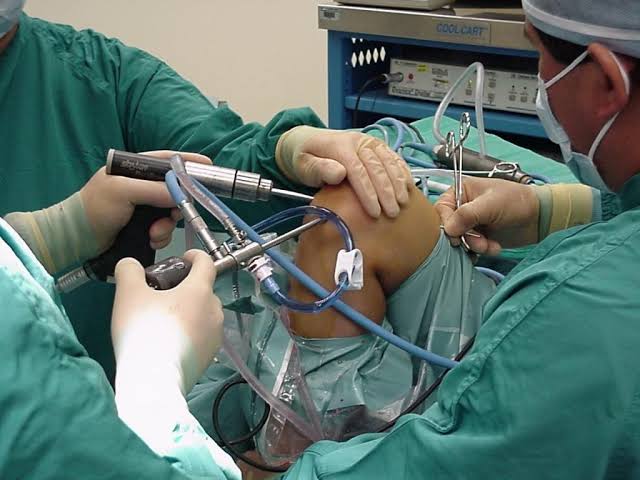
Some serious sports injuries may require surgery when they cause significant instability, structural damage, or persistent symptoms. Moreover, procedures such as arthroscopy can help doctors treat selected ligament, cartilage, meniscus, and tendon problems through small incisions.
Therefore, the surgeon first considers your injury, age, activity level, medical history, and recovery goals. In addition, the doctor explains the expected benefits, risks, recovery period, and rehabilitation requirements before recommending surgery.
Arthroscopic Sports Injury Treatment
Arthroscopy uses a small camera to help the surgeon examine the inside of a joint. Moreover, the surgeon can use specialized instruments through small openings to treat selected joint problems. Doctors commonly use arthroscopy for certain knee and shoulder injuries.
Therefore, this approach may help reduce tissue damage compared with some traditional surgical techniques. However, the suitability of arthroscopy depends on the specific injury and individual patient factors.
Rehabilitation After Sports Injury | Sports Injury Surgeon In Narsinghpur
Recovery does not end when pain decreases. Moreover, your muscles and joints may need time to regain strength, flexibility, coordination, and stability. A structured rehabilitation program can help you progress safely through different stages of recovery.
Therefore, follow your doctor’s and physiotherapist’s instructions carefully. In addition, gradual progression can reduce the risk of returning to intense activity too quickly. Your healthcare team can guide you on when to resume training and sports.
Why Choose a Sports Injury Surgeon In Narsinghpur?
Choosing the right specialist can help you receive focused care for your injury. Moreover, a sports injury surgeon understands the physical demands of athletic activities and active lifestyles. The doctor can evaluate your injury and discuss both surgical and non-surgical options when appropriate.
Therefore, patients can make informed decisions about their treatment. In addition, a personalized rehabilitation plan can support a gradual return to normal movement and physical activity.
Sports Injury Prevention Tips | Sports Injury Surgeon In Narsinghpur
You can reduce your risk of many sports injuries by following simple precautions. Moreover, proper preparation can help your body handle physical activity more effectively.
- Warm up before exercise.
- Use proper sports techniques.
- Wear suitable footwear and protective equipment.
- Increase training intensity gradually.
- Strengthen the muscles around your joints.
- Include flexibility exercises in your routine.
- Take adequate recovery time.
- Avoid training through severe pain.
- Stay hydrated during physical activity.
- Follow professional guidance after an injury.
Therefore, consistent injury-prevention habits can support safer and more enjoyable physical activity.