Asian Institute Of Advanced Surgeries


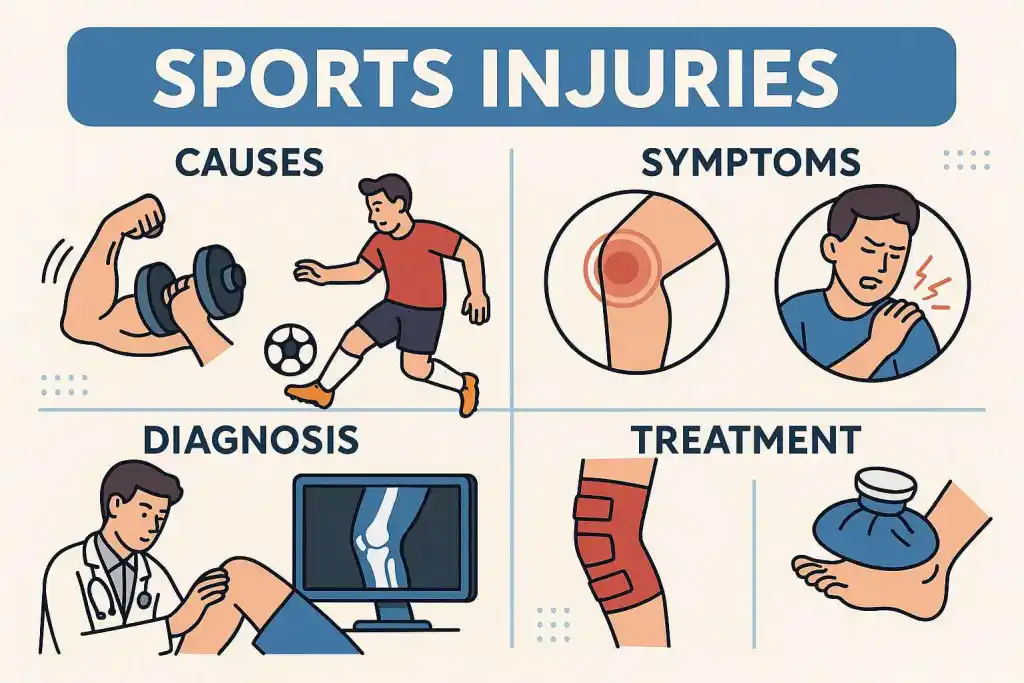
What Is a Sports Injury?
Sports Injury Centre In Nagpur
A sports injury can occur during exercise, training, sports, or physical activity. Moreover, poor technique, sudden movements, falls, overuse, or direct impact can increase the risk of injury.
Common sports injuries include:
- ACL injuries
- Meniscus tears
- Ankle sprains
- Shoulder injuries
- Rotator cuff injuries
- Tennis elbow
- Muscle strains
- Ligament injuries
- Tendon injuries
- Knee pain
- Joint dislocations
- Stress fractures
- Sports-related fractures
However, you should not ignore pain that continues after rest. Therefore, early assessment can help identify the cause and guide suitable treatment.
Sports Injuries We Treat
A modern Sports Injury Centre in Nagpur can provide care for many types of sports and activity-related problems. Moreover, doctors consider your symptoms, medical history, physical activity, and examination findings before recommending treatment.
ACL Injuries
The anterior cruciate ligament, or ACL, helps control knee movement. Moreover, sudden direction changes, jumping, twisting, or contact during sports can injure this ligament. Doctors may recommend physiotherapy, activity changes, or surgery depending on the injury and your goals.
Meniscus Injuries
The meniscus helps absorb shock inside the knee. However, twisting the knee during sports can cause a meniscus tear. Therefore, treatment may focus on pain control, rehabilitation, or arthroscopic surgery when appropriate.
Ankle Sprains
Ankle sprains often occur when the foot twists or rolls suddenly. In addition, athletes may develop swelling, bruising, and difficulty while walking. Early care and guided exercises can support recovery and help improve ankle stability.
Shoulder Injuries
Sports such as cricket, badminton, tennis, swimming, and volleyball can place repeated stress on the shoulder. Moreover, falls and sudden movements can cause shoulder instability, tendon problems, or other injuries. A specialist can assess the shoulder and suggest suitable treatment.
Muscle and Tendon Injuries
Sudden exercise or repeated activity can strain muscles and tendons. Therefore, proper rest, rehabilitation, stretching, and strength exercises can support healing. However, severe injuries may require further evaluation.
Symptoms That Need Medical Attention
Sports Injury Centre In Nagpur
Sports injuries can cause different symptoms depending on the affected tissue. Moreover, some injuries may appear mild at first but become worse when you continue physical activity.
Look for symptoms such as:
- Persistent pain
- Swelling around a joint
- Bruising
- Reduced joint movement
- Muscle weakness
- Joint instability
- Difficulty walking
- Pain during exercise
- A clicking or locking sensation
- Sudden loss of strength
Therefore, consult a sports injury specialist if symptoms continue or affect your normal activities. In addition, urgent evaluation can help when you experience severe pain, major swelling, visible deformity, or an inability to use the injured area.
Diagnosis of Sports Injuries
Doctors start with a detailed discussion about your injury and symptoms. Moreover, they examine the affected area and check movement, strength, stability, and tenderness.
Depending on your condition, the doctor may recommend imaging tests such as:
- X-ray
- Ultrasound
- MRI
- CT scan
However, doctors do not need every test for every injury. Therefore, your specialist selects tests based on your symptoms and examination findings. As a result, you can avoid unnecessary investigations and focus on the right treatment.
Sports Injury Treatment in Nagpur
Sports Injury Centre In Nagpur
Treatment depends on the type and severity of the injury. Moreover, your age, activity level, health, and return-to-sport goals can also affect the treatment plan.
Non-Surgical Treatment
Many sports injuries improve with non-surgical care. Therefore, your doctor may recommend:
- Rest and activity modification
- Ice or other pain-relief measures
- Physiotherapy
- Stretching exercises
- Strength training
- Balance exercises
- Bracing or support
- Gradual return to activity
In addition, physiotherapy can help improve strength, flexibility, balance, and joint movement. As a result, you can build better function before returning to sports.
Arthroscopic Surgery
Sports Injury Centre In Nagpur
Some injuries may require arthroscopic treatment. Moreover, doctors use small openings to insert a camera and specialised instruments into the joint. This approach can help treat selected knee, shoulder, ankle, and other joint problems.
However, surgery does not suit every sports injury. Therefore, your specialist evaluates your condition before recommending an operation.
Sports Injury Rehabilitation
Recovery does not end when pain improves. Moreover, proper rehabilitation helps restore strength, flexibility, balance, coordination, and movement.
A rehabilitation program may include:
- Gentle mobility exercises
- Muscle strengthening
- Balance training
- Joint stability exercises
- Sport-specific movements
- Gradual activity progression
- Return-to-sport testing
Therefore, follow your rehabilitation plan carefully. In addition, avoid returning to intense activity too quickly because the injured area may still need more time to regain strength.
Why Choose a Sports Injury Centre in Nagpur?
A specialised centre can provide focused care for people with activity-related injuries. Moreover, a coordinated approach can connect diagnosis, treatment, physiotherapy, and rehabilitation.
A good Sports Injury Centre in Nagpur should focus on:
- Accurate injury assessment
- Personalised treatment plans
- Modern diagnostic support
- Sports-focused rehabilitation
- Clear communication
- Gradual return to activity
- Long-term injury prevention
However, treatment should always match your individual condition. Therefore, discuss your symptoms and activity goals openly with your specialist.
Preventing Sports Injuries
You can reduce your risk of many sports injuries with simple habits. Moreover, proper preparation can help your muscles and joints handle physical activity better.
Follow these steps:
- Warm up before exercise.
- Use proper sports techniques.
- Increase training intensity gradually.
- Wear suitable protective equipment.
- Stay hydrated during activity.
- Give your body enough recovery time.
- Strengthen muscles around vulnerable joints.
- Follow proper stretching and mobility routines.
- Do not ignore ongoing pain.
- Return to sports gradually after an injury.
As a result, these habits can support safer and more consistent physical activity.
When Should You Visit a Sports Injury Specialist?
You should consider professional care when pain does not improve with rest or when an injury affects your movement. Moreover, repeated injuries may indicate weakness, poor movement patterns, or another underlying problem.
Seek medical advice if you notice persistent swelling, joint instability, repeated pain, reduced strength, or difficulty returning to your usual activities. Therefore, early evaluation can help you understand the injury and choose an appropriate recovery plan.
Your Recovery Starts With the Right Care
Sports injuries can interrupt your exercise, training, work, and everyday activities. However, the right treatment can help you work toward better movement and function.
At a Sports Injury Centre in Nagpur, specialists can assess your injury and create a treatment plan around your needs. Moreover, proper rehabilitation can help you regain strength and confidence. Therefore, do not let ongoing pain stop you from staying active.
If you have a sports injury, consult a qualified orthopedic or sports injury specialist for an appropriate evaluation and treatment plan.