Asian Institute Of Advanced Surgeries

Skin grafting Surgery In Nagpur
Welcome to the world of aesthetic transformation led by Dr. Siddharth Mendiratta. With a profound passion for the art and science of plastic surgery, Dr Siddharth Mendiratta is dedicated to helping individuals achieve their unique vision of beauty and confidence.
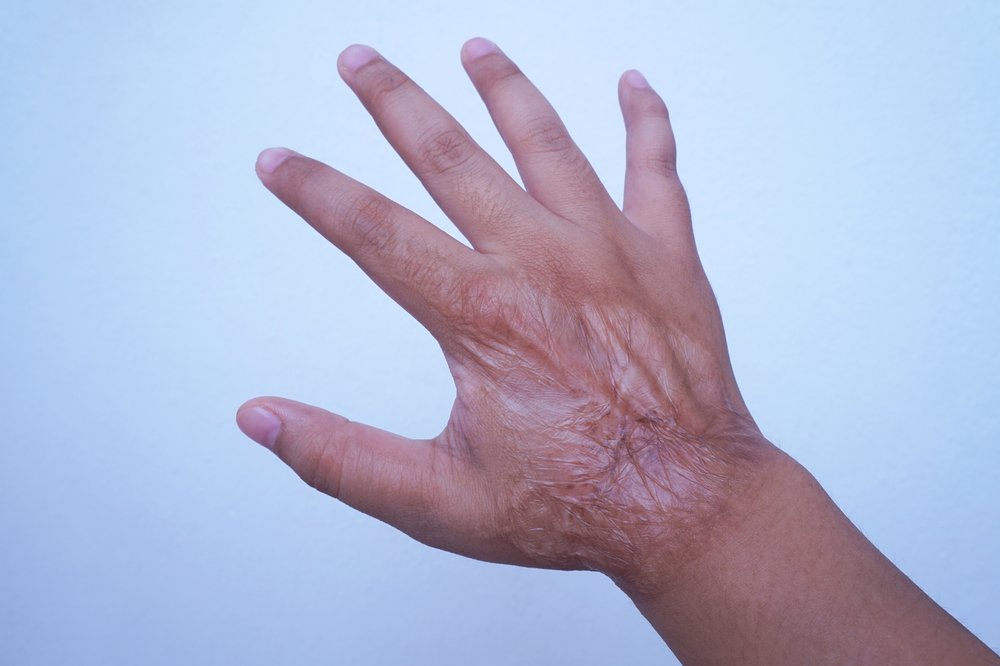
Skin grafting Surgery In Nagpur at Asian Institute of Advanced Surgeries (AIAS) may help people who have lost skin after burns, trauma, injuries, wounds, or selected surgical procedures. During skin grafting, surgeons take healthy skin from another part of the body and place it over the affected area to provide coverage and support healing. Dr. Siddharth Mendiratta carefully examines the wound or area of tissue loss before recommending treatment. He assesses the size and location of the affected area, tissue condition, wound status, overall health, previous treatment, and functional needs. Depending on the condition, skin grafting can provide coverage when the skin cannot close the wound adequately on its own. It may also form part of reconstructive treatment after burns or traumatic injuries. However, not every wound needs a skin graft. Dr. Siddharth Mendiratta determines whether grafting suits the patient’s condition after examining the affected area and understanding their treatment goals.
What Is Skin Grafting Surgery?
Skin grafting is a reconstructive procedure that uses healthy skin from one part of the body to cover an area where skin has been lost or severely damaged. By providing new skin coverage, the graft can help protect the affected area and support the healing process. The surgeon selects the donor site based on the amount of skin required, its suitability, and the location of the area needing coverage. Before surgery, Dr. Siddharth Mendiratta evaluates both the donor and recipient areas and explains how the procedure will address the skin defect. He also discusses the expected healing process, possible risks, scar formation, and aftercare requirements. This detailed planning helps patients understand the procedure and prepare for recovery.
When Is Skin Grafting Considered?
Skin grafting may be considered when significant skin loss prevents an area from healing or closing adequately on its own. For example, doctors may use grafting as part of reconstructive treatment after burns, traumatic injuries, wounds, or selected surgical procedures. The decision depends on the size and depth of the tissue defect, its location, wound condition, surrounding tissues, and the patient’s overall health. Therefore, Dr. Siddharth Mendiratta performs a detailed assessment before recommending skin grafting.
Skin grafting may be considered for:
• Selected burn injuries
• Skin loss after accidents or trauma
• Certain wounds that need additional coverage
• Areas with inadequate skin coverage
• Selected reconstructive procedures
• Tissue defects following some surgical treatments
Based on the assessment, Dr. Siddharth Mendiratta determines whether a skin graft can provide suitable coverage or whether another reconstructive approach may better meet the patient’s needs.
Burn Injuries For Skin Grafting Surgery In Nagpur
Serious burns can damage large areas of skin and leave wounds that need additional coverage during recovery. In such cases, skin grafting may form an important part of the reconstructive treatment plan. A graft can cover the affected area, protect underlying tissues, and support the healing process when the wound cannot close adequately on its own.
Dr. Siddharth Mendiratta carefully evaluates the burn-affected area, wound condition, surrounding tissues, and healing progress before recommending treatment. He also considers the size and location of the skin loss and the patient’s overall health. Based on these findings, he determines whether a skin graft can provide suitable coverage or whether another reconstructive approach may better address the patient’s needs.
Skin Grafting After Trauma - Skin Grafting Surgery In Nagpur
Accidents and traumatic injuries can cause significant skin loss and leave areas that need additional coverage. In such situations, skin grafting may help cover the wound when the surrounding skin cannot provide enough tissue for proper closure. The procedure can support wound healing while also protecting the underlying structures. Dr. Siddharth Mendiratta carefully assesses the size and location of the tissue loss, wound condition, surrounding skin, and functional requirements before recommending treatment. He also considers the patient’s overall health and previous treatment. Based on this assessment, he develops a suitable reconstructive plan that addresses the affected area’s specific needs.
Skin Grafting For Hand Injuries
The hand needs flexible and durable skin to support gripping, finger movement, sensation, and everyday activities. Therefore, skin loss in this area requires careful reconstructive planning to protect both coverage and function.
Dr. Siddharth Mendiratta evaluates the wound’s location, available tissue, finger and hand movement, surrounding structures, and tissue condition before recommending treatment. Depending on the injury, skin grafting may provide suitable coverage while the treatment plan also considers hand flexibility and functional needs. This approach helps address the skin defect while supporting the patient’s ability to use the hand during recovery.
Donor And Recipient Areas
Skin grafting involves two important areas: the donor site, where healthy skin is taken, and the recipient site, where the graft provides coverage. Therefore, both areas require careful planning before surgery. Dr. Siddharth Mendiratta evaluates the condition of the recipient site and selects a suitable donor area based on the amount and type of skin required.
After surgery, both sites need appropriate care to support healing. The graft must establish a healthy connection with the recipient area, while the donor site gradually heals. Dr. Siddharth Mendiratta explains the expected recovery, wound care, activity restrictions, and follow-up requirements. This guidance helps patients understand how to care for both areas during recovery.
Personalized Skin Grafting Planning For Skin Grafting Surgery In Nagpur
No two wounds are exactly the same, so Dr. Siddharth Mendiratta develops each skin grafting plan according to the patient’s individual condition.
• Size and location of the wound
• Depth and type of tissue loss
• Condition of the wound bed
• Quality of the surrounding skin
• Previous treatment or surgery
• Functional requirements
• Overall health and healing factors
• Availability of suitable donor skin
• Individual recovery needs
After reviewing these factors, Dr. Siddharth Mendiratta explains the recommended treatment approach in clear terms. He also discusses the expected recovery, possible risks, aftercare, and realistic outcomes so patients can make informed decisions about their treatment.
What Happens During A Skin Grafting Consultation?
The consultation begins with a detailed discussion about the injury, wound, burn, or condition that caused the skin loss. During the examination, Dr. Siddharth Mendiratta evaluates the affected area, surrounding tissues, wound condition, and available healthy tissue. He also considers the location of the skin loss and how it may affect movement or daily activities. If skin grafting is suitable, Dr. Siddharth Mendiratta explains the procedure, donor site, expected healing, recovery process, possible risks, and aftercare requirements. He also discusses realistic treatment expectations based on the patient’s condition. This clear and detailed approach helps patients understand their options and make informed decisions about their reconstructive care.
Recovery After Skin Grafting Surgery
Recovery after Skin Grafting Surgery In Nagpur depends on the size and location of the graft, condition of the recipient site, donor area, and individual healing response. Therefore, each patient may have a different recovery timeline. The treated area may need protection from pressure, friction, or excessive movement during the early healing stage. Depending on the graft location, Dr. Siddharth Mendiratta may also recommend specific exercises or rehabilitation to support movement and function. He provides personalized aftercare instructions based on the procedure and monitors both the graft and donor site during follow-up appointments. Following the recommended care plan can support healing and help patients gradually return to their usual activities.
Possible Risks Of Skin Grafting For Skin Grafting Surgery In Nagpur
Like any surgical procedure, Skin Grafting Surgery In Nagpur can involve certain risks. These may include infection, bleeding, swelling, scarring, changes in sensation, delayed healing, or problems with graft survival. The level of risk can vary based on the procedure, wound condition, graft location, overall health, and individual healing response. Before surgery, Dr. Siddharth Mendiratta discusses the relevant risks and explains factors that may affect recovery. He also provides clear guidance about expected healing, wound care, activity restrictions, and follow-up. This helps patients understand the procedure and make informed decisions about their reconstructive treatment.
Why Choose AIAS For Skin Grafting Surgery?
Before recommending skin grafting, Dr. Siddharth Mendiratta carefully evaluates the cause and extent of skin loss, the wound condition, and the patient’s functional needs.
The treatment approach includes:
• Detailed assessment of the affected area
• Evaluation of the wound and surrounding tissues
• Careful selection of donor and recipient sites
• Individualized surgical planning
• Clear explanation of suitable treatment options
• Realistic discussion of expected outcomes
• Personalized recovery and aftercare guidance
Based on these factors, Dr. Siddharth Mendiratta develops a treatment plan that considers the patient’s wound, functional requirements, overall health, healing potential, and recovery needs.
Recipient Site Assessment For Skin Grafting Surgery In Nagpur
The recipient site is the area that needs skin coverage after skin loss. Before grafting, Dr. Siddharth Mendiratta carefully evaluates this area to determine whether it can support the graft and heal properly. He examines the wound bed, surrounding skin and tissues, blood supply, and overall condition of the affected area.Based on these findings, he determines whether the recipient site is ready for grafting or needs additional treatment first. If further wound preparation is required, he addresses the underlying concerns before proceeding with the graft. This careful assessment helps create a suitable environment for graft healing and supports the overall goals of reconstruction.
Frequently Asked Questions (FAQ) For Skin Grafting Surgery In Nagpur
1. What is Skin Grafting Surgery In Nagpur?
Skin Grafting Surgery In Nagpur is a reconstructive procedure that uses healthy skin from one area of the body
2. When is skin grafting needed?
It may be considered when significant skin loss occurs after burns, trauma, wounds, or selected surgical conditions.
3. Can skin grafting treat burn injuries?
Yes. Skin grafting may be used as part of reconstructive treatment for selected burns that result in significant skin loss.
4. Where does the skin graft come from?
The skin is usually taken from a suitable donor area on the patient’s own body.
5. Can skin grafting be used for hand injuries?
Yes. In selected cases, skin grafting may provide coverage for areas of skin loss on the hand.