
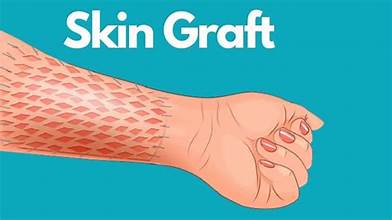
Skin Grafting Surgery
Understanding Skin Grafting Surgery
Skin grafting surgery is a reconstructive procedure used to restore skin coverage in areas where tissue has been damaged or lost. When injuries, burns, or surgical removal of diseased tissue leave exposed areas that cannot heal properly on their own, skin grafting can help protect and rebuild the affected region. Therefore, this procedure plays an important role in restoring both skin integrity and functional stability.
At Asian Institute Of Advanced Surgeries, skin grafting procedures are planned carefully after assessing the size, depth, and location of the damaged area. During the evaluation, Dr. Siddharth Mendiratta examines how the affected skin interacts with surrounding tissues and determines the most appropriate reconstructive approach. As a result, the surgical plan is designed to promote healing while preserving the natural appearance of the skin.
Furthermore, skin grafting allows healthy skin to be transferred to areas where healing has become difficult. Consequently, the graft helps restore protective coverage and supports the body’s natural recovery process. With proper planning and surgical precision, skin grafting surgery can significantly improve both functional recovery and skin structure.
Symptoms or When to Seek Care for Skin Grafting Surgery
Patients may require skin grafting surgery when wounds or injuries do not heal properly with standard care. For instance, deep burns, severe trauma, or extensive skin loss may leave areas that cannot regenerate naturally. Therefore, surgical reconstruction may be necessary to restore protective skin coverage.
In some situations, patients may notice that certain wounds remain open for extended periods or develop irregular healing patterns. Consequently, delayed healing may increase the risk of infection or tissue damage. Under these circumstances, medical evaluation becomes essential.
At Asian Institute Of Advanced Surgeries, Dr. Siddharth Mendiratta evaluates wounds that show signs of slow healing or structural damage. During the assessment, the doctor determines whether skin grafting may help restore the affected area effectively.
Seeking medical care early can also prevent complications that arise from prolonged wound exposure. Therefore, patients experiencing persistent wounds or large skin defects should consider professional consultation.
Causes or Risk Factors Leading to Skin Grafting Surgery
Skin grafting surgery is commonly required in situations where skin damage is extensive and natural healing is insufficient. Severe burn injuries represent one of the most frequent reasons for grafting procedures because they can destroy multiple layers of skin. As a result, surgical reconstruction may be necessary to restore coverage.
Traumatic injuries also contribute to the need for skin grafting. Accidents involving sharp objects, road incidents, or deep wounds may remove large sections of skin. Consequently, grafting procedures help protect the underlying tissue and promote healing.
In certain medical situations, surgical removal of diseased tissue may leave areas that require reconstruction. Therefore, skin grafting can help restore the protective barrier of the skin.
At Asian Institute Of Advanced Surgeries, Dr. Siddharth Mendiratta carefully evaluates the cause and extent of tissue damage before recommending grafting surgery. This approach ensures that the procedure addresses both the structural loss and the healing requirements of the patient.
Diagnostic Evaluation for Skin Grafting Surgery
A comprehensive evaluation is essential before performing skin grafting surgery. Initially, the consultation involves reviewing the patient’s medical history and understanding how the skin damage occurred. Therefore, this information helps determine the best timing and method for reconstruction.
Next, a physical examination assesses the size of the wound, the quality of surrounding skin, and the overall condition of the affected area. In certain cases, additional diagnostic tests may be recommended to evaluate blood supply and tissue health. Consequently, these assessments help ensure that the graft can integrate successfully.
During this stage, Dr. Siddharth Mendiratta carefully studies the wound environment and the availability of healthy donor skin. As a result, the surgical plan is designed to maximize graft survival and promote effective healing.
At Asian Institute Of Advanced Surgeries, diagnostic planning focuses on individualized treatment strategies so that each patient receives the most suitable reconstructive approach.
Treatment Options for Skin Grafting Surgery
Skin grafting surgery involves transferring healthy skin from one part of the body to another area where skin has been lost or damaged. The grafted skin acts as a protective layer that supports the healing of underlying tissues.
Different grafting techniques may be used depending on the condition being treated. Some procedures involve thin layers of skin that encourage faster healing, while others involve thicker grafts that provide stronger structural support. Consequently, the technique is selected based on the depth and size of the damaged area.
At Asian Institute Of Advanced Surgeries, Dr. Siddharth Mendiratta carefully chooses the grafting technique that best matches the patient’s condition. This personalized planning ensures that the reconstructed area integrates smoothly with surrounding skin.
Modern surgical methods also emphasize precise tissue handling to improve graft survival. As a result, patients often experience steady progress in healing following the procedure.
Benefits of Early Skin Grafting Surgery
Early skin grafting surgery can significantly improve the healing process when large wounds or burns are present. When damaged areas receive proper skin coverage at the appropriate time, the risk of infection and tissue complications may decrease. Therefore, timely intervention can support safer recovery.
Another benefit of early grafting involves improved wound stability. Once the graft attaches successfully, the treated area gains protective coverage that supports tissue regeneration. Consequently, patients may experience faster progress in healing.
At Asian Institute Of Advanced Surgeries, Dr. Siddharth Mendiratta evaluates wounds carefully to determine the ideal timing for grafting surgery. This approach helps ensure that the procedure is performed when conditions are most favorable for successful healing.
Early treatment may also contribute to improved cosmetic outcomes. As the grafted skin integrates with surrounding tissues, the overall appearance of the treated area may gradually improve.
Recovery and Rehabilitation After Skin Grafting Surgery
Recovery following skin grafting surgery involves careful monitoring of both the grafted area and the donor site. Initially, patients may notice mild swelling or temporary discomfort as the surgical regions begin to heal. However, these symptoms generally improve with appropriate care.
During the early healing phase, protecting the graft from unnecessary pressure or movement is essential. Therefore, patients receive detailed instructions regarding wound care and activity modifications.
At Asian Institute Of Advanced Surgeries, Dr. Siddharth Mendiratta closely monitors graft healing during follow-up evaluations. This supervision ensures that the graft integrates successfully and that any concerns are addressed promptly.
As the recovery process continues, the graft gradually becomes more stable and begins to adapt to surrounding tissues. Consequently, patients often observe steady improvement in skin coverage and overall comfort.
Preventive Care and Lifestyle Tips
After skin grafting surgery, maintaining proper skin care is essential for long-term results. Protecting the treated area from excessive sun exposure helps prevent changes in pigmentation and supports healthy skin recovery.
Patients are also encouraged to maintain balanced nutrition, as adequate nutrients help the body repair tissues effectively. Therefore, healthy dietary habits contribute to improved healing outcomes.
In addition, avoiding excessive strain on the grafted area during early recovery helps protect the surgical results. Gradual return to normal activities allows the skin to adapt safely.
At Asian Institute Of Advanced Surgeries, Dr. Siddharth Mendiratta provides patients with practical guidance on maintaining skin health after surgery. These preventive strategies help preserve the benefits of skin grafting treatment.
Why Choose Dr. Siddharth Mendiratta at Asian Institute Of Advanced Surgeries
Choosing an experienced specialist is an important factor in the success of skin grafting surgery. Accurate evaluation, careful surgical technique, and attentive post-operative care all contribute to effective treatment outcomes.
At Asian Institute Of Advanced Surgeries, Dr. Siddharth Mendiratta focuses on personalized treatment planning for each patient. Every case of skin damage presents unique challenges, and the surgical approach reflects these differences.
The institute also provides a structured clinical environment designed to support safe surgical procedures and detailed patient monitoring. As a result, patients receive comprehensive care throughout the treatment journey.
This coordinated approach allows individuals to feel confident about their treatment decisions while receiving expert reconstructive care.
Conclusion – Skin Grafting Surgery
Skin grafting surgery is an important reconstructive procedure that restores protective skin coverage when natural healing is not sufficient. Whether caused by burns, trauma, or surgical tissue removal, significant skin loss often requires specialized reconstruction to support recovery.
At Asian Institute Of Advanced Surgeries, Dr. Siddharth Mendiratta carefully evaluates each case to develop an individualized surgical plan. Through precise surgical techniques and attentive follow-up care, many patients experience improved healing and restored skin protection.
For individuals facing complex wounds or skin loss, professional evaluation can provide clarity about available reconstructive options and the path toward recovery.
FAQs – Skin Grafting Surgery
1. What is skin grafting surgery?
Skin grafting surgery is a procedure that transfers healthy skin from one area of the body to another area where skin has been lost or severely damaged.
2. When is skin grafting recommended?
It is typically recommended for severe burns, traumatic injuries, or wounds that cannot heal properly on their own.
3. How long does skin grafting surgery take to heal?
Healing time varies depending on the size of the graft and the patient’s overall health, although gradual recovery usually occurs over several weeks.
4. Will the grafted skin look the same as normal skin?
The graft may initially appear different, but it usually improves in appearance as healing progresses.
5. Where can patients consult for skin grafting surgery?
Patients can seek evaluation and treatment from Dr. Siddharth Mendiratta at Asian Institute Of Advanced Surgeries.
Book an Appointment with Dr. Siddharth Mendiratta
Patients experiencing structural changes due to injury, medical conditions, or previous surgeries may consider scheduling a consultation. An early evaluation helps determine whether reconstructive plastic surgery may provide functional or structural improvement.
During the appointment at Asian Institute Of Advanced Surgeries, Dr. Siddharth Mendiratta reviews the patient’s concerns and performs a detailed clinical assessment. Therefore, the consultation provides a clear understanding of the available treatment options.
In addition, patients have the opportunity to discuss recovery expectations and surgical planning. Consequently, this discussion allows individuals to make informed decisions about their healthcare.
Scheduling an appointment ensures that patients receive professional guidance and a structured treatment plan designed specifically for their condition.