
Shoulder Arthroscopy Procedure – Advanced Minimally Invasive Shoulder Surgery
The shoulder arthroscopy procedure By Dr. Abhishek Bhalotia, practicing at Asian Institute Of Advanced Surgeries,It is a minimally invasive surgical technique used to diagnose and treat various shoulder joint conditions. The shoulder is one of the most flexible joints in the human body, which allows a wide range of motion for daily activities such as lifting, reaching, and rotating the arm. However, injuries, inflammation, or structural damage can lead to shoulder pain and restricted movement. Therefore, shoulder arthroscopy is performed to examine and treat problems inside the joint using specialized instruments and a small camera.
At Asian Institute Of Advanced Surgeries, orthopaedic surgeon Dr. Abhishek Bhalotia provides advanced arthroscopic shoulder procedures designed to restore joint function and reduce pain. Through modern surgical techniques and precise diagnosis, patients can receive effective treatment with faster recovery.
What Is Shoulder Arthroscopy?
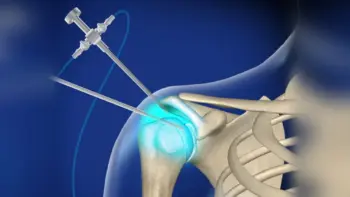
Shoulder arthroscopy is a minimally invasive procedure that uses a small camera called an arthroscope to view the inside of the shoulder joint. The arthroscope is inserted through small incisions in the skin. The camera sends images to a monitor, which allows the surgeon to clearly see the structures inside the joint.
Specialized surgical instruments are inserted through additional small incisions. As a result, the surgeon can repair or remove damaged tissues without making a large surgical cut.
Because the procedure is minimally invasive, patients often experience less tissue damage and faster recovery compared to traditional open surgery.
Conditions Treated with Shoulder Arthroscopy
Shoulder arthroscopy can treat a variety of shoulder problems that cause pain and limited mobility.
Rotator Cuff Tears
Rotator cuff injuries involve damage to the group of muscles and tendons that stabilize the shoulder. Arthroscopy allows surgeons to repair torn tendons with precision.
Shoulder Impingement
Shoulder impingement occurs when tendons become compressed during arm movement. Arthroscopic surgery can remove inflamed tissue and create more space for smooth motion.
Labral Tears
The labrum is a ring of cartilage that stabilizes the shoulder joint. Arthroscopy can repair or remove damaged portions of the labrum.
Shoulder Instability
Some individuals experience repeated shoulder dislocations due to joint instability. Arthroscopic procedures can tighten and repair the joint structures.
Frozen Shoulder
In certain cases, arthroscopy may be used to release tight joint capsule tissues that restrict movement.
Steps of the Shoulder Arthroscopy Procedure
The procedure is performed using advanced surgical equipment and typically follows several steps.
1. Anesthesia
The patient receives anesthesia to ensure comfort during the surgery. Depending on the condition, either general anesthesia or regional anesthesia may be used.
2. Small Incisions
The surgeon creates small incisions around the shoulder joint to insert the arthroscope and surgical instruments.
3. Joint Examination
The arthroscope provides clear images of the joint structures, including cartilage, ligaments, tendons, and bones. Consequently, the surgeon can accurately identify damaged tissues.
4. Surgical Repair
Special instruments are used to repair torn tissues, remove damaged structures, or smooth rough surfaces inside the joint.
5. Closure of Incisions
Once the procedure is complete, the small incisions are closed with sutures or sterile strips.
Benefits of Shoulder Arthroscopy
Shoulder arthroscopy offers several advantages compared to traditional open surgery.
Minimally Invasive Technique
Small incisions reduce damage to surrounding tissues.
Faster Recovery
Patients may recover more quickly due to less surgical trauma.
Reduced Pain and Scarring
Smaller incisions usually result in less postoperative discomfort and minimal scarring.
Accurate Diagnosis
The arthroscope allows surgeons to view the joint in detail.
Improved Shoulder Function
Many patients regain better shoulder movement after treatment.
Recovery After Shoulder Arthroscopy
Recovery after shoulder arthroscopy varies depending on the condition treated and the complexity of the procedure.
Early Rest and Support
Patients may use a sling for a short period to support the shoulder while initial healing occurs.
Physical Therapy
Rehabilitation exercises play an important role in restoring strength and mobility to the shoulder joint.
Gradual Activity Return
Patients gradually return to daily activities and sports as healing progresses.
Follow-Up Care
Regular follow-up visits allow the surgeon to monitor recovery and ensure proper joint healing.
Who May Need Shoulder Arthroscopy?
Shoulder arthroscopy may be recommended for individuals who experience:
- Persistent shoulder pain
- Limited shoulder movement
- Recurrent shoulder dislocations
- Rotator cuff injuries
- Labral tears
- Shoulder impingement syndrome
When non-surgical treatments such as medications and physical therapy do not provide sufficient relief, arthroscopy may help diagnose and treat the problem.
Shoulder Arthroscopy Treatment in Nagpur
Individuals experiencing persistent shoulder pain or mobility limitations may benefit from consulting an experienced orthopaedic specialist.
At Asian Institute Of Advanced Surgeries, Dr. Abhishek Bhalotia provides advanced arthroscopic shoulder procedures using modern orthopaedic techniques. The institute focuses on precise diagnosis, minimally invasive treatment options, and personalized rehabilitation plans.
Through comprehensive orthopaedic care and advanced surgical expertise, patients can restore shoulder function and return to daily activities with improved comfort.
Frequently Asked Questions (FAQs)
What is shoulder arthroscopy?
Shoulder arthroscopy is a minimally invasive surgical procedure used to diagnose and treat shoulder joint problems using a small camera and specialized instruments.
How long does shoulder arthroscopy take?
The procedure typically takes between 30 minutes and 2 hours depending on the condition being treated.
Is shoulder arthroscopy painful?
Patients receive anesthesia during the procedure. After surgery, mild discomfort may occur but is usually manageable with medication and rest.
How long does recovery take?
Recovery time varies depending on the type of repair performed. Physical therapy helps restore shoulder strength and mobility.
Where can I get shoulder arthroscopy treatment in Nagpur?
Patients can consult Dr. Abhishek Bhalotia at Asian Institute Of Advanced Surgeries, Nagpur for advanced shoulder arthroscopy and orthopaedic care.
Book Appointment with Dr. Abhishek Bhalotia at AIAS
If you are experiencing joint discomfort, restricted movement, or any musculoskeletal concerns, scheduling a consultation with Dr. Abhishek Bhalotia, MS Ortho, Fellow Joint Replacement (Hyd, UK), Robotic Joint Replacement Surgeon, can help you better understand your condition and explore appropriate care options. Early evaluation often helps patients address symptoms before they begin to interfere with everyday activities and mobility.
Consultations are available at Asian Institute of Advanced Surgeries (AIAS) in Nagpur, where patients receive a structured orthopaedic assessment focused on identifying factors affecting bone, joint, and movement health. During the visit, individuals can discuss their symptoms, medical history, lifestyle habits, and physical activity levels with Dr. Abhishek Bhalotia, ensuring a comprehensive evaluation and guidance toward suitable treatment options for improved joint function and mobility.