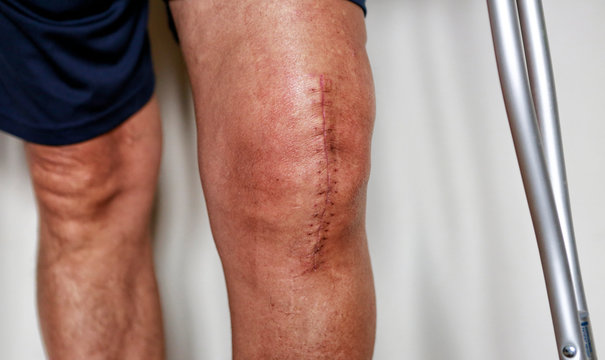
Knee pain can gradually affect walking, climbing stairs, exercising, and everyday independence. Moreover, some patients have damage limited to one specific part of the knee rather than the entire joint. Therefore, a Selective Knee Replacement Procedure In Nagpur may suit carefully selected patients with localized knee damage. In addition, an orthopedic specialist can assess your symptoms, imaging results, knee alignment, ligament stability, and activity goals before recommending treatment. However, selective replacement does not suit every patient with knee arthritis. As a result, detailed evaluation helps your surgeon determine whether partial or another form of knee replacement matches your condition.
What Is A Selective Knee Replacement Procedure?
A selective knee replacement focuses on the damaged compartment of the knee instead of replacing the entire joint. Moreover, surgeons may consider this approach when arthritis or cartilage damage remains limited to one compartment. Therefore, the procedure can preserve healthy portions of the knee when the patient’s condition allows it. In addition, the surgeon evaluates the remaining cartilage, ligaments, alignment, and overall joint health before recommending this option. However, patients with widespread joint damage may need a different procedure. As a result, careful patient selection remains essential for achieving an appropriate treatment plan.
Who May Need Selective Knee Replacement?
Selective knee replacement may help patients whose knee damage remains concentrated in a specific compartment. Moreover, doctors consider several clinical factors before recommending surgery. Therefore, your specialist may assess:
- Location of cartilage damage
- Severity of arthritis
- Knee alignment
- Ligament stability
- Remaining healthy cartilage
- Pain and stiffness
- Walking limitations
- Previous treatments
- Age and activity level
- Overall knee condition
In addition, your surgeon may use physical examination and imaging to understand the complete condition of your knee. As a result, personalized assessment helps identify suitable candidates.
Common Reasons For Selective Knee Replacement
Knee arthritis can affect different compartments of the joint. Moreover, some patients develop significant damage in one compartment while other areas remain relatively healthy. Therefore, a surgeon may consider selective replacement when localized arthritis causes persistent pain and functional limitations. In addition, previous knee injuries or certain patterns of cartilage degeneration can contribute to compartment-specific damage. However, your surgeon must confirm that the remaining knee structures can support the procedure. As a result, the treatment decision should depend on the overall condition of your knee rather than pain alone.
Symptoms That May Indicate Localized Knee Damage
Localized knee damage can cause symptoms during everyday movement. Moreover, symptoms may gradually increase as joint degeneration progresses. Therefore, consider an orthopedic evaluation if you experience:
- Persistent knee pain
- Pain during walking
- Difficulty climbing stairs
- Knee stiffness
- Reduced range of motion
- Joint swelling
- Pain during prolonged standing
- Difficulty performing daily activities
- Reduced walking tolerance
- Pain that continues despite conservative treatment
However, these symptoms can occur with several knee conditions. As a result, professional diagnosis remains important before considering replacement surgery.
How Doctors Diagnose The Need For Selective Replacement
An orthopedic specialist starts with your symptoms, medical history, previous treatments, and activity requirements. Moreover, the doctor examines knee movement, alignment, stability, and tenderness. Therefore, imaging such as weight-bearing X-rays can help identify the location and severity of joint damage. In addition, your surgeon may recommend further investigations when necessary. However, imaging alone does not determine whether selective replacement suits you. As a result, your specialist combines clinical findings, imaging, knee stability, and functional goals before recommending treatment.
Partial Knee Replacement And Selective Replacement
People often use the terms partial knee replacement and selective knee replacement when discussing compartment-specific knee treatment. Moreover, the procedure generally focuses on replacing damaged portions while preserving suitable healthy structures. Therefore, the exact surgical approach depends on the location and extent of joint damage. In addition, your surgeon considers ligament health, alignment, remaining cartilage, and overall knee function. However, terminology can vary between clinics and treatment discussions. As a result, patients should ask their orthopedic surgeon exactly which procedure they recommend and why it suits their knee.
Selective Replacement Versus Total Knee Replacement
Selective replacement addresses a limited area of knee damage, while total knee replacement addresses more extensive joint damage. Moreover, the choice depends on the distribution of arthritis and the condition of the remaining knee structures. Therefore, your surgeon may recommend selective replacement when damage remains localized and other important structures remain suitable. In addition, total replacement may provide a better option when arthritis affects multiple compartments. However, neither procedure automatically suits every patient. As a result, a detailed orthopedic evaluation should guide the final treatment choice.
Book An Appointment For Selective Knee Replacement Procedure In Nagpur
Localized knee damage can make everyday movement difficult and reduce your quality of life. Moreover, selective replacement may provide an option for carefully selected patients with compartment-specific joint damage. Therefore, if you are considering a Selective Knee Replacement Procedure In Nagpur, schedule a consultation with a qualified orthopedic specialist. In addition, bring previous X-rays, MRI reports, prescriptions, and medical records when available. However, your surgeon should evaluate your knee before recommending any procedure. As a result, personalized guidance can help you understand whether selective replacement, total replacement, or another treatment better matches your needs.
Frequently Asked Questions (FAQ)
Selective knee replacement procedure in Nagpur
Selective knee replacement procedure in Nagpur
Consult Our Experienced Orthopaedic Surgeon for Detailed Guidance