Asian Institute Of Advanced Surgeries


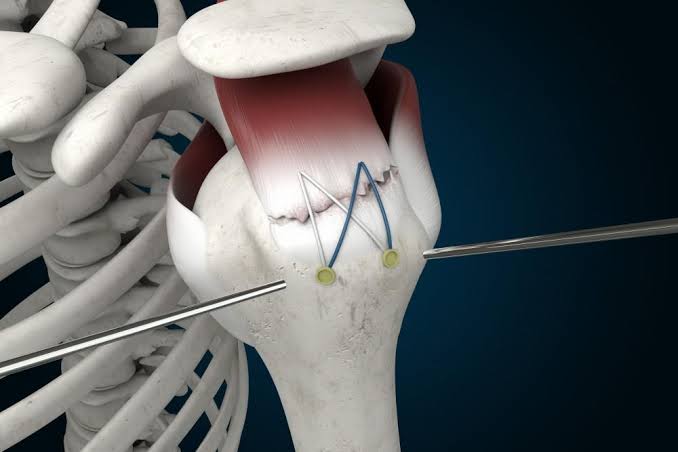
What Is a Rotator Cuff Injury?
When Should You See a Rotator Cuff Surgeon?
You should consider a consultation if shoulder pain continues despite rest or basic treatment. Moreover, you should seek an evaluation if you notice:
- Persistent shoulder pain
- Pain while lifting or lowering your arm
- Shoulder weakness
- Difficulty reaching overhead
- Pain that worsens at night
- Reduced shoulder movement
- Pain after a fall or sports injury
- Repeated shoulder discomfort
- Difficulty performing daily activities
- Sudden weakness after an injury
Therefore, early assessment can help prevent a minor shoulder problem from affecting your daily activities for a longer period.
Common Causes of Rotator Cuff Problems
Rotator Cuff Surgeon In Seoni
Several factors can contribute to rotator cuff pain and injuries. Moreover, repetitive shoulder movements can place repeated stress on the tendons. In addition, activities such as swimming, throwing, painting, lifting, and certain manual jobs can increase shoulder strain.
A sudden fall or direct impact can also cause a rotator cuff tear. However, tendon wear can develop gradually with age and may cause pain or weakness without a major injury. Therefore, a shoulder specialist should assess the symptoms before recommending a treatment plan.
Common Rotator Cuff Conditions
A Rotator Cuff Surgeon In Seoni may evaluate different conditions affecting the shoulder, including:
Rotator Cuff Tendinitis
Rotator cuff tendinitis can cause pain and irritation around the shoulder tendons. Moreover, repetitive movements can increase discomfort, especially during overhead activities. Treatment may include activity modification, physiotherapy, medication, and other non-surgical options depending on the condition.
Rotator Cuff Tear
A rotator cuff tear can develop gradually or occur after an injury. As a result, patients may experience pain, weakness, and difficulty moving the arm. Therefore, a surgeon may recommend imaging and assess the tear before choosing between conservative treatment and surgery.
Partial Rotator Cuff Tear
A partial tear does not completely divide the tendon. However, it can still cause pain and weakness. Moreover, treatment depends on the size of the tear, symptoms, functional limitations, and response to non-surgical care.
Complete Rotator Cuff Tear
A complete tear can significantly affect shoulder strength and movement. Therefore, patients with significant weakness or an injury-related tear may require a detailed surgical evaluation.
How Does a Rotator Cuff Surgeon Diagnose the Problem?
Rotator Cuff Surgeon In Seoni
Rotator Cuff Treatment In Seoni
Treatment depends on the type and severity of the rotator cuff problem. Moreover, many patients can improve with non-surgical treatment when the injury does not require surgery.
Your treatment plan may include:
- Activity modification
- Pain management
- Physiotherapy
- Shoulder-strengthening exercises
- Range-of-motion exercises
- Lifestyle adjustments
- Follow-up monitoring
- Surgical treatment when appropriate
Therefore, a rotator cuff specialist in Seoni can help you understand which option suits your condition.
Non-Surgical Treatment for Rotator Cuff Problems
Rotator Cuff Surgery
Rotator Cuff Surgeon In Seoni
A shoulder surgeon may use arthroscopic techniques for selected rotator cuff repairs. This minimally invasive approach uses small incisions and specialized instruments to access the shoulder. However, the appropriate surgical technique depends on the tear, tendon quality, associated shoulder problems, and individual patient factors.
Arthroscopic Rotator Cuff Repair
Recovery After Rotator Cuff Surgery
Recovery requires patience and active participation. Moreover, your surgeon and physiotherapist may create a rehabilitation program that gradually restores shoulder movement and strength.
Initially, you may need to protect the repaired tendon and follow specific movement restrictions. Therefore, you should follow your rehabilitation plan carefully. In addition, gradual strengthening can help restore shoulder function as healing progresses. Recovery time varies between patients and depends on factors such as tear size, repair type, general health, and rehabilitation progress.
Why Choose a Rotator Cuff Surgeon In Seoni?
Choosing an experienced shoulder specialist can help you receive a structured evaluation and personalized treatment plan. Moreover, a specialist can distinguish rotator cuff problems from other causes of shoulder pain, such as frozen shoulder, arthritis, instability, or other tendon conditions.
In addition, a comprehensive approach can help you understand your treatment options clearly. Therefore, patients can make informed decisions about conservative care, physiotherapy, injections when appropriate, or surgery.
Benefits of Early Rotator Cuff Evaluation
Ignoring persistent shoulder pain can affect your movement and daily activities. Moreover, continuing repetitive activities despite pain may increase discomfort and functional limitations.
Early evaluation allows a specialist to identify the likely cause and recommend appropriate care. Therefore, consider a consultation when shoulder pain continues, weakness develops, or an injury causes sudden changes in shoulder function.
Why Does Rotator Cuff Pain Get Worse At Night?
Many people notice more shoulder pain while sleeping. Moreover, lying on the affected shoulder can increase pressure around painful tissues. Certain sleeping positions can also place the shoulder in an uncomfortable position.
Therefore, a persistent night-time shoulder pain deserves proper evaluation, especially when it also causes weakness or restricted movement. A Rotator Cuff Surgeon In Seoni can assess the symptoms and identify possible causes.
Can Physiotherapy Help Rotator Cuff Problems?
Rotator Cuff Surgeon In Seoni
Physiotherapy can play an important role in managing many rotator cuff conditions. Moreover, a physiotherapist can guide exercises that improve shoulder mobility, muscle strength, and functional movement.
However, exercise selection should match your specific condition. Therefore, avoid starting intense shoulder exercises without professional guidance when you have significant pain, weakness, or a suspected tear.