Asian Institute Of Advanced Surgeries


A Rotator Cuff Surgeon in Rewa evaluates shoulder injuries and conditions that affect the rotator cuff tendons. In addition, the surgeon considers your symptoms, activity level, medical history, and scan reports before recommending treatment.
What Is a Rotator Cuff Injury?
The rotator cuff consists of four muscles and their tendons around the shoulder joint. These structures help you lift, rotate, and control your arm. Moreover, repeated overhead movements, sports activities, falls, or sudden injuries can damage these tendons.
A rotator cuff problem may cause pain, weakness, stiffness, or reduced shoulder movement. However, symptoms can vary depending on the type and severity of the injury. Therefore, an orthopedic evaluation can help identify the underlying problem.
Common Rotator Cuff Problems
A Rotator Cuff Surgeon in Rewa may evaluate several shoulder conditions, including:
- Rotator cuff tendinitis
- Partial rotator cuff tears
- Complete rotator cuff tears
- Shoulder impingement
- Tendon inflammation
- Shoulder weakness
- Repetitive-use shoulder injuries
- Sports-related shoulder injuries
- Traumatic tendon injuries
Moreover, some people develop symptoms gradually, while others experience sudden pain after an injury. Therefore, you should consider a medical evaluation when shoulder pain continues or affects your normal activities.
Symptoms of a Rotator Cuff Injury
Rotator cuff problems can produce different symptoms. In addition, symptoms may become more noticeable during certain movements or at night.
Common symptoms include:
- Shoulder pain while lifting the arm
- Pain while reaching overhead
- Weakness in the shoulder
- Difficulty reaching behind your back
- Reduced shoulder movement
- Pain while sleeping on the affected side
- Clicking or discomfort during movement
- Difficulty performing daily activities
However, not every shoulder pain problem comes from the rotator cuff. Therefore, a proper examination can help distinguish a rotator cuff injury from other shoulder conditions.
When Should You See a Rotator Cuff Surgeon?
You should consider seeing a Rotator Cuff Surgeon in Rewa when shoulder pain continues despite rest or begins to interfere with your daily activities. Moreover, persistent weakness or difficulty lifting your arm may indicate a tendon problem.
You should also seek an evaluation after a fall, sports injury, or sudden shoulder movement that causes significant pain. In addition, sudden weakness after an injury may require prompt assessment. As a result, early evaluation can help prevent the condition from affecting your shoulder function further.
Diagnosis of Rotator Cuff Injuries
A rotator cuff specialist begins with a detailed discussion about your symptoms and injury. Moreover, the doctor checks your shoulder movement, strength, tenderness, and stability during the physical examination.
Depending on your symptoms, the doctor may recommend imaging tests. These may include an X-ray, ultrasound, or MRI. However, each test provides different information about the shoulder. Therefore, your doctor selects imaging based on your symptoms and examination findings.
Rotator Cuff Treatment in Rewa
Treatment depends on the type, size, location, and severity of the rotator cuff problem. Moreover, your age, activity level, shoulder function, and overall health can also influence the treatment plan.
Non-Surgical Treatment
Many rotator cuff problems improve with non-surgical care. Therefore, your doctor may recommend:
- Activity modification
- Rest from painful movements
- Medicines when appropriate
- Physiotherapy
- Shoulder-strengthening exercises
- Flexibility exercises
- Gradual return to normal activities
In addition, physiotherapy can help improve shoulder strength, flexibility, and movement. However, you should perform exercises under appropriate professional guidance, especially when you have a significant tendon injury.
Rotator Cuff Surgery
Rotator Cuff Surgeon In Rewa
Some patients may require surgery when a significant tear causes persistent pain, weakness, or loss of shoulder function. Moreover, surgery may become an option when appropriate non-surgical treatment does not provide enough improvement.
A Rotator Cuff Surgeon in Rewa evaluates the tear and your individual needs before recommending surgery. Therefore, the treatment decision should focus on your symptoms, functional goals, tear characteristics, and overall shoulder health.
Arthroscopic Rotator Cuff Surgery
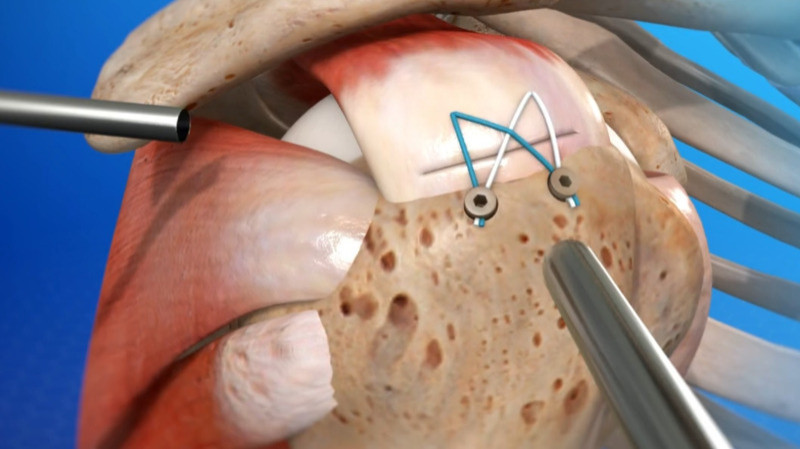
Arthroscopic surgery uses a small camera and specialized instruments to treat certain shoulder problems through small incisions. Moreover, this approach allows the surgeon to examine the shoulder joint and address suitable rotator cuff injuries.
The surgeon may repair the damaged tendon and address other problems within the shoulder when necessary. However, not every rotator cuff injury requires arthroscopic surgery. Therefore, your surgeon will determine the most suitable approach after evaluating your condition.
Recovery After Rotator Cuff Surgery
Rotator Cuff Surgeon In Rewa
Recovery varies from person to person. In addition, tendon healing and shoulder rehabilitation require time and consistent care.
After surgery, your doctor may recommend a structured rehabilitation program. Moreover, physiotherapy can gradually restore shoulder movement and strength. Therefore, following your rehabilitation plan and avoiding excessive shoulder strain can support your recovery.
Why Choose a Rotator Cuff Specialist in Rewa?
Choosing an experienced shoulder specialist can help you understand your condition and treatment options. Moreover, a specialist can evaluate whether your symptoms require conservative treatment, rehabilitation, further investigation, or surgery.
A patient-focused approach also considers your work, sports activities, daily routine, and recovery goals. Therefore, the treatment plan can focus not only on reducing pain but also on improving shoulder function.
Preventing Rotator Cuff Problems
You can reduce the risk of some shoulder injuries by maintaining good shoulder strength and flexibility. Moreover, proper technique during sports, exercise, and repetitive overhead activities can reduce unnecessary strain.
Consider these preventive steps:
- Warm up before exercise
- Strengthen the shoulder and upper back
- Use proper exercise techniques
- Avoid sudden increases in training intensity
- Take breaks during repetitive activities
- Maintain good posture
- Address recurring shoulder pain early
However, prevention cannot eliminate every risk because accidents and sudden injuries can occur. Therefore, seek medical advice when shoulder symptoms persist.
Why Early Treatment Matters
Rotator Cuff Surgeon In Rewa
Ignoring shoulder pain may affect your movement and daily activities over time. Moreover, persistent pain can make it harder to use the affected arm normally.
Early assessment helps identify the cause of your symptoms. Therefore, you can understand whether you need rest, physiotherapy, further testing, or another form of treatment. As a result, timely care can help you work toward better shoulder function