Shoulder pain can make lifting, reaching, dressing, sleeping, working, and exercising difficult. Moreover, rotator cuff problems can cause persistent pain, weakness, and restricted shoulder movement. Therefore, patients searching for a Rotator Cuff Surgeon In Raisen should seek a detailed orthopedic evaluation before choosing treatment. In addition, a shoulder specialist can assess your symptoms, muscle strength, range of motion, injury history, and imaging reports. As a result, you can understand the cause of your shoulder problem and explore treatment options that match your condition.
Rotator cuff care involves more than reducing pain. Moreover, different injuries can affect the tendons in different ways. Therefore, your orthopedic specialist may recommend physiotherapy, activity modification, medication, injections, or surgery according to the severity of the problem. In addition, rehabilitation can help restore shoulder strength and movement. As a result, personalized care can support your recovery and help you return to suitable daily activities.
What Is The Rotator Cuff?
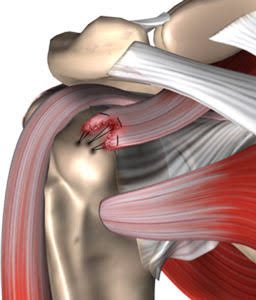
The rotator cuff consists of four muscles and their tendons that help stabilize and move the shoulder. Moreover, these structures help you raise, rotate, and control your arm during everyday activities. Therefore, damage to the rotator cuff can affect both strength and movement. In addition, repetitive overhead activity, sports, aging, or sudden trauma can contribute to rotator cuff problems. As a result, persistent shoulder symptoms deserve professional evaluation.
Why Consult A Rotator Cuff Surgeon In Raisen? | Best Arthroscopy Specialist Doctor In Raisen
Choosing the right specialist can make your shoulder treatment easier to understand. Moreover, rotator cuff problems can range from irritation and partial tears to significant tendon damage. Therefore, an orthopedic surgeon should evaluate the severity of your condition before recommending treatment. In addition, the specialist can explain both surgical and non-surgical options. As a result, you can choose a treatment pathway based on your symptoms, activity requirements, and recovery goals.
Common Rotator Cuff Problems
The rotator cuff can develop several types of problems. Moreover, similar symptoms can occur with different shoulder conditions. Therefore, proper diagnosis remains important before treatment. Common rotator cuff problems include:
- Rotator cuff tendinopathy
- Partial tendon tears
- Complete rotator cuff tears
- Degenerative tendon changes
- Shoulder impingement-related problems
- Traumatic rotator cuff injuries
- Recurrent shoulder pain
- Rotator cuff weakness
In addition, your orthopedic specialist can check for associated labral, cartilage, or joint problems when necessary.
Causes Of Rotator Cuff Injuries
Rotator cuff injuries can develop gradually or occur suddenly. Moreover, repeated shoulder movements can place stress on the tendons over time. Therefore, common causes may include:
- Repetitive overhead movements
- Sports activities
- Heavy lifting
- Sudden falls
- Direct shoulder injuries
- Repeated throwing
- Occupational strain
- Age-related tendon changes
- Poor movement mechanics
- Previous shoulder injuries
In addition, your specialist can assess your activities and injury history to understand the likely cause.
Symptoms Of A Rotator Cuff Injury
Rotator cuff problems can cause pain along with weakness and movement difficulties. Moreover, symptoms can interfere with work, exercise, sleep, and routine activities. Therefore, consider an orthopedic consultation if you experience:
- Shoulder pain
- Pain while raising the arm
- Night-time shoulder pain
- Weakness while lifting
- Difficulty reaching overhead
- Reduced shoulder movement
- Pain during sports
- Clicking or discomfort
- Difficulty carrying objects
- Shoulder pain after an injury
As a result, timely assessment can help identify the underlying problem and guide appropriate treatment.
Rotator Cuff Diagnosis In Raisen
Accurate diagnosis forms an important part of effective shoulder care. Moreover, your surgeon may ask about your symptoms, injury history, work activities, sports participation, and previous treatment. Therefore, the examination may include shoulder movement, strength, stability, and functional tests. In addition, your doctor may recommend X-rays, ultrasound, or MRI when clinically necessary. As a result, detailed evaluation can help identify tendon damage and associated shoulder problems.
Role Of MRI In Rotator Cuff Diagnosis
MRI can provide detailed information about soft tissues inside and around the shoulder. Moreover, it can help doctors assess selected rotator cuff injuries and associated structures. Therefore, your orthopedic specialist may recommend MRI when the clinical situation requires additional information. In addition, the doctor combines imaging findings with physical examination and medical history. As a result, MRI supports diagnosis but does not replace a complete orthopedic evaluation.
Rotator Cuff Treatment In Raisen
Treatment depends on the type of injury, severity, symptoms, age, activity level, and overall shoulder condition. Moreover, not every rotator cuff problem requires surgery. Therefore, your doctor may initially recommend conservative treatment when appropriate. In addition, treatment can include physiotherapy, activity modification, medication, strengthening exercises, or other suitable options. As a result, many patients can work toward improved shoulder function through a personalized treatment plan.
Non-Surgical Rotator Cuff Treatment
Many rotator cuff conditions can improve with appropriate non-surgical care. Moreover, treatment should address the underlying problem rather than focus only on pain. Therefore, your specialist may recommend:
- Physiotherapy
- Shoulder strengthening
- Flexibility exercises
- Activity modification
- Rest from aggravating activities
- Pain-management strategies
- Medication when appropriate
- Gradual return to activity
In addition, your doctor can monitor your progress and adjust the treatment plan according to your response.
When Does A Rotator Cuff Tear Need Surgery?
Not every rotator cuff tear requires an operation. Moreover, doctors consider the size and type of tear, symptoms, shoulder strength, functional limitations, activity requirements, and previous treatment. Therefore, surgery may become an option for selected patients with significant structural damage or persistent symptoms despite suitable conservative care. In addition, traumatic tears may require timely specialist assessment. As a result, an individualized evaluation helps determine whether surgery provides an appropriate treatment option.
Rotator Cuff Repair Surgery In Raisen
Rotator cuff repair surgery aims to restore selected torn tendons to their appropriate attachment. Moreover, surgeons choose the repair technique according to the tear pattern, tendon quality, shoulder anatomy, and associated problems. Therefore, your orthopedic surgeon will evaluate your condition carefully before recommending repair. In addition, rehabilitation forms an important part of recovery after surgery. As a result, suitable patients can work toward restoring shoulder strength, movement, and functional ability.
Arthroscopic Rotator Cuff Repair
Arthroscopic surgery uses a small camera and specialized instruments to examine and treat selected shoulder problems. Moreover, surgeons commonly use arthroscopic techniques for suitable rotator cuff repairs. Therefore, your surgeon can determine whether an arthroscopic approach suits your tear and overall shoulder condition. In addition, the procedure may allow the surgeon to assess associated structures inside the joint. As a result, selected patients can follow a focused surgical and rehabilitation plan.
Book An Appointment With The Best Arthroscopy Specialist Doctor In Raisen
Persistent shoulder pain and weakness can affect your work, sleep, exercise, and quality of life. Moreover, early orthopedic evaluation can help identify the underlying rotator cuff problem and explain suitable treatment options. Therefore, if you are searching for a Rotator Cuff Surgeon In Raisen, schedule a consultation with a qualified orthopedic shoulder specialist.
In addition, bring previous X-rays, MRI reports, prescriptions, and relevant medical records when available. As a result, your surgeon can review your history and recommend an appropriate treatment pathway.
Frequently Asked Questions (FAQ) -
Consult Our Experienced Orthopaedic Surgeon for Detailed Guidance