
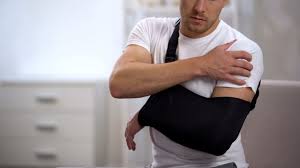
Rotator Cuff Surgeon In Hoshangabad (Narmadapuram)
Finding the Rotator Cuff Surgeon In Hoshangabad (Narmadapuram) is essential for patients experiencing persistent shoulder pain, weakness, or restricted mobility. The rotator cuff comprises four tendons and muscles that stabilize the shoulder joint and enable smooth arm movement. Injuries to these tendons—caused by trauma, repetitive strain, or degeneration—can significantly affect daily activities like lifting, reaching, or even sleeping comfortably. Early consultation ensures proper diagnosis, targeted treatment, and effective recovery while preventing further damage.
At Asian Institute of Advanced Surgeries (AIAS), Dr. Siddharth Jain provides expert evaluation and treatment for rotator cuff injuries. His approach combines detailed physical assessment, imaging studies, and modern arthroscopic techniques to repair damaged tendons, reduce pain, and restore shoulder function. Patients receive personalized care plans tailored to their activity level, lifestyle, and specific shoulder condition.
Understanding Rotator Cuff Injuries
These structures work together to stabilize the shoulder and facilitate smooth arm movements. Injuries occur due to acute trauma, repetitive overhead activities, or age-related wear and tear.
Symptoms often include shoulder pain, weakness during lifting or rotation, limited motion, and sometimes a clicking or popping sensation. Consulting a Rotator Cuff Surgeon In Hoshangabad (Narmadapuram) early helps prevent worsening of the injury, reduces the risk of chronic pain, and ensures that the tendon heals effectively. Proper diagnosis allows treatment plans to focus on restoring stability, flexibility, and function.
Common Causes of Rotator Cuff Tears
A Rotator Cuff Surgeon In Hoshangabad (Narmadapuram) treats tears caused by several factors. Repetitive overhead movements in sports or work can gradually damage the tendons, while sudden trauma, like a fall or collision, can cause acute tears. Age-related degeneration also weakens tendons, making them more prone to injury.
Other contributing factors include poor posture, muscle imbalance, and lifting heavy objects without proper technique. Understanding the underlying cause of the injury enables the surgeon to create a precise treatment plan that addresses both the immediate damage and preventive strategies to avoid future injuries.
Symptoms Indicating Rotator Cuff Damage
Common symptoms leading patients to consult the Rotator Cuff Surgeon In Hoshangabad (Narmadapuram) include persistent shoulder pain, especially when lifting or rotating the arm, weakness, reduced range of motion, tenderness, and sometimes grinding or popping sounds. Pain may worsen at night or interfere with sleep.
When these symptoms persist despite rest, medications, or basic therapy, specialist assessment is essential. Prompt evaluation prevents further tendon damage, reduces the risk of chronic stiffness, and increases the likelihood of full recovery through surgical or non-surgical intervention.
Diagnosis and Evaluation
Diagnosis begins with a thorough physical examination to assess muscle strength, joint stability, and movement patterns. The Rotator Cuff Surgeon In Hoshangabad (Narmadapuram) examines the shoulder for tenderness, swelling, and signs of tear or inflammation.
Imaging studies, including X-rays, MRI, and ultrasound, are used to evaluate the severity of tendon tears, detect tissue degeneration, and assess overall joint health. These evaluations help in creating a personalized treatment plan that can include conservative therapy or surgical repair, depending on the injury.
Non-Surgical Treatment Options
Not all rotator cuff injuries require surgery. A Rotator Cuff Surgeon In Hoshangabad (Narmadapuram) may recommend conservative care such as physiotherapy to strengthen shoulder muscles, anti-inflammatory medications, rest, activity modification, or corticosteroid injections for inflammation.
These measures often reduce pain, restore mobility, and strengthen surrounding tissues. Patients with partial tears or early degeneration typically benefit from non-surgical treatment, especially when combined with a structured exercise and rehabilitation program.
Arthroscopic Rotator Cuff Repair
For complete or severe tears, arthroscopic repair is often recommended. A Rotator Cuff Surgeon In Hoshangabad (Narmadapuram) performs this minimally invasive procedure using small incisions, a camera, and specialized instruments to repair torn tendons precisely.
Benefits include smaller incisions, reduced pain, faster recovery, and minimal disruption to surrounding tissues. Arthroscopy allows targeted repair of damaged tendons while promoting faster functional recovery and reducing complications associated with traditional open surgery.
Shoulder Rehabilitation
Recovery after rotator cuff treatment requires a structured physiotherapy program. The Rotator Cuff Surgeon In Hoshangabad (Narmadapuram) emphasizes gradual exercises to restore range of motion, strengthen muscles, and enhance shoulder stability.
Rehabilitation progresses from gentle motion exercises to strengthening and functional training, ensuring safe return to daily activities or sports. Consistent adherence to the program maximizes recovery outcomes and reduces the risk of re-injury.
Why Choose Dr. Siddharth Jain
Patients seeking the Rotator Cuff Surgeon In Hoshangabad (Narmadapuram) trust Dr. Siddharth Jain for his expertise in shoulder injuries and modern arthroscopic techniques. At AIAS, Dr. Siddharth Jain provides thorough evaluation, customized treatment plans, and structured rehabilitation.
His approach ensures optimal recovery, minimizes pain, and restores shoulder strength and mobility. Patients benefit from evidence-based care tailored to their specific injury, lifestyle, and activity level, achieving long-term functional improvement.
Frequently Asked Questions – Rotator Cuff Surgeon In Hoshangabad (Narmadapuram)
1. What is a rotator cuff injury?
A rotator cuff injury involves damage to the tendons and muscles that stabilize the shoulder joint, causing pain, weakness, and limited mobility.
2. Do all rotator cuff tears require surgery?
No. Mild or partial tears often improve with physiotherapy, medication, and activity modification.
3. What is arthroscopic rotator cuff repair?
It is a minimally invasive procedure using small incisions and a camera to repair torn tendons precisely.
4. How long is recovery after rotator cuff surgery?
Recovery can take several weeks to months, depending on tear severity and adherence to rehabilitation.
5. How can I prevent rotator cuff injuries?
Regular strengthening, proper posture, warm-up exercises, and avoiding repetitive overhead strain can reduce the risk.
Book Appointment with Dr. Siddharth Jain at AIAS – Rotator Cuff Surgeon In Hoshangabad (Narmadapuram)
If you are experiencing joint discomfort, restricted movement, or any musculoskeletal concerns, scheduling a consultation with Dr. Siddharth Jain can help you better understand your condition and explore appropriate care options. Early evaluation often helps patients address symptoms before they begin to interfere with everyday activities and mobility.
Consultations are available at Asian Institute of Advanced Surgeries (AIAS) in Nagpur, where patients receive a structured orthopaedic assessment focused on identifying factors affecting bone, joint, and movement health. During the visit, individuals can discuss their symptoms, medical history, lifestyle habits, and physical activity levels.