Asian Institute Of Advanced Surgeries


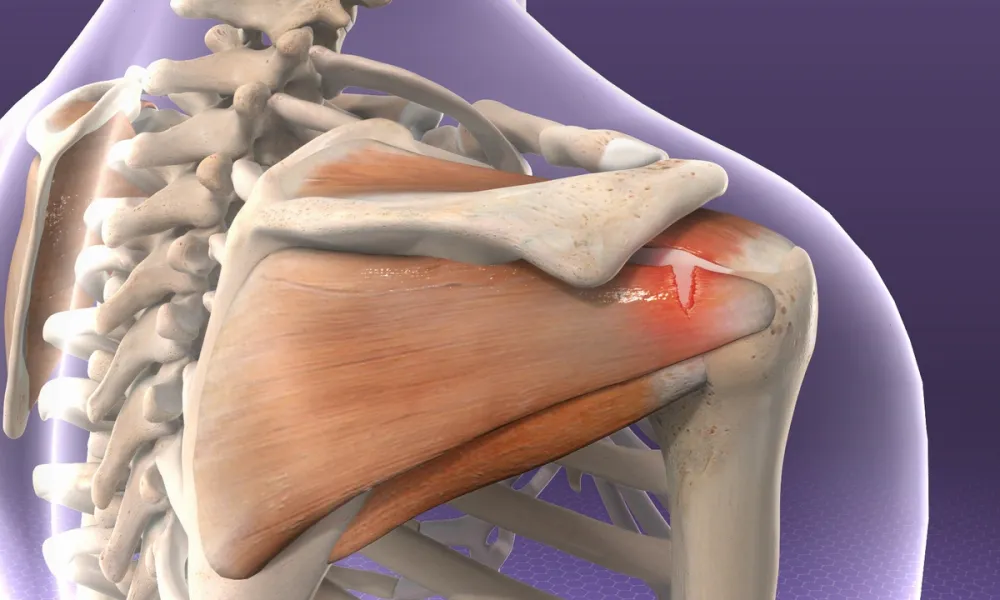
What Is the Rotator Cuff?
The rotator cuff includes four muscles and their tendons around the shoulder joint. These structures help stabilise the shoulder and support movements such as lifting and rotating the arm. However, overuse, ageing, sports injuries, falls, or sudden trauma can damage these tendons.
Moreover, rotator cuff problems can range from inflammation and irritation to partial or complete tendon tears. Therefore, an accurate clinical assessment plays an important role in choosing the right treatment.
Common Rotator Cuff Problems
A shoulder specialist may treat several conditions involving the rotator cuff, including:
- Rotator cuff tears
- Partial tendon tears
- Complete tendon tears
- Tendon inflammation
- Shoulder impingement
- Repetitive-use shoulder injuries
- Sports-related shoulder injuries
- Shoulder weakness and pain
- Chronic shoulder stiffness
- Traumatic shoulder injuries
In addition, some patients may experience more than one shoulder problem at the same time. Therefore, a detailed examination can help identify the main source of pain and movement difficulty.
Symptoms That May Need Specialist Evaluation
Rotator cuff problems can cause different symptoms depending on the severity and cause of the injury. Moreover, symptoms may develop gradually or appear suddenly after an injury.
Common symptoms include:
- Shoulder pain during movement
- Pain while lifting the arm
- Weakness in the affected shoulder
- Difficulty reaching overhead
- Pain while sleeping on the affected side
- Reduced shoulder movement
- Clicking or discomfort during movement
- Difficulty performing daily activities
However, persistent shoulder pain does not always indicate a rotator cuff tear. Therefore, consult a qualified shoulder specialist for an appropriate evaluation instead of relying on self-diagnosis.
When Should You See a Rotator Cuff Surgeon?
Consider a consultation if shoulder pain continues despite rest or affects your daily activities. Moreover, sudden weakness after a fall, sports injury, or lifting incident may require prompt medical assessment.
A Rotator Cuff Surgeon in Gondia can evaluate your symptoms and recommend suitable investigations when necessary. In addition, early assessment can help identify tendon damage and prevent you from ignoring symptoms that may worsen over time.
Diagnosis of Rotator Cuff Injuries
Your surgeon may begin with a detailed discussion about your symptoms, injury history, activity level, and previous treatments. Moreover, a physical examination can assess shoulder strength, movement, tenderness, and stability.
Your doctor may recommend imaging tests when needed. These tests can include X-rays, ultrasound, or MRI depending on your symptoms and clinical findings. Therefore, the diagnostic approach depends on your individual condition rather than a single standard test.
Rotator Cuff Treatment in Gondia
Treatment depends on the type of injury, tendon damage, symptoms, activity requirements, and overall shoulder function. Moreover, not every rotator cuff problem requires surgery.
Your treatment plan may include:
- Activity modification
- Rest from aggravating activities
- Medicines when appropriate
- Physiotherapy
- Shoulder-strengthening exercises
- Mobility exercises
- Injections in selected cases
- Surgical treatment for suitable patients
Therefore, a shoulder specialist can help you understand which approach suits your condition.
When Does Rotator Cuff Surgery Become Necessary?
Some patients improve with non-surgical treatment. However, surgery may become an option when a significant tear causes persistent pain, weakness, or functional difficulty despite appropriate conservative care.
Surgery may also suit selected patients with traumatic tears, significant tendon damage, or symptoms that interfere with work, sports, or daily activities. Moreover, your surgeon will consider your age, activity level, tendon condition, and overall health before recommending surgery.
Rotator Cuff Surgery
Rotator cuff surgery aims to address damaged tendon tissue and improve shoulder function in suitable patients. Moreover, surgeons may use minimally invasive techniques such as shoulder arthroscopy for selected conditions.
During arthroscopic surgery, the surgeon uses small incisions and a camera to view structures inside the shoulder. Therefore, the surgeon can assess the joint and perform appropriate treatment based on the findings.
However, the exact procedure varies according to the type and extent of the rotator cuff injury. Your surgeon will explain the recommended procedure before treatment.
Recovery After Rotator Cuff Surgery
Recovery requires patience and a structured rehabilitation plan. Moreover, your surgeon and physiotherapist may guide you through different stages of recovery.
Early rehabilitation generally focuses on protecting the shoulder and maintaining suitable movement. Later, exercises can gradually improve strength, flexibility, and shoulder function. Therefore, following your rehabilitation plan can support a safe return to daily activities.
Recovery time varies between patients. However, factors such as tear size, surgical procedure, overall health, and rehabilitation progress can influence recovery.
Why Choose a Rotator Cuff Surgeon in Gondia?
Choosing a specialised shoulder surgeon can help you receive focused evaluation and treatment for rotator cuff problems. Moreover, a specialist can assess both your symptoms and functional requirements before recommending treatment.
In addition, local access to specialist care can make consultations, follow-ups, and rehabilitation easier. Therefore, patients in Gondia and nearby areas can seek timely shoulder evaluation without unnecessary delays.