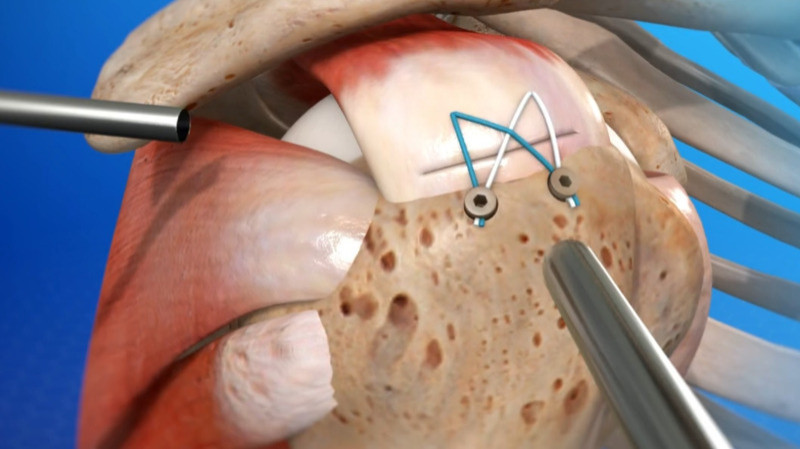
Shoulder pain can make lifting, reaching, dressing, sleeping, and exercising difficult. Moreover, a rotator cuff injury can affect shoulder strength and limit your everyday movement. Therefore, people searching for Rotator Cuff Repair Surgery In Nagpur should consult an experienced orthopedic specialist for a detailed shoulder evaluation. In addition, modern diagnostic methods can help identify tendon tears and related shoulder problems. However, not every rotator cuff injury requires surgery. As a result, your specialist can recommend physiotherapy, medication, activity modification, injections, or surgical repair according to your symptoms, imaging findings, activity level, and recovery goals.
What Is a Rotator Cuff?
The rotator cuff consists of four muscles and their tendons that help stabilize and move the shoulder. Moreover, these structures support movements such as lifting, rotating, and reaching. Therefore, repetitive overhead activity, sports, falls, or age-related tendon changes can affect the rotator cuff. In addition, a tendon injury can cause pain, weakness, and restricted shoulder movement. However, symptoms can vary significantly between individuals. As a result, an orthopedic examination can help identify the cause and severity of your shoulder problem.
What Is a Rotator Cuff Tear?
A rotator cuff tear occurs when a tendon develops partial or complete damage. Moreover, sudden injuries can cause an acute tear, while repeated stress can contribute to gradual tendon damage. Therefore, people may experience pain while lifting the arm, weakness, or difficulty performing overhead activities. In addition, some patients notice night pain that interferes with sleep. However, shoulder pain does not always indicate a rotator cuff tear. As a result, your doctor may use physical examination and imaging to confirm the diagnosis.
Common Causes of Rotator Cuff Injuries
Rotator cuff problems can develop from sudden trauma or repeated shoulder stress. Moreover, certain occupations and sports involve frequent overhead movements that can place additional strain on the shoulder. Therefore, common causes include:
- Falls onto the shoulder or arm
- Sports injuries
- Repeated overhead movements
- Heavy lifting
- Sudden pulling movements
- Shoulder dislocation
- Age-related tendon changes
- Repetitive occupational activity
In addition, previous shoulder injuries can increase the need for careful evaluation. As a result, timely diagnosis can help identify suitable treatment options.
Symptoms of a Rotator Cuff Tear
Rotator cuff injuries can produce symptoms that affect both movement and daily comfort. Moreover, symptoms may gradually develop or appear suddenly after an injury. Therefore, consider an orthopedic evaluation if you experience:
- Shoulder pain
- Pain while lifting the arm
- Shoulder weakness
- Difficulty reaching overhead
- Pain while sleeping
- Reduced shoulder movement
- Difficulty dressing
- Pain during sports
- Clicking or discomfort
- Difficulty lifting objects
In addition, persistent symptoms deserve professional assessment. As a result, early evaluation can help identify the underlying shoulder condition.
How Doctors Diagnose Rotator Cuff Problems
An orthopedic specialist begins by discussing your symptoms, injury history, daily activities, and previous treatments. Moreover, the doctor examines shoulder movement, strength, stability, and tenderness. Therefore, imaging can provide additional information when necessary. In addition, an X-ray can help identify bone-related changes, while MRI or ultrasound can help assess selected tendon and soft-tissue problems. However, your doctor chooses investigations according to your symptoms and clinical findings. As a result, a comprehensive evaluation helps guide an appropriate treatment plan.
Rotator Cuff Treatment Options
Treatment depends on the severity of the tear, symptoms, activity requirements, and overall shoulder condition. Moreover, doctors often consider conservative care before recommending surgery when appropriate. Therefore, treatment may include:
- Activity modification
- Physiotherapy
- Strengthening exercises
- Mobility exercises
- Pain-management strategies
- Medication when appropriate
- Injections in selected cases
- Rotator cuff repair surgery for suitable patients
In addition, your orthopedic specialist can monitor your progress and adjust treatment according to your response. As a result, you can follow a personalized recovery pathway.
When Do You Need Rotator Cuff Repair Surgery?
Not every rotator cuff tear requires surgery. Moreover, your specialist considers several clinical factors before recommending repair. Therefore, surgery may become an option when a suitable patient has:
- A significant rotator cuff tear
- Persistent pain despite appropriate conservative treatment
- Shoulder weakness that limits daily activities
- Difficulty performing work or sports activities
- An acute traumatic tear
- Progressive symptoms
- Functional limitations caused by the tear
In addition, your age, activity level, tendon condition, and associated shoulder problems can influence the decision. However, only a detailed orthopedic evaluation can determine whether surgery suits your condition.
Book an Appointment for Rotator Cuff Repair Surgery In Nagpur
Persistent shoulder pain or weakness can affect your work, sleep, exercise, and everyday independence. Moreover, accurate diagnosis can help determine whether you need physiotherapy, medication, activity modification, injections, or surgery. Therefore, if you are considering Rotator Cuff Repair Surgery In Nagpur, schedule a consultation with an experienced orthopedic specialist. In addition, bring your MRI scans, X-rays, prescriptions, and previous medical reports if available. However, seek timely evaluation when severe pain, significant weakness, or movement loss continues. As a result, professional guidance can help you understand your treatment choices and recovery expectations.
Frequently Asked Questions (FAQ)
Rotator cuff repair surgery in Nagpur
Rotator cuff repair surgery in Nagpur