Asian Institute Of Advanced Surgeries


What Is a Rotator Cuff Injury?
Common Symptoms of a Rotator Cuff Injury
Rotator cuff problems can cause different symptoms. The severity often depends on the type and extent of the injury.
Common signs include:
- Shoulder pain
- Pain while lifting the arm
- Weakness in the affected shoulder
- Difficulty reaching overhead
- Pain while sleeping on the affected side
- Reduced shoulder movement
- Clicking or crackling sounds
- Difficulty performing daily activities
- Pain after repetitive shoulder movements
Moreover, some people experience pain that becomes worse at night. Therefore, persistent discomfort can affect both sleep and daily routine.
What Causes Rotator Cuff Injuries?
Several factors can increase the risk of a rotator cuff problem. Therefore, understanding the cause can help you protect your shoulder.
Common causes include:
- Sports injuries
- Falls or direct shoulder trauma
- Repeated overhead activities
- Heavy lifting
- Poor shoulder mechanics
- Repetitive work movements
- Age-related tendon changes
- Sudden force during physical activity
Moreover, athletes who regularly play cricket, tennis, badminton, swimming, or other overhead sports may place extra stress on the shoulder. However, people who perform repetitive work can also develop similar problems.
Types of Rotator Cuff Injuries
A specialist may identify different types of rotator cuff problems after examining your shoulder.
Rotator Cuff Tendinitis
Tendinitis causes irritation and swelling around a tendon. Moreover, repetitive shoulder movements can increase irritation. Rest, activity changes, medicines, and physiotherapy may help many patients.
Partial Rotator Cuff Tear
A partial tear damages part of the tendon without completely separating it from the bone. Therefore, treatment depends on the tear size, symptoms, activity level, and shoulder function.
Complete Rotator Cuff Tear
A complete tear can separate the tendon from its attachment. However, not every complete tear requires surgery. An orthopedic specialist considers several factors before recommending treatment.
Rotator Cuff Strain
A strain can affect the muscles or tendons around the shoulder. Moreover, sudden movements or excessive physical activity can trigger this problem.
When Should You See an Orthopedic Specialist?
You should consider an orthopedic evaluation when shoulder pain continues or affects your normal activities. Therefore, seek professional advice if you experience persistent pain, weakness, or reduced movement.
You should also seek evaluation after a fall or sudden injury if you cannot lift your arm normally. Moreover, night pain can indicate a shoulder problem that needs assessment.
Early evaluation can help identify the cause. As a result, you can start suitable treatment before the problem affects your shoulder function further.
Diagnosis | Rotator Cuff Injury Treatment In Nagpur
Your orthopedic specialist will first discuss your symptoms and injury history. Moreover, the doctor may check your shoulder movement, strength, tenderness, and stability.
The doctor may recommend imaging tests when necessary. These tests can include:
- X-ray
- Ultrasound
- MRI scan
An X-ray can help identify bone problems and other shoulder conditions. However, an MRI can provide more detailed information about tendons and soft tissues. Ultrasound can also help assess tendon movement and tears.
Therefore, your doctor selects tests according to your symptoms and examination findings.
Non-Surgical
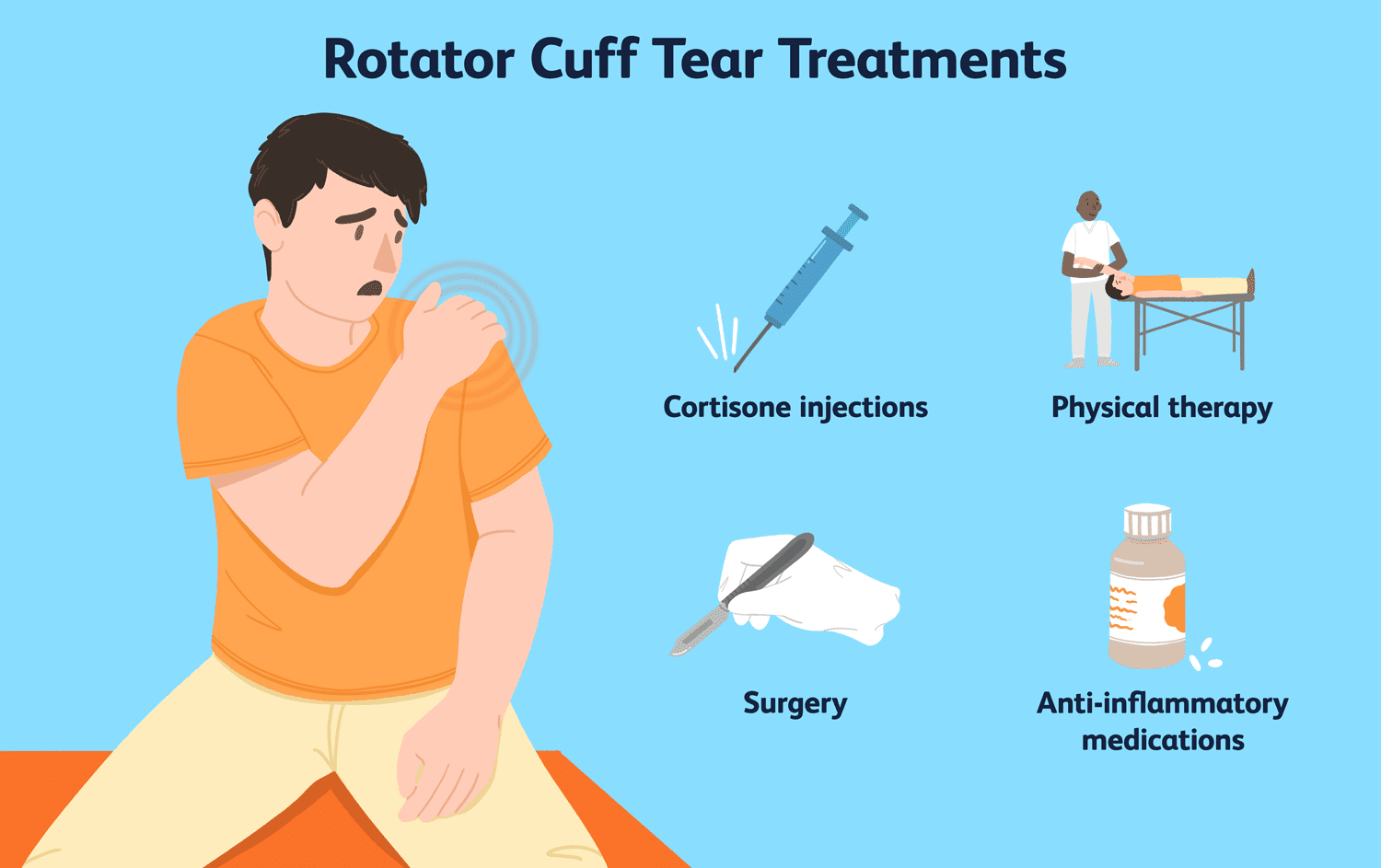
Many rotator cuff problems improve with non-surgical care. Therefore, your doctor may initially recommend conservative treatment when your condition allows it.
Treatment may include:
- Rest from painful activities
- Activity modification
- Pain-relieving medicines
- Cold or heat therapy
- Physiotherapy
- Shoulder strengthening exercises
- Stretching exercises
- Posture correction
Moreover, physiotherapy can help improve shoulder movement and muscle strength. A trained therapist can create exercises according to your condition and recovery stage.
However, you should avoid exercises that increase your pain without professional guidance.
Physiotherapy
Physiotherapy plays an important role in many shoulder recovery plans. Therefore, your therapist may use exercises that improve flexibility, strength, coordination, and shoulder control.
A rehabilitation program may include gentle movement exercises at first. Moreover, the therapist can gradually add strengthening exercises as your shoulder improves.
Physiotherapy can also help you return to work, sports, and daily activities. As a result, consistent rehabilitation can support better shoulder function and reduce the risk of future problems.
Rotator Cuff Injury Surgery
Some patients may need surgery when conservative treatment does not provide enough improvement. Moreover, a large tear, significant weakness, or an acute injury may require surgical evaluation.
The orthopedic surgeon may recommend rotator cuff repair surgery to reattach the damaged tendon to the bone. Arthroscopic techniques can allow the surgeon to repair many shoulder injuries through small openings.
However, the treatment choice depends on the tear, age, activity level, symptoms, and overall shoulder health. Therefore, your surgeon should explain the expected benefits and recovery process before treatment.
Recovery
ecovery time varies from person to person. Therefore, your recovery depends on the injury, treatment method, overall health, and rehabilitation plan.
After surgery, you may need a shoulder support for a specific period. Moreover, your physiotherapist will gradually introduce movement and strengthening exercises.
You should follow your rehabilitation schedule carefully. However, you should also avoid returning to heavy activities too quickly. As a result, gradual recovery can help protect the healing tendon and restore shoulder function.
How Can You Prevent Injuries?
You cannot prevent every shoulder injury. However, you can reduce your risk by taking care of your shoulder.
Helpful steps include:
- Warm up before exercise
- Strengthen the shoulder muscles
- Use correct lifting techniques
- Avoid sudden increases in activity
- Take breaks during repetitive work
- Maintain good posture
- Follow proper sports techniques
- Do not ignore ongoing shoulder pain
Moreover, regular strengthening can improve shoulder support. Therefore, people involved in sports or repetitive overhead work should pay special attention to shoulder conditioning.
Book a Consultation
Do not let ongoing shoulder pain limit your daily life. Therefore, consider an orthopedic consultation if you experience shoulder pain, weakness, or difficulty moving your arm.
Moreover, early assessment can help identify the problem and guide suitable treatment. Whether you need physiotherapy, medicines, activity changes, or surgical care, your orthopedic specialist can guide you through the available options.
Book an appointment for Rotator Cuff Injury Treatment in Nagpur and take the next step toward better shoulder movement and comfort.