
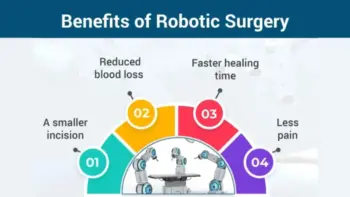
Robotic surgery benefits – Advanced Robotic Precision for Orthopedic Excellence
Robotic Surgery Benefits – Dr. Abhishek Bhalotia, practicing at Asian Institute Of Advanced Surgeries, provides Modern orthopedic surgery continues to evolve rapidly. As a result, advanced technologies now improve surgical precision and patient outcomes. Among these innovations, robotic-assisted surgery has emerged as a significant advancement.
Traditionally, orthopedic procedures relied entirely on manual surgical techniques. However, technology now enhances surgical accuracy through robotic systems and computer-guided planning. Consequently, surgeons can perform complex joint procedures with improved precision.
Robotic-assisted orthopedic surgery combines digital imaging, advanced planning software, and robotic guidance. Therefore, surgeons gain greater control during procedures. Moreover, patients often experience improved recovery outcomes. At the Asian Institute Of Advanced Surgeries, orthopedic specialist Dr. Abhishek Bhalotia incorporates modern robotic-assisted techniques to support safe and precise surgical care.
This article explores the key benefits of robotic surgery, including improved accuracy, faster recovery, and enhanced long-term joint function.
Understanding Robotic-Assisted Orthopedic Surgery
Robotic-assisted surgery involves the use of specialized robotic systems that assist surgeons during orthopedic procedures. Importantly, the robot does not operate independently. Instead, the surgeon remains fully in control of the procedure.
Initially, surgeons perform detailed preoperative planning using advanced imaging technology. Subsequently, computer software creates a three-dimensional model of the patient’s joint.
During surgery, the robotic system guides the surgeon’s instruments according to the surgical plan. Consequently, the procedure becomes more precise and controlled.
Because of this advanced guidance, robotic-assisted surgery can improve implant placement and surgical consistency.
Key Benefits of Robotic Surgery
Robotic technology provides several advantages compared with traditional surgical approaches.
1. Improved Surgical Precision
First and foremost, robotic systems enhance surgical precision. Computer-guided planning allows surgeons to map the procedure before the operation begins.
As a result, implant positioning becomes more accurate. Furthermore, precise alignment helps improve long-term joint performance.
Better alignment can also reduce implant wear over time. Consequently, patients may experience longer-lasting joint replacements.
2. Personalized Surgical Planning
Every patient’s anatomy is unique. Therefore, robotic technology allows surgeons to create customized surgical plans.
Advanced imaging technology produces a detailed model of the patient’s joint. Subsequently, surgeons design the procedure according to the patient’s specific anatomy.
Because of this individualized approach, surgical accuracy improves significantly.
3. Reduced Tissue Damage
Traditional surgery sometimes affects surrounding tissues. However, robotic-assisted procedures focus specifically on the targeted surgical area.
As a result, surgeons can preserve healthy bone and soft tissues. Consequently, patients often experience reduced surgical trauma.
Minimizing tissue damage supports faster healing and improved mobility.
4. Faster Recovery Time
Recovery speed remains a major concern for many patients. Fortunately, robotic-assisted surgery often supports faster recovery.
Because procedures are more precise, tissue disruption decreases. Therefore, inflammation and post-operative discomfort may be reduced.
Patients can often begin rehabilitation sooner. Moreover, early movement supports improved joint function.
5. Improved Implant Alignment
Correct implant alignment plays an important role in joint replacement surgery. Improper alignment may affect joint movement and implant durability.
Robotic technology assists surgeons in placing implants with exceptional accuracy. Consequently, implant positioning becomes more consistent.
Better alignment can improve joint stability and movement.
Common Orthopedic Procedures Using Robotic Technology
Robotic systems are now widely used in several orthopedic procedures.
Robotic Knee Replacement
Robotic-assisted knee replacement surgery helps improve implant positioning and joint alignment.
Surgeons use detailed digital planning to guide the procedure. Consequently, the artificial knee can function more naturally.
Many patients experience improved mobility following robotic knee replacement.
Robotic Hip Replacement
Hip replacement surgery can also benefit from robotic assistance.
The robotic system helps guide the placement of the hip implant within the joint. Therefore, the implant can be positioned accurately.
Accurate placement improves joint stability and reduces the risk of dislocation.
Partial Joint Replacement
Robotic technology also supports partial joint replacement procedures.
Instead of replacing the entire joint, surgeons replace only the damaged portion. Therefore, healthy bone and cartilage remain preserved.
Because less tissue is affected, recovery may occur more quickly.
Safety of Robotic-Assisted Surgery
Safety remains a primary concern in any surgical procedure.
Fortunately, robotic-assisted surgery enhances safety through advanced planning and surgical guidance.
The robotic system provides real-time feedback during the procedure. Consequently, surgeons can adjust their technique if necessary.
Additionally, built-in safety controls help prevent unintended movement of surgical instruments.
Patient Experience During Robotic Surgery
Patients undergoing robotic-assisted surgery usually follow a similar preparation process as traditional procedures.
First, surgeons conduct a detailed consultation and physical examination.
Next, imaging studies such as CT scans or X-rays help create a surgical plan.
On the day of surgery, the robotic system assists the surgeon during the procedure. However, the surgeon remains in full control throughout the operation.
Following surgery, patients begin rehabilitation and physiotherapy to restore joint strength and mobility.
Role of Rehabilitation After Robotic Surgery
Rehabilitation plays an essential role in recovery.
Physiotherapy helps strengthen surrounding muscles and restore joint movement.
Initially, rehabilitation focuses on gentle movement exercises.
Subsequently, strengthening exercises improve joint stability.
Over time, patients gradually resume daily activities and physical exercise.
Who Can Benefit from Robotic Orthopedic Surgery?
Robotic surgery may benefit patients experiencing severe joint problems.
Common conditions include:
- Osteoarthritis
- Rheumatoid arthritis
- Joint degeneration
- Severe joint injuries
- Chronic joint pain
However, suitability for robotic surgery depends on the patient’s overall health and joint condition.
Therefore, orthopedic specialists perform thorough evaluations before recommending surgery.
Advantages Compared With Traditional Surgery
Robotic surgery provides several improvements over traditional techniques.
| Feature | Traditional Surgery | Robotic Surgery |
|---|---|---|
| Precision | Manual alignment | Computer-guided accuracy |
| Planning | Limited | Advanced 3D planning |
| Tissue Impact | Moderate | Reduced |
| Recovery | Standard recovery time | Often faster recovery |
Because of these advantages, robotic-assisted surgery continues to gain popularity worldwide.
Orthopedic Robotic Surgery at Asian Institute Of Advanced Surgeries
Patients seeking advanced orthopedic care can consult Dr. Abhishek Bhalotia, an experienced orthopedic specialist at Asian Institute Of Advanced Surgeries.
The institute focuses on modern orthopedic treatment methods, including robotic-assisted procedures.
Additionally, the surgical team emphasizes personalized treatment planning for each patient.
Advanced technology combined with experienced surgical care helps improve patient outcomes.
Long-Term Outcomes of Robotic Surgery
Long-term success depends on several factors.
First, accurate implant placement supports improved joint movement.
Second, proper rehabilitation helps restore strength and flexibility.
Third, maintaining a healthy lifestyle protects the new joint.
Many patients experience long-term improvement in mobility and quality of life after robotic-assisted joint replacement.
Lifestyle After Robotic Joint Surgery
Following recovery, patients can gradually return to many daily activities.
However, doctors usually recommend avoiding high-impact sports.
Instead, low-impact activities support joint health. Examples include:
- Walking
- Swimming
- Cycling
- Light strength training
Maintaining an active lifestyle helps protect joint function.
When to Consult an Orthopedic Specialist ?
Patients should consult an orthopedic surgeon if they experience:
- Persistent joint pain
- Reduced joint mobility
- Joint stiffness
- Difficulty performing daily activities
Early evaluation helps determine the most effective treatment approach.
In many cases, non-surgical treatments may relieve symptoms before surgery becomes necessary.
Conclusion
Robotic-assisted orthopedic surgery represents a major advancement in modern surgical care Through improved precision, personalized planning, and advanced technology, surgeons can perform joint procedures with greater accuracy.
As a result, patients often experience improved recovery and long-term joint function.
Patients seeking advanced orthopedic care may consult Dr. Abhishek Bhalotia at Asian Institute Of Advanced Surgeries for expert evaluation and treatment. With modern surgical techniques and comprehensive rehabilitation support, robotic surgery continues to transform orthopedic care.
Book Appointment with Dr. Abhishek Bhalotia at AIAS
If you are experiencing joint discomfort, restricted movement, or any musculoskeletal concerns, scheduling a consultation with Dr. Abhishek Bhalotia, MS Ortho, Fellow Joint Replacement (Hyd, UK), Robotic Joint Replacement Surgeon, can help you better understand your condition and explore appropriate care options. Early evaluation often helps patients address symptoms before they begin to interfere with everyday activities and mobility.
Consultations are available at Asian Institute of Advanced Surgeries (AIAS) in Nagpur, where patients receive a structured orthopaedic assessment focused on identifying factors affecting bone, joint, and movement health. During the visit, individuals can discuss their symptoms, medical history, lifestyle habits, and physical activity levels with Dr. Abhishek Bhalotia, ensuring a comprehensive evaluation and guidance toward suitable treatment options for improved joint function and mobility.