
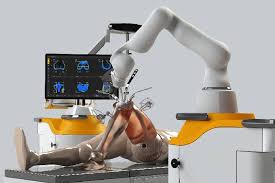
Robotic Orthopedic Surgery in Indore
Orthopedic surgery has evolved significantly with the introduction of robotic technology. Many patients now explore robotic orthopedic surgery in Indore when severe joint problems affect mobility and daily activities. This advanced surgical approach allows orthopedic surgeons to perform procedures with improved precision and control. Robotic systems assist the surgeon by providing detailed planning and real-time guidance during surgery.
Patients with advanced arthritis, joint damage, or sports injuries may benefit from robotic-assisted procedures. Before recommending surgery, an orthopedic specialist carefully evaluates the affected joint through clinical examination and imaging tests. These assessments help determine the extent of damage and the best treatment approach. When joint degeneration becomes severe, doctors may suggest robotic orthopedic surgery in Indore to improve joint alignment, restore movement, and reduce long-term discomfort.
Understanding Robotic Orthopedic Surgery in Indore
Robotic orthopedic surgery is an advanced technique that supports surgeons during complex orthopedic procedures. The robotic system does not operate independently. Instead, the surgeon controls the procedure while the robotic technology provides detailed measurements and guidance. This system helps improve surgical accuracy and ensures the procedure follows the planned steps precisely.
Before the surgery begins, imaging scans are used to create a digital model of the patient’s joint. This model allows the orthopedic doctor to plan the surgery carefully and determine the exact placement of implants. During the procedure, robotic assistance helps guide surgical instruments with high precision. Such technology improves joint alignment and helps surgeons perform complex procedures more safely.
Conditions Treated with Robotic Orthopedic Surgery
Several orthopedic conditions can be treated using robotic-assisted surgery. Severe osteoarthritis is one of the most common reasons patients consider this advanced procedure. In this condition, the protective cartilage inside the joint gradually wears away. This leads to joint stiffness, swelling, and persistent pain during movement.
Other conditions may also require robotic-assisted procedures. Rheumatoid arthritis can damage joint structures through chronic inflammation. Traumatic injuries, fractures, and ligament damage can also affect joint stability. When these conditions progress and conservative treatments fail, orthopedic specialists may recommend robotic orthopedic surgery in Indore to restore joint function and relieve pain.
Symptoms That May Require Robotic Orthopedic Surgery
Patients experiencing severe joint damage often develop noticeable symptoms over time. Persistent joint pain during walking or standing is one of the most common signs. Many patients also experience stiffness in the affected joint, especially after resting for long periods.
Reduced range of motion may also develop as the joint condition worsens. Some individuals notice swelling or instability in the joint while performing daily activities. In advanced cases, pain may continue even during rest or sleep. When these symptoms interfere with normal movement, consulting an orthopedic specialist becomes important. After evaluation, the doctor may recommend robotic orthopedic surgery in Indore if surgical treatment becomes necessary.
Diagnosis and Evaluation by an Orthopedic Specialist
Accurate diagnosis is essential before planning orthopedic surgery. The orthopedic doctor begins by examining the affected joint and evaluating its flexibility and stability. Patient history helps the doctor understand how long the symptoms have been present and whether previous treatments have provided relief.
Imaging tests provide additional information about the joint condition. X-rays help identify cartilage loss, bone damage, and joint misalignment. In certain cases, MRI scans may be recommended to examine surrounding ligaments and soft tissues. These diagnostic tests help the musculoskeletal specialist determine the severity of joint damage. Based on these findings, the doctor decides whether robotic-assisted surgery is the most appropriate treatment.
Advantages of Robotic Orthopedic Surgery Technology
Robotic technology provides several important benefits in orthopedic surgery. One major advantage is improved surgical precision. Robotic systems allow surgeons to perform bone preparation and implant placement with extremely accurate measurements. This helps ensure proper alignment of the joint components during surgery.
Another benefit involves reduced damage to surrounding tissues. Robotic guidance allows surgeons to make controlled movements during the procedure. This approach may reduce blood loss and minimize surgical trauma. Smaller incisions and accurate planning also help support faster recovery for many patients. Robotic surgery can therefore improve surgical outcomes and enhance long-term joint performance.
Advanced Procedures Using Robotic Orthopedic Surgery
Robotic orthopedic technology is commonly used for several complex surgical procedures. Knee replacement surgery is one of the most widely performed robotic-assisted orthopedic procedures. This surgery replaces damaged knee joint surfaces with artificial implants to restore movement.
Hip replacement surgery is another procedure where robotic guidance improves implant positioning. Surgeons may also use robotic assistance for certain partial joint replacements and complex orthopedic corrections. The robotic system provides real-time feedback during surgery, allowing the surgeon to maintain precise control. This accuracy helps ensure proper joint balance and improves the longevity of the implants.
Why Choose Dr. Abhishek Bhalotia for Robotic Orthopedic Surgery
Selecting an experienced orthopedic surgeon plays an important role in successful surgical outcomes. Dr. Abhishek Bhalotia focuses on diagnosing joint problems accurately and recommending appropriate treatment plans for each patient. His approach emphasizes detailed evaluation and personalized surgical planning.
At Asian Institute of Advanced Surgeries (AIAS), patients receive comprehensive orthopedic care supported by modern diagnostic and surgical technologies. The facility offers advanced orthopedic procedures along with structured rehabilitation programs. With proper medical guidance and careful treatment planning, patients can work toward improved joint function and better mobility after surgery.
Rehabilitation and Recovery After Robotic Orthopedic Surgery
Recovery after robotic orthopedic surgery involves structured rehabilitation and physiotherapy. Early recovery focuses on gentle exercises that help improve circulation and prevent stiffness around the operated joint. These exercises help patients begin restoring movement gradually.
As healing progresses, physiotherapists introduce strengthening exercises to improve muscle stability and joint function. Patients also learn safe techniques for walking, sitting, and performing everyday activities. Consistent rehabilitation helps support long-term joint health and mobility. With proper recovery planning and physiotherapy, many patients return to their daily routines with improved comfort and movement.
Frequently Asked Questions – Robotic Orthopedic Surgery in Indore
1. What is robotic orthopedic surgery?
It is an advanced surgical technique assisted by robotic technology.
The system helps surgeons perform procedures with greater accuracy.
2. Which procedures use robotic orthopedic surgery?
Common procedures include robotic knee and hip replacement.
Some complex joint surgeries may also use robotic assistance.
3. Is robotic orthopedic surgery safe?
Yes, it is considered safe when performed by experienced surgeons.
Robotic technology improves surgical precision.
4. How long does recovery take after robotic surgery?
Recovery time varies depending on the procedure and patient health.
Physiotherapy helps restore movement and strength.
5. Who may benefit from robotic orthopedic surgery?
Patients with severe arthritis or joint damage may benefit.
Doctors recommend it when non-surgical treatments fail.
Book Appointment with Dr. Abhishek Bhalotia at AIAS
If you are experiencing joint pain, limited mobility, or considering advanced joint replacement options, scheduling a consultation with Dr. Abhishek Bhalotia, MS Ortho, Fellow Joint Replacement (Hyd, UK), Robotic Joint Replacement Surgeon, can help you explore the most precise and effective treatment solutions. Early evaluation ensures that your symptoms are addressed before they affect daily activities and long-term joint health.
Consultations are available at the Asian Institute of Advanced Surgeries (AIAS) in Nagpur, where Dr. Bhalotia provides a thorough orthopedic assessment, reviews your medical history, evaluates joint function, and discusses lifestyle and activity factors. This helps in creating a tailored plan for robotic-assisted or conventional joint replacement, depending on your needs.