
Asian Institute Of Advanced Surgeries


Robotic orthopedic procedures in Nagpur
Dr. Abhishek Bhalotia

MS Ortho, Fellow Joint Replacement (Hyd, UK)

Robotic Joint Replacement Surgeon

Dr. Abhishek Bhalotia is a highly skilled orthopedic and joint replacement surgeon based in Gondia, Maharashtra. He holds an MBBS and MS has completed advanced fellowship training in joint replacement techniques, including training in Hyderabad and London, UK.
Introducing robotic-assisted hip and knee replacement surgeries in his region and has performed over 2k joint replacement procedures, helping many patients regain mobility and reduce pain. He is the Founder Director of United Super Specialty Hospital & Trauma Centre, where he provides advanced orthopedic care with a focus on precision, innovation & compassionate treatment.

Robotic orthopedic procedures in Nagpur

Robotic orthopedic procedures in Nagpur

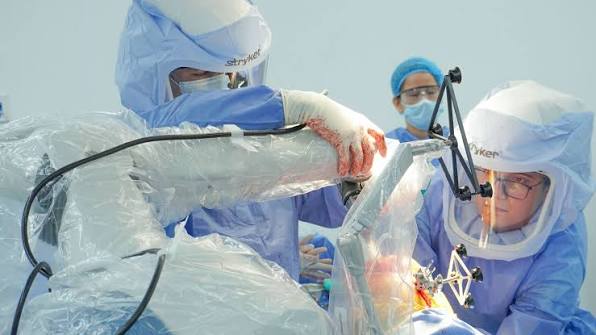
Robotic orthopedic procedures in Nagpur,Joint pain, stiffness, and reduced mobility can make everyday activities challenging. These symptoms may affect walking, climbing stairs, sitting, standing, working, exercising, and participating in activities you enjoy. Moreover, modern orthopedic technology can support surgeons during selected procedures that require detailed planning and controlled execution. Therefore, patients searching for Robotic Orthopedic Procedures In Nagpur can consult an experienced orthopedic specialist to understand suitable treatment options.Robotic orthopedic procedures may help the surgical team assess joint alignment, plan implant positioning, and perform selected surgical steps with computer-assisted guidance. In addition, robotic technology can assist with patient-specific planning and surgical guidance based on detailed imaging and anatomical information.

What Are Robotic Orthopedic Procedures?

The Robotic orthopedic procedures combine advanced computer technology with orthopedic surgical expertise. Moreover, robotic systems can help surgeons plan selected procedures using detailed information about the patient’s anatomy. Therefore, the surgeon can use technology to support specific surgical steps with controlled guidance. In addition, the orthopedic specialist maintains direct control throughout the operation. However, robotic assistance does not mean that a robot independently performs the surgery. As a result, the technology works as a surgical support tool while the surgeon provides clinical judgment and expertise.

How Do Robotic Orthopedic Procedures Work?

A Robotic orthopedic treatment usually begins with a detailed consultation and diagnostic evaluation. Moreover, the orthopedic surgeon reviews symptoms, medical history, physical findings, and relevant imaging. Therefore, the team can develop an individualized surgical plan when robotic assistance suits the procedure. In addition, the robotic system may provide guidance during selected surgical steps. However, the surgeon monitors the procedure and makes adjustments according to clinical findings. As a result, careful planning and professional judgment work together to support the treatment process.

Which Orthopedic Procedures Can Use Robotic Assistance?

Robotic technology can support selected orthopedic procedures, depending on the patient’s condition and the technology available at the treatment center. Moreover, surgeons may consider robotic assistance for certain joint replacement procedures. Therefore, treatment options may include:

  • Robotic-assisted knee replacement
  • Selected robotic-assisted hip procedures
  • Computer-assisted joint surgery
  • Patient-specific surgical planning
  • Technology-assisted alignment procedures
  • Selected complex orthopedic procedures

In addition, your orthopedic surgeon will determine whether robotic assistance provides a meaningful advantage for your particular condition.

Robotic-Assisted Knee Replacement
Severe knee arthritis can cause persistent pain, stiffness, and difficulty with walking or climbing stairs. Moreover, selected knee replacement procedures can use robotic technology to support detailed surgical planning. Therefore, the surgeon may use patient-specific anatomical information to plan alignment and implant positioning. In addition, robotic guidance can support selected stages of the procedure. However, robotic assistance does not replace the surgeon’s expertise. As a result, the final treatment approach should depend on your knee condition, anatomy, health, and functional goals.
Robotic-Assisted Hip Procedures
Hip arthritis and other joint conditions can affect walking, sitting, standing, and daily movement. Moreover, selected hip procedures may use advanced computer-assisted or robotic technology. Therefore, the surgical team can assess the patient’s anatomy and develop an appropriate plan before treatment. In addition, the surgeon controls the procedure and uses clinical judgment throughout surgery. However, not every hip replacement requires robotic assistance. As a result, your specialist should recommend the technique after evaluating your individual condition.

Benefits Of Robotic Orthopedic Procedures

Robotic assistance can offer potential advantages during selected orthopedic procedures. Moreover, the benefits depend on the procedure, technology, surgeon, and patient’s individual condition. **Therefore, potential advantages may include: Detailed surgical planning Patient-specific anatomical assessment Computer-assisted surgical guidance Support for implant positioning Assistance with alignment assessment Controlled execution of selected surgical steps Personalized treatment planning Support for surgical consistency However, robotic technology cannot guarantee a specific outcome. As a result, patients should discuss realistic expectations with their orthopedic surgeon.

Robotic Technology And Surgeon Expertise

Robotic systems support orthopedic surgeons rather than replace them. Moreover, the surgeon evaluates the patient and decides whether surgery represents an appropriate treatment. Therefore, the surgeon also selects the surgical technique, develops the treatment plan, and manages the procedure. In addition, the surgeon can respond to findings during surgery and modify the approach when necessary. However, technology alone cannot determine the right treatment. As a result, surgeon expertise, patient selection, clinical judgment, and rehabilitation remain essential parts of orthopedic care.

Book An Appointment For Robotic Orthopedic Care In Nagpur

Persistent joint pain can limit your movement and affect your quality of life. Moreover, an orthopedic consultation can help identify the cause of your symptoms and explain appropriate treatment options. Therefore, if you are considering Robotic Orthopedic Procedures In Nagpur, schedule a consultation with an experienced orthopedic specialist.

Frequently Asked Questions (FAQ)

1. What are robotic orthopedic procedures?
Robotic orthopedic procedures use advanced technology to support surgical planning and guidance during selected orthopedic operations.
No. The orthopedic surgeon controls the procedure and makes all important clinical decisions.
Selected patients may benefit after a specialist evaluates their condition and confirms that robotic assistance is suitable.
Yes. It can support surgical planning and guidance during selected knee replacement procedures.
Yes. Selected hip procedures may use computer-assisted or robotic technology when the surgeon considers it appropriate.
Not always. Robotic assistance and minimally invasive surgery are different aspects of treatment.

Robotic orthopedic procedures in Nagpur

Robotic orthopedic procedures in Nagpur

Consult Our Experienced Orthopaedic Surgeon for Detailed Guidance

Call Now Button