
Introduction
Robotic knee replacement is an advanced surgical solution for patients suffering from chronic knee pain, arthritis, or joint degeneration. In Mungeli, this modern technology is helping patients achieve better outcomes, faster recovery, and improved mobility.
Dr. Abhishek Bhalotia, MS Ortho, Fellow Joint Replacement (Hyd, UK), is a leading robotic knee replacement surgeon known for delivering precise, personalized, and minimally invasive treatment for knee conditions.
What is Robotic Knee Replacement?
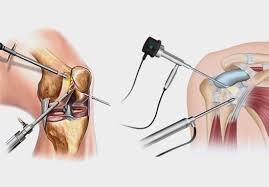
Robotic knee replacement is a technologically advanced procedure where a robotic system assists the surgeon in performing knee replacement with exceptional precision.
Key features include:
- 3D Pre-Surgical Planning: Detailed mapping of the knee joint
- Accurate Implant Placement: Customized alignment for better joint function
- Real-Time Guidance: Enhances surgical control and accuracy
- Minimally Invasive Approach: Less damage to surrounding tissues
This approach improves surgical outcomes and ensures long-term success.
Benefits of Robotic Knee Replacement
Robotic-assisted knee replacement offers several advantages:
- High Precision: Accurate implant positioning improves function and longevity
- Less Pain: Reduced tissue trauma leads to better comfort after surgery
- Faster Recovery: Early mobility and shorter hospital stay
- Better Alignment: Reduces wear and tear of the implant
- Improved Patient Satisfaction: Natural knee movement and better results
Patients often experience enhanced mobility and a quicker return to normal life.
Conditions Treated with Robotic Knee Replacement
This procedure is recommended for patients with:
- Severe osteoarthritis or rheumatoid arthritis
- Chronic knee pain affecting daily activities
- Knee deformities or misalignment
- Failed previous knee surgeries
- Limited mobility despite non-surgical treatments
A proper evaluation helps determine the suitability of robotic surgery.
Types of Robotic Knee Replacement
1. Total Knee Replacement (TKR)
Replaces the entire knee joint for severe joint damage.
2. Partial Knee Replacement (PKR)
Targets only the affected part of the knee, preserving healthy tissue.
3. Revision Knee Replacement
Corrects previous knee replacement surgeries with improved precision.
Procedure: What to Expect
- Pre-Surgical Planning: CT scans create a 3D model of the knee.
- Customized Plan: Implant size and alignment are precisely determined.
- Robotic Surgery: The surgeon uses robotic guidance for accurate bone preparation and implant placement.
- Post-Surgery Care: Early physiotherapy and mobilization begin soon after surgery.
This ensures optimal alignment and improved joint performance.
Recovery and Rehabilitation
Recovery after robotic knee replacement is structured and efficient:
- Hospital Stay: 2–5 days with early mobilization
- First Few Weeks: Walking with support and guided exercises
- 6–12 Weeks: Improved strength, flexibility, and mobility
- 3–6 Months: Return to normal daily activities
Following physiotherapy protocols ensures long-term success and durability of the implant.
Why Choose Dr. Abhishek Bhalotia?
Dr. Abhishek Bhalotia is a trusted expert for robotic knee replacement in Mungeli:
- Fellowship-trained in joint replacement (Hyderabad & UK)
- Extensive experience in robotic-assisted knee surgeries
- Personalized surgical planning for each patient
- Focus on minimally invasive techniques and faster recovery
- Comprehensive rehabilitation and follow-up care
Patients benefit from cutting-edge technology and expert surgical precision.
Frequently Asked Questions (FAQs)
1. Is robotic knee replacement better than traditional surgery?
Yes, it offers higher precision, better alignment, and faster recovery compared to conventional methods.
2. How long does robotic knee replacement surgery take?
The procedure typically takes 1–2 hours depending on complexity.
3. When can I walk after surgery?
Most patients begin walking with support within 24–48 hours.
4. Is the procedure painful?
Pain is effectively managed with modern anesthesia and post-operative care.
5. How long does a robotic knee implant last?
With proper care, implants can last 15–20 years or more.
Conclusion
Robotic knee replacement in Mungeli is a highly effective solution for patients suffering from chronic knee pain and mobility issues. With advanced technology, precise surgical techniques, and faster recovery, patients can regain an active and pain-free lifestyle.
Under the expert guidance of Dr. Abhishek Bhalotia, patients receive world-class robotic-assisted knee replacement care, ensuring improved joint function, reduced pain, and long-term success.
Book Appointment with Dr. Abhishek Bhalotia at AIAS
If you are experiencing joint pain, limited mobility, or considering advanced joint replacement options, scheduling a consultation with Dr. Abhishek Bhalotia, MS Ortho, Fellow Joint Replacement (Hyd, UK), Robotic Joint Replacement Surgeon, can help you explore the most precise and effective treatment solutions. Early evaluation ensures that your symptoms are addressed before they affect daily activities and long-term joint health.
Consultations are available at the Asian Institute of Advanced Surgeries (AIAS) in Nagpur, where Dr. Bhalotia provides a thorough orthopedic assessment, reviews your medical history, evaluates joint function, and discusses lifestyle and activity factors. This helps in creating a tailored plan for robotic-assisted or conventional joint replacement, depending on your needs.