
Introduction
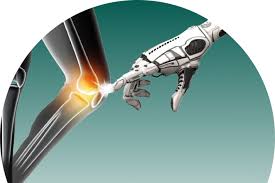
Robotic knee replacement is a modern, highly precise surgical procedure designed to relieve chronic knee pain and restore full mobility. In Mohla‑Manpur‑Ambagarh Chowki, this advanced technology ensures optimal outcomes for patients suffering from arthritis, ligament damage, or joint degeneration.
Dr. Abhishek Bhalotia, MS Ortho, Fellow Joint Replacement (Hyd, UK), is an expert robotic knee replacement surgeon. His expertise combines cutting-edge robotic systems with personalized surgical planning to achieve accurate implant placement and improved joint function.
What is Robotic Knee Replacement?
Robotic knee replacement uses advanced robotic technology to assist the surgeon in performing total or partial knee arthroplasty with exceptional precision. Key features include:
- Pre-surgical 3D modeling of the knee joint
- Customized surgical planning for optimal implant alignment and sizing
- Real-time intraoperative guidance to ensure accuracy
- Minimally invasive techniques to reduce tissue trauma
This technology enhances surgical precision, minimizes complications, and improves long-term knee performance.
Benefits of Robotic Knee Replacement
Robotic-assisted knee replacement offers several advantages:
- Enhanced Precision: Accurate alignment and positioning of the knee implant
- Minimally Invasive: Smaller incisions, less bleeding, and quicker recovery
- Personalized Surgery: Tailored to the patient’s unique anatomy and lifestyle
- Reduced Risk of Complications: Lower chance of implant misalignment or instability
- Faster Rehabilitation: Early mobilization and quicker return to daily activities
Patients often experience reduced post-operative pain, better function, and higher satisfaction compared to traditional knee replacement.
Who Should Consider Robotic Knee Replacement?
Ideal candidates include patients with:
- Severe knee arthritis or joint degeneration
- Chronic pain affecting walking, climbing, or other daily activities
- Prior knee surgery requiring revision
- Desire for advanced surgical precision and optimal outcomes
A comprehensive evaluation determines if robotic-assisted surgery is appropriate for each patient.
The Procedure: What to Expect
- Pre-Surgical Planning: Imaging (CT or MRI) creates a detailed 3D model of the knee.
- Surgical Preparation: Anesthesia and sterile setup for minimal tissue disruption.
- Robotic-Assisted Surgery: The surgeon uses robotic guidance to align and place the implant precisely.
- Closure and Recovery: Incisions are closed, and the patient begins early mobilization with physiotherapy.
Robotic guidance ensures accuracy while preserving healthy tissues around the joint.
Recovery and Rehabilitation
Recovery after robotic knee replacement is structured and progressive:
- Hospital Stay (2–5 Days): Pain management, early mobilization, and physiotherapy
- First Few Weeks: Walking with support, strengthening exercises, and gradual weight-bearing
- 6–12 Weeks: Improved flexibility, reduced swelling, and increased functional mobility
- 3–6 Months: Full return to daily activities and improved knee function
Robotic precision often results in smoother recovery and superior long-term outcomes.
Why Choose Dr. Abhishek Bhalotia?
Dr. Abhishek Bhalotia offers expert robotic knee replacement care in Mohla‑Manpur‑Ambagarh Chowki:
- Extensive experience in robotic-assisted total and partial knee arthroplasty
- Personalized surgical planning based on patient anatomy and lifestyle needs
- Emphasis on minimally invasive techniques for faster recovery
- Comprehensive post-operative care and rehabilitation support
- Commitment to patient safety, comfort, and long-term joint health
Patients benefit from advanced technology and expert surgical skill for precise, long-lasting results.
Frequently Asked Questions (FAQs)
1. How is robotic knee replacement different from traditional surgery?
It provides enhanced precision, better implant alignment, reduced tissue trauma, and faster recovery.
2. How long does the surgery take?
Typically 1–2 hours depending on the complexity of the knee condition.
3. When can I start walking after robotic knee replacement?
Most patients begin walking with support within a day or two, progressing with physiotherapy.
4. Is robotic knee replacement painful?
Discomfort is managed effectively with anesthesia during surgery and post-operative pain control.
5. How long do robotic knee implants last?
With proper care, implants placed using robotic assistance can last 15–20 years or more.
Conclusion
Robotic knee replacement in Mohla‑Manpur‑Ambagarh Chowki offers patients a precise, minimally invasive solution for chronic knee pain and mobility limitations. Advanced technology, personalized planning, and expert surgical execution ensure better alignment, faster recovery, and long-term joint function.
Under the expert guidance of Dr. Abhishek Bhalotia, patients benefit from state-of-the-art robotic surgery combined with comprehensive rehabilitation, enabling them to regain mobility, reduce pain, and enjoy an active lifestyle.
Book Appointment with Dr. Abhishek Bhalotia at AIAS
If you are experiencing joint pain, limited mobility, or considering advanced joint replacement options, scheduling a consultation with Dr. Abhishek Bhalotia, MS Ortho, Fellow Joint Replacement (Hyd, UK), Robotic Joint Replacement Surgeon, can help you explore the most precise and effective treatment solutions. Early evaluation ensures that your symptoms are addressed before they affect daily activities and long-term joint health.
Consultations are available at the Asian Institute of Advanced Surgeries (AIAS) in Nagpur, where Dr. Bhalotia provides a thorough orthopedic assessment, reviews your medical history, evaluates joint function, and discusses lifestyle and activity factors. This helps in creating a tailored plan for robotic-assisted or conventional joint replacement, depending on your needs.