
Introduction to Robotic Knee Replacement
Robotic knee replacement in Korba is an advanced orthopedic procedure that combines surgical expertise with cutting-edge robotic technology to deliver highly precise and effective outcomes. The knee joint plays a crucial role in everyday movements such as walking, standing, and climbing stairs. However, conditions like arthritis, injury, or long-term wear and tear can damage the joint, leading to chronic pain and reduced mobility. While traditional knee replacement has been successful for many patients, robotic-assisted surgery offers enhanced accuracy and better long-term results. Therefore, it has become a preferred choice for many individuals.
With the help of robotic systems, surgeons can plan and perform knee replacement with exceptional precision. This technology allows for customized treatment based on each patient’s anatomy. As a result, patients experience improved joint function, reduced pain, and faster recovery. In addition, robotic-assisted procedures minimize the risk of complications and improve implant longevity.
Dr. Abhishek Bhalotia at AIAS specializes in robotic knee replacement and provides patient-focused care using advanced technology.
What is Robotic Knee Replacement?
Robotic knee replacement is a surgical procedure where a robotic system assists the surgeon in replacing the damaged knee joint with artificial implants. Unlike traditional surgery, this technique uses computer-guided technology to ensure precise alignment and positioning of the implant.
The robotic system does not replace the surgeon. Instead, it enhances the surgeon’s control and accuracy during the procedure. Detailed pre-operative planning and real-time feedback during surgery help achieve optimal results. As a result, patients benefit from improved joint stability and natural movement.
This advanced approach is especially beneficial for patients with severe joint damage who require accurate and customized treatment.
Conditions That May Require Robotic Knee Replacement
Robotic knee replacement is recommended for patients with severe knee joint damage that does not respond to non-surgical treatments. Osteoarthritis is the most common cause, as it leads to gradual cartilage loss and joint degeneration. Consequently, patients experience pain, stiffness, and limited mobility.
Rheumatoid arthritis can also cause inflammation and damage to the knee joint. In addition, post-traumatic arthritis may develop after injuries such as fractures or ligament tears. Patients with knee deformities or instability may also benefit from this procedure.
Individuals who experience persistent pain and difficulty performing daily activities often require knee replacement surgery. Dr. Abhishek Bhalotia evaluates each patient thoroughly to determine the most appropriate treatment.
How Robotic Technology Improves Knee Replacement
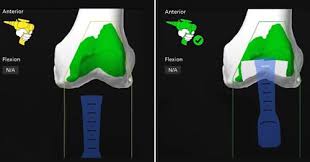
Robotic-assisted surgery enhances precision through advanced imaging and computer-guided planning. Before the procedure, detailed scans are used to create a 3D model of the patient’s knee. This allows the surgeon to plan the surgery with accuracy.
During the operation, the robotic system provides real-time guidance, ensuring that the implant is placed correctly. It helps maintain proper alignment and balance of the knee joint. As a result, patients experience better function and reduced wear of the implant.
This level of precision is difficult to achieve with traditional methods alone. Therefore, robotic technology significantly improves surgical outcomes and patient satisfaction.
Procedure and Surgical Approach
Robotic knee replacement surgery is performed under anesthesia to ensure patient comfort. The surgeon removes the damaged cartilage and bone from the knee joint. The robotic system then assists in placing the artificial implant with high precision.
Minimally invasive techniques are often used, resulting in smaller incisions and less damage to surrounding tissues. As a result, patients experience reduced pain and quicker recovery. The procedure is carefully planned and executed to achieve optimal results.
Dr. Abhishek Bhalotia uses advanced robotic systems and a meticulous approach to ensure safe and effective outcomes.
Recovery and Rehabilitation
Recovery after robotic knee replacement in Korba is typically faster compared to traditional surgery. Patients are encouraged to start moving soon after the procedure to improve circulation and prevent stiffness. Early mobilization supports faster healing.
Physiotherapy plays a crucial role in restoring strength, flexibility, and joint function. Patients follow structured rehabilitation programs designed to improve mobility gradually. In addition, they receive guidance on safe movement and activity levels.
Most patients return to their daily routine within a few weeks, although full recovery may take a few months. Dr. Abhishek Bhalotia provides continuous support throughout the recovery process.
Benefits of Robotic Knee Replacement
Robotic knee replacement offers several advantages over traditional methods. One of the primary benefits is enhanced precision, which leads to better implant alignment and longer-lasting results. As a result, patients experience improved joint function and reduced pain.
In addition, smaller incisions and minimal tissue damage lead to faster recovery and shorter hospital stays. Patients can return to their normal activities sooner. Furthermore, the risk of complications is reduced due to improved accuracy.
Another important benefit is personalized treatment, as each surgery is tailored to the patient’s unique anatomy. Robotic knee replacement in Korba provides a safe and effective solution for severe knee conditions.
Why Choose Dr. Abhishek Bhalotia at AIAS
Choosing the right surgeon is essential for successful robotic knee replacement. Dr. Abhishek Bhalotia at AIAS offers expertise in advanced robotic techniques and a patient-centered approach. He focuses on delivering precise and reliable results.
Patients receive comprehensive care from consultation to rehabilitation. In addition, personalized treatment plans ensure the best possible outcomes. His commitment to safety and innovation makes him a trusted choice for robotic knee replacement in Korba.
Frequently Asked Questions
What is robotic knee replacement?
It is a procedure that uses robotic technology to assist in knee replacement surgery.
Is robotic knee replacement safe?
Yes, it is safe and improves precision when performed by an experienced surgeon.
How long does the surgery take?
The procedure usually takes a few hours.
What is the recovery time?
Most patients recover within a few weeks, while full recovery may take a few months.
Will I need physiotherapy?
Yes, physiotherapy is essential for proper recovery.
How long do knee implants last?
Implants can last for many years with proper care.
Is robotic surgery better than traditional surgery?
It offers improved accuracy, faster recovery, and better outcomes in many cases.
When can I return to normal activities?
Most patients can resume daily activities within a few weeks under medical guidance.
Book Appointment with Dr. Abhishek Bhalotia at AIAS
If you are experiencing joint pain, limited mobility, or considering advanced joint replacement options, scheduling a consultation with Dr. Abhishek Bhalotia, MS Ortho, Fellow Joint Replacement (Hyd, UK), Robotic Joint Replacement Surgeon, can help you explore the most precise and effective treatment solutions. Early evaluation ensures that your symptoms are addressed before they affect daily activities and long-term joint health.
Consultations are available at the Asian Institute of Advanced Surgeries (AIAS) in Nagpur, where Dr. Bhalotia provides a thorough orthopedic assessment, reviews your medical history, evaluates joint function, and discusses lifestyle and activity factors. This helps in creating a tailored plan for robotic-assisted or conventional joint replacement, depending on your needs.