
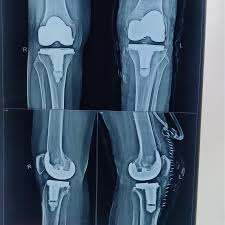
Introduction to Robotic Joint Replacement
Robotic joint replacement in Kanker represents a major advancement in orthopedic surgery, offering higher precision, improved outcomes, and faster recovery compared to traditional techniques. Joint problems, especially in the knee and hip, often result from arthritis, injury, or long-term wear and tear. These conditions can cause severe pain, stiffness, and reduced mobility, making everyday activities difficult. Although medications and physiotherapy may provide temporary relief, advanced cases often require surgical intervention. Therefore, robotic joint replacement has emerged as a modern and effective solution.
This advanced procedure uses robotic-assisted technology to help surgeons plan and perform joint replacement with exceptional accuracy. The robotic system allows better alignment of implants and minimizes damage to surrounding tissues. As a result, patients experience less pain, quicker recovery, and improved joint function. In addition, robotic assistance enhances the surgeon’s control during the procedure, leading to more consistent and reliable results.
Dr. Abhishek Bhalotia at AIAS specializes in robotic joint replacement and provides advanced orthopedic care tailored to each patient’s needs. His expertise ensures safe procedures and long-lasting outcomes.
Conditions That May Require Robotic Joint Replacement
Several conditions can lead to severe joint damage and may require robotic-assisted surgery. Osteoarthritis is the most common cause, as it gradually wears down the cartilage that cushions the joint. Consequently, patients experience pain, stiffness, and difficulty in movement. In addition, rheumatoid arthritis can cause inflammation that damages joint structures over time.
Joint injuries, fractures, and deformities may also affect joint function and lead to long-term complications. When these conditions progress, non-surgical treatments often fail to provide sufficient relief. Therefore, joint replacement becomes necessary to restore mobility and reduce pain.
Dr. Abhishek Bhalotia evaluates each patient thoroughly to determine whether robotic joint replacement is the most suitable option. His approach ensures that patients receive the right treatment based on their condition and lifestyle.
How Robotic Joint Replacement Works
Robotic joint replacement involves advanced technology that assists the surgeon throughout the procedure. First, detailed imaging scans help create a precise 3D model of the patient’s joint. This allows the surgeon to plan the surgery accurately, including implant size, position, and alignment.
During the procedure, the robotic system guides the surgeon’s movements in real time. It enhances precision by ensuring that only the targeted areas are treated. At the same time, the surgeon remains in full control of the operation. This combination of human expertise and robotic accuracy leads to better surgical outcomes.
Because of this advanced approach, patients benefit from improved implant placement and reduced risk of complications. Dr. Abhishek Bhalotia uses this technology to deliver highly accurate and personalized joint replacement procedures.
Benefits of Robotic Joint Replacement
Robotic joint replacement offers several advantages over conventional surgery. One of the most important benefits is improved accuracy in implant placement. Proper alignment ensures better joint function and increases the lifespan of the implant. In addition, the procedure minimizes damage to surrounding tissues, which helps reduce pain and swelling after surgery.
Patients also experience faster recovery and shorter hospital stays. Because the surgery is more precise, the body heals more quickly. Furthermore, patients often regain mobility sooner and return to their normal activities with greater confidence.
Another key benefit is the consistency of results. Robotic assistance allows surgeons to perform procedures with a high level of precision every time. Therefore, patients can expect reliable and long-lasting outcomes.
Recovery and Rehabilitation
Recovery after robotic joint replacement in Kanker is generally faster compared to traditional surgery. Patients begin gentle movement soon after the procedure, which helps improve circulation and prevent stiffness. Early mobilization also supports quicker healing.
Physiotherapy plays a crucial role in restoring strength, flexibility, and joint function. Patients follow structured rehabilitation programs that gradually increase activity levels. In addition, they receive guidance on safe movements and exercises to avoid complications.
Most patients return to daily activities within a few weeks, although full recovery may take a few months. Dr. Abhishek Bhalotia provides continuous support throughout the recovery process. He monitors progress closely and ensures that patients achieve the best possible results.
Why Choose Dr. Abhishek Bhalotia at AIAS
Choosing the right orthopedic surgeon is essential for successful robotic joint replacement. Dr. Abhishek Bhalotia at AIAS offers expertise in advanced robotic-assisted procedures. He combines modern technology with a patient-focused approach to deliver high-quality care.
From initial consultation to post-surgical rehabilitation, patients receive comprehensive support. In addition, personalized treatment plans ensure that each patient’s needs and goals are addressed effectively. His commitment to precision, safety, and long-term outcomes makes him a trusted choice for robotic joint replacement in Kanker.
Frequently Asked Questions
What is robotic joint replacement?
It is an advanced surgical procedure that uses robotic assistance to improve precision in joint replacement.
Is robotic surgery better than traditional surgery?
Yes, it offers higher accuracy, less tissue damage, and faster recovery.
Which joints can be replaced using robotic technology?
Knee and hip joints are most commonly treated with robotic assistance.
How long does the surgery take?
The procedure typically takes a few hours depending on the complexity.
What is the recovery time?
Most patients recover within a few weeks, with full recovery taking a few months.
Is robotic joint replacement safe?
Yes, it is safe when performed by an experienced surgeon using advanced technology.
Will I need physiotherapy after surgery?
Yes, physiotherapy is essential for proper recovery and mobility.
How long do implants last?
Implants can last for many years with proper care and follow-up.
Book Appointment with Dr. Abhishek Bhalotia at AIAS
If you are experiencing joint pain, limited mobility, or considering advanced joint replacement options, scheduling a consultation with Dr. Abhishek Bhalotia, MS Ortho, Fellow Joint Replacement (Hyd, UK), Robotic Joint Replacement Surgeon, can help you explore the most precise and effective treatment solutions. Early evaluation ensures that your symptoms are addressed before they affect daily activities and long-term joint health.
Consultations are available at the Asian Institute of Advanced Surgeries (AIAS) in Nagpur, where Dr. Bhalotia provides a thorough orthopedic assessment, reviews your medical history, evaluates joint function, and discusses lifestyle and activity factors. This helps in creating a tailored plan for robotic-assisted or conventional joint replacement, depending on your needs.