
Introduction
Robotic joint replacement in Bemetara is an advanced orthopedic procedure designed to treat severe joint damage using modern robotic technology. Many patients suffering from chronic joint pain find it difficult to perform daily activities such as walking, climbing stairs, or standing for long periods. Robotic joint replacement offers a precise surgical approach that helps restore joint function and reduce long-term discomfort.
Dr. Abhishek Bhalotia, MS Ortho, Fellow Joint Replacement (Hyd, UK), performs robotic joint replacement in Bemetara at the Asian Institute of Advanced Surgeries (AIAS). As a robotic joint replacement surgeon, he uses advanced robotic systems to assist with accurate surgical planning and implant placement. This technology allows surgeons to customize the procedure according to the patient’s joint structure, helping improve alignment, mobility, and overall surgical outcomes.
Understanding Robotic Joint Replacement in Bemetara
Robotic joint replacement in Bemetara combines orthopedic surgical expertise with modern robotic assistance. The robotic system helps the surgeon analyze the patient’s joint structure before the procedure begins. This detailed planning allows the surgeon to identify the exact areas of joint damage and determine the best position for implants.
Dr. Abhishek Bhalotia uses robotic technology to improve surgical accuracy during joint replacement procedures. The robotic system does not perform the surgery independently. Instead, it acts as a guidance tool that assists the surgeon during the operation. This approach helps reduce unnecessary damage to surrounding tissues and improves the precision of implant positioning, which is important for long-term joint stability.
Conditions That May Require Robotic Joint Replacement
Many patients consider robotic joint replacement in Bemetara when joint pain becomes severe and affects daily life. Osteoarthritis is one of the most common conditions that damages joints over time. This condition causes the cartilage that cushions the joint to gradually wear away, leading to pain and stiffness.
Other conditions that may require robotic joint replacement include rheumatoid arthritis, joint deformity, and damage caused by injury. In such cases, the joint may lose its natural function and movement. Dr. Abhishek Bhalotia carefully evaluates the patient’s symptoms and joint condition before recommending surgery. When non-surgical treatments such as medication and physiotherapy fail to provide relief, robotic joint replacement may become the most effective treatment option.
Advantages of Robotic Joint Replacement Technology
Robotic joint replacement in Bemetara offers several advantages compared to traditional joint replacement techniques. One of the key benefits is improved precision during surgery. The robotic system helps the surgeon analyze the patient’s joint anatomy and create a personalized surgical plan.
Dr. Abhishek Bhalotia uses robotic guidance to ensure accurate implant placement and proper joint alignment. Correct alignment plays an important role in maintaining joint balance and reducing the risk of implant wear over time. Many patients also benefit from reduced surgical trauma because the robotic system helps avoid unnecessary damage to surrounding tissues. As a result, patients may experience improved mobility and better joint function after recovery.
The Robotic Joint Replacement Procedure
During robotic joint replacement in Bemetara, the surgeon begins by preparing a detailed surgical plan using the robotic system. The system analyzes the patient’s joint structure and helps determine the optimal implant size and placement.
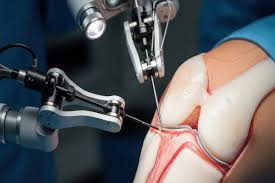
Dr. Abhishek Bhalotia performs the surgery with assistance from the robotic technology. The robotic arm helps guide the surgeon during bone preparation and implant placement. This precision helps ensure that the artificial joint fits properly and moves naturally after surgery. Although the robotic system assists with the procedure, the surgeon remains fully responsible for controlling every step of the operation.
Recovery After Robotic Joint Replacement in Bemetara
Recovery after robotic joint replacement in Bemetara focuses on restoring joint movement and strength. Early movement is an important part of recovery because it helps improve blood circulation and prevents stiffness in the new joint.
Dr. Abhishek Bhalotia usually recommends a structured rehabilitation program after surgery. Physical therapy exercises help strengthen the muscles surrounding the joint and improve flexibility. Patients gradually increase their activity level under medical guidance. With proper rehabilitation and follow-up care, many patients regain mobility and return to their normal daily activities within a few weeks.
Long-Term Outcomes of Robotic Joint Replacement
Robotic joint replacement in Bemetara aims to provide long-term relief from chronic joint pain. Accurate implant placement and balanced joint alignment contribute to improved joint stability over time. Many patients notice a significant improvement in mobility after recovery.
Dr. Abhishek Bhalotia monitors patient progress through regular follow-up appointments at the Asian Institute of Advanced Surgeries (AIAS). These follow-ups help ensure proper healing and implant function. Maintaining a healthy lifestyle, including regular exercise and weight management, can support long-lasting results after joint replacement surgery.
Why Patients Choose Dr. Abhishek Bhalotia for Robotic Joint Replacement
Selecting an experienced surgeon is a crucial step when considering robotic joint replacement in Bemetara. Surgical expertise and access to advanced technology play an important role in achieving successful treatment outcomes.
Dr. Abhishek Bhalotia, MS Ortho, Fellow Joint Replacement (Hyd, UK), specializes in robotic joint replacement procedures at the Asian Institute of Advanced Surgeries (AIAS). As a robotic joint replacement surgeon, he focuses on detailed surgical planning and precise implant placement. His approach emphasizes patient safety, personalized care, and effective rehabilitation. This combination helps patients achieve improved mobility and better joint function after surgery.
Frequently Asked Questions
1. What is robotic joint replacement surgery?
Robotic joint replacement is a procedure where robotic technology assists the surgeon.
It helps improve precision during joint replacement surgery.
2. Which joints can be replaced using robotic technology?
Robotic systems are commonly used for knee and hip replacement procedures.
They help improve accuracy during these surgeries.
3. Is robotic joint replacement safe?
Yes, robotic technology assists the surgeon but does not replace surgical expertise.
The surgeon controls the entire procedure.
4. How long does recovery take after joint replacement?
Most patients begin gentle movement within a few days after surgery.
Full recovery may take several weeks with rehabilitation.
5. When should someone consider joint replacement surgery?
Joint replacement may be recommended when severe pain affects daily activities.
Doctors usually consider surgery after other treatments fail to provide relief.
Book Appointment with Dr. Abhishek Bhalotia at AIAS
If you are experiencing joint pain, limited mobility, or considering advanced joint replacement options, scheduling a consultation with Dr. Abhishek Bhalotia, MS Ortho, Fellow Joint Replacement (Hyd, UK), Robotic Joint Replacement Surgeon, can help you explore the most precise and effective treatment solutions. Early evaluation ensures that your symptoms are addressed before they affect daily activities and long-term joint health.
Consultations are available at the Asian Institute of Advanced Surgeries (AIAS) in Nagpur, where Dr. Bhalotia provides a thorough orthopedic assessment, reviews your medical history, evaluates joint function, and discusses lifestyle and activity factors. This helps in creating a tailored plan for robotic-assisted or conventional joint replacement, depending on your needs.