Asian Institute Of Advanced Surgeries

Robotic implant positioning in Nagpur

Dr. Abhishek Bhalotia
MS Ortho, Fellow Joint Replacement (Hyd, UK)
Robotic Joint Replacement Surgeon
Dr. Abhishek Bhalotia is a highly skilled orthopedic and joint replacement surgeon based in Gondia, Maharashtra. He holds an MBBS and MS has completed advanced fellowship training in joint replacement techniques, including training in Hyderabad and London, UK.
Introducing robotic-assisted hip and knee replacement surgeries in his region and has performed over 2k joint replacement procedures, helping many patients regain mobility and reduce pain. He is the Founder Director of United Super Specialty Hospital & Trauma Centre, where he provides advanced orthopedic care with a focus on precision, innovation & compassionate treatment.
Joint replacement can help patients manage severe pain, stiffness, and movement limitations caused by advanced joint damage. Moreover, modern robotic-assisted technology can support detailed surgical planning and implant positioning in selected knee and hip replacement procedures. Therefore, patients searching for Robotic Implant Positioning In Nagpur can consult an experienced orthopedic specialist for a complete evaluation. In addition, your surgeon can assess joint anatomy, bone alignment, activity level, general health, and treatment goals before recommending robotic assistance. However, robotic technology does not replace surgical expertise. As a result, personalized planning remains essential for selecting the most appropriate joint replacement approach.
What Is Robotic Implant Positioning?
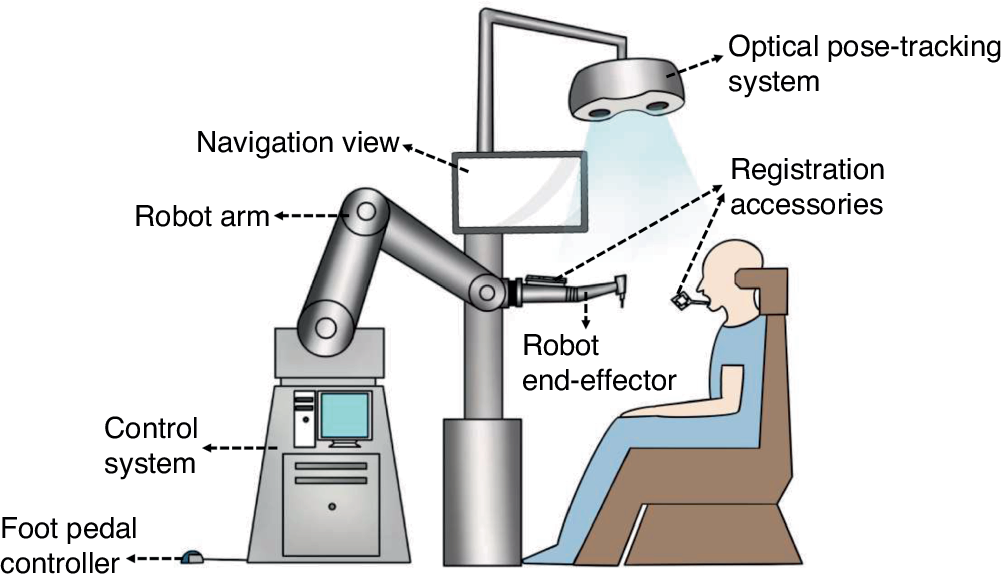
Robotic implant positioning uses computer-assisted technology to help surgeons plan and execute selected joint replacement procedures. Moreover, the system can provide detailed information about joint anatomy and planned implant placement. Therefore, surgeons can use this information to support alignment and positioning decisions during appropriate procedures. In addition, the technology allows the surgeon to make clinical adjustments according to the patient’s anatomy. However, the robotic system does not independently perform the surgery. As a result, successful treatment depends on the surgeon’s expertise, patient selection, surgical planning, and postoperative care.
Why Does Implant Positioning Matter?
Proper implant positioning plays an important role in joint replacement planning. Moreover, surgeons consider alignment, bone structure, joint balance, and implant selection during the procedure. Therefore, accurate planning can help the surgical team create an approach that matches the patient’s anatomy. In addition, appropriate positioning can support the functional goals of the replacement. However, no technology can guarantee a particular surgical outcome. As a result, your orthopedic specialist should explain how implant positioning relates to your specific joint condition and treatment objectives.
Who May Need Robotic-Assisted Joint Replacement?
Not every patient requires robotic assistance. Moreover, doctors consider several clinical factors before recommending technology-assisted surgery. Therefore, your specialist may evaluate:
- Severity of joint damage
- Bone alignment
- Joint deformity
- Knee or hip stability
- Previous joint surgery
- Activity requirements
- General health
- Imaging findings
- Response to non-surgical treatment
- Personal recovery goals
In addition, your doctor may recommend conventional joint replacement when it provides an appropriate treatment option. As a result, careful evaluation helps determine whether robotic assistance offers meaningful value for your case.
Robotic Implant Positioning For Knee Replacement
Severe knee arthritis can cause pain, stiffness, swelling, and difficulty with everyday movement. Moreover, robotic-assisted knee replacement can use digital planning and computer guidance to support selected implant positioning procedures. Therefore, the surgeon can review the patient’s anatomy and develop a procedure-specific plan before surgery. In addition, the technology can provide information during surgery that supports alignment and positioning decisions. However, the surgeon remains responsible for every important clinical decision. As a result, robotic knee replacement combines technology with surgical judgment to provide a personalized approach for suitable patients.
Robotic Implant Positioning For Hip Replacement
Hip arthritis and other advanced joint conditions can affect walking, sitting, standing, and daily activities. Moreover, robotic-assisted technology can support planning for selected hip replacement procedures. Therefore, surgeons may use detailed imaging and computer-assisted tools to understand individual anatomy and plan implant placement. In addition, the surgical team can adjust the plan according to clinical findings during the procedure. However, robotic assistance does not suit every hip replacement patient. As a result, your orthopedic specialist should determine whether this technology fits your condition, anatomy, and functional goals.
Advanced Imaging And Surgical Planning
Detailed imaging can provide valuable information before selected robotic-assisted procedures. Moreover, doctors may use X-rays, CT scans, or other investigations to understand bone structure and joint alignment. Therefore, imaging can support the development of a patient-specific surgical plan. In addition, three-dimensional information can help the surgical team visualize selected anatomical features before treatment. However, your doctor chooses imaging according to your clinical requirements. As a result, appropriate imaging and careful planning can work together to support an individualized surgical approach.
Computer-Assisted Implant Planning
Computer-assisted planning allows surgeons to review anatomical information before selected joint replacement procedures. Moreover, digital systems can help the team assess alignment, implant size, and positioning considerations. Therefore, surgeons can prepare a surgical plan based on the patient’s individual anatomy. In addition, computer guidance can support decision-making during appropriate procedures. However, the technology serves as a surgical support tool rather than an independent decision-maker. As a result, experienced orthopedic judgment remains central to the entire treatment process.
Book An Appointment For Robotic Implant Positioning In Nagpur
Persistent joint pain can affect your mobility, independence, and quality of life. Moreover, an orthopedic consultation can help identify the cause of your symptoms and determine whether joint replacement suits your condition. Therefore, if you are considering Robotic Implant Positioning In Nagpur, schedule a consultation with an experienced orthopedic specialist.
Frequently Asked Questions (FAQ)
1. What is robotic implant positioning?
It uses computer-assisted technology to help plan surgery and position implants during selected joint replacement procedures.
2. Does a robot perform the entire surgery?
No. The surgeon controls the procedure and uses the robotic system as a support tool.
3. Does every patient need robotic surgery?
No. It is recommended only for suitable patients and procedures.
4. Can robotic technology help hip replacement?
Yes. It may support planning and implant placement during selected hip replacement procedures.
5. Does every patient need robotic surgery?
No. Your orthopedic specialist will recommend it only if it suits your condition.
6. What imaging may I need?
Your doctor may recommend X-rays, CT scans, MRI, or other tests based on your condition.