
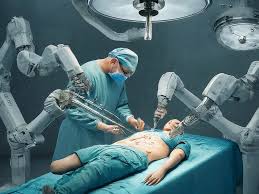
Robotic Hip Replacement in Pithampur
Robotic hip replacement in Pithampur is becoming a preferred choice for individuals dealing with severe hip pain and mobility limitations. Right from the initial consultation, robotic hip replacement in Pithampur focuses on precision, comfort, and long-term joint function rather than conventional surgical guesswork. Many people today actively seek advanced solutions that allow smoother movement and quicker return to daily routines.
At Dr. Abhishek Bhalotia’s practice within Asian Institute of Advanced Surgeries (AIAS), the approach combines surgical expertise with advanced robotic technology. Moreover, this method allows personalized planning before surgery begins, which improves implant positioning significantly. As a result, patients experience better joint stability and natural movement after recovery, making this option highly effective for long-term relief.
Understanding Robotic Hip Replacement
Unlike traditional hip surgery, robotic-assisted procedures rely on detailed 3D imaging and planning before entering the operating room. This allows Dr. Abhishek Bhalotia at Asian Institute of Advanced Surgeries (AIAS) to map the exact anatomy of the patient’s hip joint. Additionally, this preparation ensures that every surgical step aligns with the individual’s structure, improving accuracy.
During the procedure, robotic guidance supports the surgeon in placing the implant with high precision. However, the surgeon remains in full control at all times, using the system as an advanced tool. This level of accuracy helps recreate natural joint mechanics and improves movement quality after surgery. Research highlights that robotic systems enhance implant alignment and reduce surgical variability.
Who Can Benefit from Robotic Hip Replacement
Individuals suffering from chronic hip pain due to arthritis or joint damage often consider surgical solutions when other treatments stop working. Moreover, people experiencing stiffness, reduced range of motion, or difficulty walking may benefit from this advanced approach.
At Asian Institute of Advanced Surgeries (AIAS), Dr. Abhishek Bhalotia evaluates each patient based on their lifestyle and joint condition. Additionally, both active individuals who want durable outcomes and older patients seeking improved mobility can consider this option. Therefore, suitability depends on the severity of joint damage and daily functional needs rather than age alone.
Common Concerns Addressed
Many people initially question whether robotic technology replaces the surgeon’s role. In reality, Dr. Abhishek Bhalotia at Asian Institute of Advanced Surgeries (AIAS) uses the system as a guiding tool while maintaining full surgical control. This ensures safety while improving precision.
Another concern involves pain and recovery duration. However, robotic assistance allows more controlled movements, which minimizes unnecessary tissue disruption. Additionally, patients often experience less discomfort and quicker recovery compared to traditional approaches. Consequently, confidence in walking and performing daily activities improves earlier than expected.
Consultation and Treatment Planning
The journey begins with a detailed evaluation where Dr. Abhishek Bhalotia studies the patient’s hip condition at Asian Institute of Advanced Surgeries (AIAS). Advanced imaging technology creates a digital model of the joint, allowing precise surgical mapping. Moreover, this step reduces uncertainty during the actual procedure.
Planning also includes selecting the correct implant size, alignment, and positioning based on the patient’s anatomy. As a result, the treatment becomes highly customized rather than standardized. Additionally, patients receive clear explanations about the procedure and recovery process, which helps them feel confident and prepared.
Advanced Techniques in Robotic Hip Replacement
Modern robotic systems bring remarkable precision to hip joint procedures. At Asian Institute of Advanced Surgeries (AIAS), Dr. Abhishek Bhalotia uses advanced technology that provides real-time feedback during surgery. This ensures accurate bone preparation and implant placement throughout the procedure.
Furthermore, robotic techniques allow minimal invasion and controlled surgical movements. As a result, there is less blood loss and reduced trauma to surrounding tissues. Studies indicate that robotic-assisted surgery leads to better implant positioning and faster recovery compared to traditional methods.
Why Choose Dr. Abhishek Bhalotia for Robotic Hip Replacement
Choosing the right surgeon significantly influences surgical outcomes. Dr. Abhishek Bhalotia at Asian Institute of Advanced Surgeries (AIAS) focuses on combining clinical expertise with robotic precision to deliver consistent and reliable results. Moreover, his approach emphasizes accuracy and long-term joint performance.
Patients also value the structured care provided throughout the treatment journey. From consultation to follow-up, Dr. Abhishek Bhalotia ensures every step remains clear and well-managed. Additionally, the integration of robotic technology enhances confidence, as the procedure follows a carefully planned and controlled pathway.
Recovery and Aftercare
Recovery after robotic-assisted hip surgery often progresses more smoothly due to minimal tissue disruption. Patients usually begin movement earlier under guided supervision. At Asian Institute of Advanced Surgeries (AIAS), Dr. Abhishek Bhalotia designs personalized rehabilitation plans to support recovery.
Additionally, physiotherapy plays a key role in rebuilding strength and flexibility. Patients gradually regain mobility and return to daily activities with improved comfort. Therefore, consistent follow-ups and guided exercises ensure steady progress and reduced complications during healing.
Long-Term Results
Long-term outcomes depend heavily on implant positioning and joint alignment. Robotic systems help achieve high accuracy in both areas, which improves durability and performance. At Asian Institute of Advanced Surgeries (AIAS), Dr. Abhishek Bhalotia focuses on delivering results that support active and independent lifestyles.
Moreover, many patients notice improved stability and natural movement after recovery. This allows them to engage in routine activities without discomfort or hesitation. Consequently, robotic-assisted surgery not only relieves pain but also restores confidence and overall quality of life.
FAQs
1. Is robotic hip replacement better than traditional surgery?
Robotic surgery offers higher precision in implant placement, which improves joint function and long-term outcomes.
2. How long does recovery take after surgery?
Most patients start walking within a few days and gradually return to normal activities over several weeks.
3. Is the procedure safe?
Yes, the surgeon controls the robotic system completely, ensuring both safety and accuracy during surgery.
4. Will I feel pain after the surgery?
Pain is generally less due to minimal tissue damage and controlled surgical techniques.
5. How long does a hip implant last?
With proper alignment and care, implants can last many years while maintaining good joint function.
Book Appointment with Dr. Abhishek Bhalotia at AIAS
If you are experiencing joint pain, limited mobility, or considering advanced joint replacement options, scheduling a consultation with Dr. Abhishek Bhalotia, MS Ortho, Fellow Joint Replacement (Hyd, UK), Robotic Joint Replacement Surgeon, can help you explore the most precise and effective treatment solutions. Early evaluation ensures that your symptoms are addressed before they affect daily activities and long-term joint health.
Consultations are available at the Asian Institute of Advanced Surgeries (AIAS) in Nagpur, where Dr. Bhalotia provides a thorough orthopedic assessment, reviews your medical history, evaluates joint function, and discusses lifestyle and activity factors. This helps in creating a tailored plan for robotic-assisted or conventional joint replacement, depending on your needs.