
Introduction
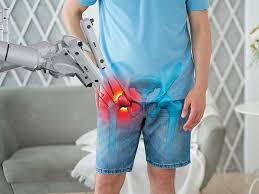
Robotic hip replacement is a state-of-the-art orthopedic procedure designed to improve accuracy, reduce complications, and accelerate recovery for patients suffering from severe hip joint problems. In Manendragarh-Chirmiri-Bharatpur, robotic-assisted hip replacement has transformed patient outcomes, offering precision and durability that conventional surgery often cannot match.
Dr. Abhishek Bhalotia, MS Ortho, Fellow Joint Replacement (Hyd, UK), is a leading robotic hip replacement surgeon. His extensive experience and proficiency in robotic-assisted techniques ensure patients benefit from accurate implant placement, minimal tissue damage, and faster rehabilitation.
What is Robotic Hip Replacement?
Robotic hip replacement uses advanced robotic systems to assist surgeons in performing hip joint replacements with high precision. The technology guides bone preparation, implant positioning, and alignment, resulting in better joint function and longevity. Unlike traditional methods, robotic assistance preserves healthy tissue, minimizes pain, and promotes faster recovery.
Who Needs Robotic Hip Replacement?
Robotic hip replacement is recommended for patients experiencing:
- Chronic hip pain due to osteoarthritis or degenerative joint disease
- Limited mobility and difficulty performing daily activities
- Hip joint damage from trauma or fractures
- Failed previous hip surgeries
- Desire for precise and long-lasting joint replacement
Consultation with a robotic hip specialist is essential to determine candidacy based on individual conditions.
Advantages of Robotic Hip Replacement
Robotic-assisted hip replacement offers several benefits over conventional surgery:
- Enhanced Precision: Robotic systems ensure accurate bone cuts and implant placement.
- Better Implant Alignment: Correct alignment improves function and prolongs implant life.
- Minimally Invasive: Smaller incisions reduce pain, scarring, and recovery time.
- Preservation of Healthy Tissue: Healthy bone and soft tissue are maintained whenever possible.
- Faster Rehabilitation: Enhanced accuracy often leads to quicker recovery and return to activities.
These advantages provide patients with long-term relief and improved mobility.
Types of Robotic Hip Replacement
Robotic systems can assist with different types of hip replacement procedures:
1. Total Robotic Hip Replacement
The entire hip joint is replaced with a prosthetic implant, guided by robotic assistance for optimal alignment.
2. Partial Hip Replacement
Only the damaged portion of the hip is replaced, preserving more natural tissue and allowing quicker recovery.
3. Revision Robotic Hip Surgery
Robotics assists in correcting or replacing failed previous implants, improving accuracy and outcomes.
Preparing for Robotic Hip Replacement
Proper preparation is essential for a successful surgery:
- Complete medical evaluations and imaging studies
- Optimize nutrition and overall health
- Pre-operative physiotherapy to strengthen surrounding muscles
- Review medications and medical history with the surgeon
- Arrange for post-surgery support at home
Thorough preparation ensures smoother surgery and faster recovery.
Recovery and Rehabilitation
Recovery after robotic hip replacement is structured and generally faster due to precise surgical techniques.
Recovery Timeline
- First Few Days: Walking with assistance and pain management
- 2–4 Weeks: Gradual improvement in mobility with physiotherapy
- 6–8 Weeks: Resuming light daily activities
- 3–6 Months: Full recovery and return to normal routines
Importance of Physiotherapy
Physiotherapy strengthens muscles, restores flexibility, and improves joint function. Following a structured plan maximizes the benefits of robotic-assisted hip replacement.
Risks and Considerations
Robotic hip replacement is generally safe, but potential risks include:
- Infection
- Blood clots
- Implant-related issues
- Temporary stiffness or soreness
Experienced surgeons and adherence to post-operative care protocols minimize these risks.
Why Choose Dr. Abhishek Bhalotia?
Dr. Abhishek Bhalotia offers expert robotic hip replacement care:
- Trained in robotic-assisted techniques in India and the UK
- Personalized surgical planning for each patient
- Advanced imaging and precise implant alignment
- Focus on faster recovery and long-term joint function
- Comprehensive post-operative rehabilitation support
Patients benefit from the combination of advanced technology and expert surgical care for optimal outcomes.
Frequently Asked Questions (FAQs)
1. How is robotic hip replacement different from traditional surgery?
Robotic surgery provides greater precision, better alignment, minimal tissue damage, and faster recovery.
2. How long does the surgery take?
Typically, robotic hip replacement takes 1–2 hours depending on complexity.
3. Are there age restrictions for robotic hip replacement?
It is suitable for most adults, with suitability assessed individually.
4. When can I walk after surgery?
Most patients start walking with assistance within a day or two.
5. How long do robotic hip implants last?
Modern implants can last 15–20 years or longer with proper care.
Conclusion
Robotic hip replacement in Manendragarh-Chirmiri-Bharatpur offers patients a precise, safe, and effective solution for chronic hip pain and mobility issues. With improved alignment, faster recovery, and long-term durability, patients can regain independence and lead an active, pain-free life.
Under the guidance of Dr. Abhishek Bhalotia, patients benefit from cutting-edge robotic-assisted hip surgery and comprehensive post-operative care, ensuring optimal outcomes and long-lasting joint health.
Book Appointment with Dr. Abhishek Bhalotia at AIAS
If you are experiencing joint pain, limited mobility, or considering advanced joint replacement options, scheduling a consultation with Dr. Abhishek Bhalotia, MS Ortho, Fellow Joint Replacement (Hyd, UK), Robotic Joint Replacement Surgeon, can help you explore the most precise and effective treatment solutions. Early evaluation ensures that your symptoms are addressed before they affect daily activities and long-term joint health.
Consultations are available at the Asian Institute of Advanced Surgeries (AIAS) in Nagpur, where Dr. Bhalotia provides a thorough orthopedic assessment, reviews your medical history, evaluates joint function, and discusses lifestyle and activity factors. This helps in creating a tailored plan for robotic-assisted or conventional joint replacement, depending on your needs.