
Introduction
Hip pain can gradually limit your ability to move freely and perform daily activities. Moreover, simple actions like walking, sitting, or bending can become uncomfortable over time. Fortunately, advanced medical technology now offers a more precise and effective solution through Robotic Hip Replacement in Koriya.
At AIAS, Dr. Abhishek Bhalotia specializes in robotic-assisted hip replacement procedures. Additionally, he combines surgical expertise with cutting-edge robotic systems to ensure higher accuracy and better outcomes. Therefore, patients can expect improved mobility, reduced pain, and faster recovery compared to traditional methods.
What is Robotic Hip Replacement?
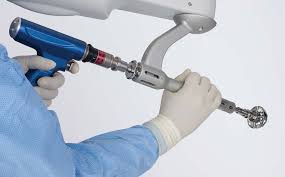
Robotic hip replacement is an advanced surgical procedure where a robotic system assists the surgeon in replacing a damaged hip joint with an artificial implant. Unlike conventional surgery, this approach uses detailed 3D imaging and real-time data for precise planning.
Additionally, the robotic system helps the surgeon position the implant accurately. As a result, patients benefit from improved joint function and long-term stability.
Causes / Conditions Requiring Robotic Hip Replacement
Doctors recommend Robotic Hip Replacement in Koriya when the hip joint is severely damaged and conservative treatments fail.
Common causes include:
- Osteoarthritis
- Rheumatoid arthritis
- Hip fractures or trauma
- Avascular necrosis (loss of blood supply to bone)
- Degenerative joint disease
- Failed previous hip surgery
Moreover, aging, obesity, and injuries can accelerate joint damage. Therefore, early consultation is important.
Symptoms
Patients who may need robotic hip replacement often experience:
- Persistent hip or groin pain
- Stiffness in the hip joint
- Difficulty walking or climbing stairs
- Pain during rest or sleep
- Reduced range of motion
- Limping or imbalance
Additionally, if these symptoms persist despite treatment, surgery becomes necessary.
Types / Techniques
Dr. Abhishek Bhalotia uses advanced robotic techniques tailored to each patient.
1. Total Hip Replacement
The entire hip joint is replaced with artificial components.
2. Partial Hip Replacement
Only the damaged portion is replaced in specific cases.
3. Robotic-Assisted Customized Surgery
The procedure is planned based on individual anatomy using robotic technology.
Moreover, robotic precision ensures better implant positioning and long-term success.
Procedure / Treatment Process
The process of Robotic Hip Replacement in Koriya is highly structured and precise.
Step 1: Pre-Surgical Planning
Advanced imaging creates a 3D model of the hip joint. Therefore, the surgeon plans the procedure in detail.
Step 2: Robotic Assistance
During surgery, the robotic system guides the surgeon with real-time feedback.
Step 3: Removal of Damaged Joint
The damaged bone and cartilage are carefully removed.
Step 4: Implant Placement
The artificial joint is placed with high precision.
Step 5: Closure
The incision is closed, and recovery begins.
Additionally, this process reduces surgical errors and improves outcomes.
Non-Surgical Options
Before recommending surgery, doctors may try conservative treatments.
- Pain medications
- Physiotherapy
- Lifestyle modifications
- Weight management
- Assistive devices
However, these methods usually provide temporary relief. Therefore, robotic surgery offers a more permanent solution.
Recovery and Rehabilitation
Recovery after Robotic Hip Replacement in Koriya is generally faster and smoother.
- Walking begins within 24–48 hours
- Shorter hospital stay
- Physiotherapy starts early
- Most activities resume within 4–6 weeks
Moreover, reduced tissue damage leads to less pain and quicker healing.
Benefits of Robotic Hip Replacement in Koriya
- High precision and accuracy
- Better implant alignment
- Reduced pain and blood loss
- Faster recovery time
- Lower risk of complications
- Long-lasting results
Additionally, patients experience improved mobility and quality of life.
Risks and Safety
Although robotic surgery is advanced, some risks may exist:
- Infection
- Blood clots
- Implant dislocation
- Nerve or tissue injury
- Wear over time
However, Dr. Abhishek Bhalotia follows strict safety protocols. Therefore, complications are minimized.
Why Choose Dr. Abhishek Bhalotia at AIAS
Choosing the right surgeon ensures better outcomes. Therefore, many patients prefer Dr. Abhishek Bhalotia for Robotic Hip Replacement in Koriya.
Specialized Expertise
He focuses on robotic orthopedic procedures.
Advanced Technology
He uses modern robotic systems for precise surgery.
Personalized Care
Each treatment plan is tailored to patient needs.
Comprehensive Support
From consultation to recovery, patients receive complete care.
Moreover, AIAS provides advanced facilities and patient-centered services.
Lifestyle Tips / Prevention
Maintaining hip health can reduce future complications.
- Maintain a healthy weight
- Exercise regularly
- Avoid excessive strain on joints
- Practice correct posture
- Seek early treatment for pain
Additionally, preventive care improves long-term joint function.
Conclusion
Hip pain should not limit your lifestyle. Fortunately, Robotic Hip Replacement in Koriya offers a precise, safe, and effective solution. With the expertise of Dr. Abhishek Bhalotia at AIAS, patients benefit from advanced technology, faster recovery, and long-term relief.
Therefore, if you experience persistent hip pain, consulting a specialist early can help restore your mobility and quality of life.
FAQs
1. What is robotic hip replacement?
It is a procedure where a robotic system assists the surgeon in replacing a damaged hip joint with high precision.
2. Who needs this surgery?
Patients with severe hip pain or joint damage not relieved by medications.
3. How long does recovery take?
Most patients recover within 4–6 weeks, with full recovery in a few months.
4. Is robotic hip replacement safe?
Yes, it is safe and more accurate than traditional surgery.
5. When should I consult a doctor?
If you have persistent hip pain, stiffness, or difficulty walking.
6. How long do hip implants last?
Implants usually last 15–20 years or more.
7. Is robotic surgery better than traditional surgery?
Yes, it offers better precision and faster recovery.
8. Can I walk after surgery?
Yes, most patients start walking within 1–2 days.
Book Appointment with Dr. Abhishek Bhalotia at AIAS
If you are experiencing joint pain, limited mobility, or considering advanced joint replacement options, scheduling a consultation with Dr. Abhishek Bhalotia, MS Ortho, Fellow Joint Replacement (Hyd, UK), Robotic Joint Replacement Surgeon, can help you explore the most precise and effective treatment solutions. Early evaluation ensures that your symptoms are addressed before they affect daily activities and long-term joint health.
Consultations are available at the Asian Institute of Advanced Surgeries (AIAS) in Nagpur, where Dr. Bhalotia provides a thorough orthopedic assessment, reviews your medical history, evaluates joint function, and discusses lifestyle and activity factors. This helps in creating a tailored plan for robotic-assisted or conventional joint replacement, depending on your needs.