
Robotic Hip Replacement in Gwalior
Robotic hip replacement in Gwalior is an advanced orthopedic procedure designed to treat severe hip joint damage with the assistance of robotic technology. Many patients experience hip pain due to arthritis, joint degeneration, or injuries that gradually affect mobility. When medications and physiotherapy no longer provide relief, robotic-assisted surgery may help restore joint function. Under the expertise of Dr. Abhishek Bhalotia, patients receive a detailed orthopedic evaluation to determine whether robotic hip replacement surgery is the most suitable treatment option.
Robotic-assisted hip replacement uses computer-guided technology that helps surgeons plan and perform surgery with high precision. Advanced imaging creates a digital model of the patient’s hip joint before surgery begins. This model allows the surgeon to carefully plan implant placement and joint alignment. At Asian Institute of Advanced Surgeries (AIAS), robotic hip replacement in Gwalior focuses on improving surgical accuracy, restoring comfortable movement, and supporting faster recovery for patients with severe hip joint conditions.
Understanding Robotic Hip Replacement Surgery
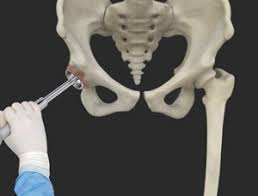
Robotic hip replacement in Gwalior is a procedure in which a damaged hip joint is replaced with an artificial implant using robotic-assisted technology. The hip joint functions like a ball-and-socket structure, allowing smooth movement between the pelvis and the thigh bone. When cartilage wears out, bones may rub against each other, causing pain and stiffness.
Robotic systems assist surgeons by creating a 3D model of the joint before surgery. This digital planning helps guide each step of the operation. During the procedure, the robotic system helps the surgeon perform precise bone preparation and accurate implant placement. Studies show robotic guidance helps ensure anatomically optimized prosthesis positioning and improves surgical precision.
Conditions That May Require Robotic Hip Replacement
Several medical conditions can lead patients to consider robotic hip replacement in Gwalior. Osteoarthritis is one of the most common causes and occurs when cartilage protecting the joint gradually wears down. This results in pain, stiffness, and difficulty moving the hip joint.
Dr. Abhishek Bhalotia also evaluates patients with rheumatoid arthritis, hip fractures, or joint damage caused by trauma. In many cases, patients first try medications, physiotherapy, and lifestyle changes. However, if these treatments fail to reduce pain or improve mobility, robotic hip replacement surgery may be recommended to restore joint function.
Symptoms That Indicate the Need for Hip Replacement
Many patients seek robotic hip replacement in Gwalior when hip pain begins to affect everyday activities. Persistent discomfort during walking, standing, or climbing stairs can indicate advanced joint damage. Some patients also experience stiffness and reduced flexibility in the hip.
Dr. Abhishek Bhalotia evaluates symptoms such as limited range of motion, difficulty bending the hip, and pain that continues even during rest. In severe cases, hip problems may interfere with sleep or basic movements such as sitting and standing. Early diagnosis helps determine whether joint replacement surgery may be necessary.
How Robotic Technology Improves Hip Replacement
Robotic hip replacement in Gwalior offers improved surgical planning and accuracy compared with conventional techniques. Robotic systems analyze the patient’s joint structure using imaging technology and allow surgeons to plan implant placement in detail before surgery.
During the procedure, robotic guidance helps the surgeon follow the surgical plan with high precision. This technology allows real-time monitoring of joint alignment, soft tissue balance, and leg length measurements. These features help improve implant positioning and reduce the risk of complications.
Benefits of Robotic Hip Replacement
Robotic hip replacement in Gwalior provides several advantages for patients suffering from severe hip joint damage. One important benefit is improved implant accuracy, which helps ensure better joint alignment and stability.
Patients may also experience less damage to surrounding tissues because robotic procedures often use minimally invasive techniques. Smaller incisions and improved surgical precision may lead to reduced pain and faster recovery. Medical studies suggest robotic hip surgery can also help maintain proper leg length and reduce the risk of joint dislocation after surgery.
Why Choose Dr. Abhishek Bhalotia for Robotic Hip Replacement
Choosing an experienced surgeon is essential for successful robotic hip replacement in Gwalior. Accurate diagnosis, careful surgical planning, and advanced technology play important roles in achieving good outcomes.
Dr. Abhishek Bhalotia specializes in robotic-assisted orthopedic procedures and provides detailed evaluation before recommending surgery. At Asian Institute of Advanced Surgeries (AIAS), treatment focuses on patient safety, advanced technology, and personalized orthopedic care. This approach helps patients receive modern treatment designed to improve mobility and long-term joint health.
Recovery After Robotic Hip Replacement Surgery
Recovery is an important phase after robotic hip replacement in Gwalior. Most patients begin gentle movement and physiotherapy soon after surgery. Early rehabilitation helps strengthen muscles around the hip joint and improve joint flexibility.
Medical experts explain that robotic-assisted surgery often results in less soft tissue damage, which may support quicker healing and earlier return to daily activities. Patients usually begin walking with support while gradually increasing physical activity during recovery.
Long-Term Care After Robotic Hip Replacement
Long-term care is essential for maintaining joint health after robotic hip replacement in Gwalior. Patients are encouraged to follow physiotherapy exercises, maintain a healthy body weight, and stay physically active.
Dr. Abhishek Bhalotia advises patients to attend regular follow-up appointments to monitor joint function and implant stability. With proper rehabilitation and medical guidance, many patients regain comfortable movement and improved quality of life after robotic hip replacement surgery.
Frequently Asked Questions – Robotic hip replacement in Gwalior
1. What is robotic hip replacement surgery?
Robotic hip replacement uses computer-guided technology to assist surgeons in replacing the damaged hip joint.
2. Is robotic hip replacement better than traditional surgery?
Robotic surgery improves implant accuracy and may support faster recovery.
3. Who needs robotic hip replacement surgery?
Patients with severe hip arthritis or joint damage that does not improve with other treatments may benefit.
4. How long does recovery take after robotic hip replacement?
Most patients begin walking within a few days and continue recovery through physiotherapy.
5. Is robotic hip replacement surgery safe?
Yes, it is considered safe when performed by experienced orthopedic surgeons using advanced surgical planning.
Book Appointment with Dr. Abhishek Bhalotia at AIAS
If you are experiencing joint pain, limited mobility, or considering advanced joint replacement options, scheduling a consultation with Dr. Abhishek Bhalotia, MS Ortho, Fellow Joint Replacement (Hyd, UK), Robotic Joint Replacement Surgeon, can help you explore the most precise and effective treatment solutions. Early evaluation ensures that your symptoms are addressed before they affect daily activities and long-term joint health.
Consultations are available at the Asian Institute of Advanced Surgeries (AIAS) in Nagpur, where Dr. Bhalotia provides a thorough orthopedic assessment, reviews your medical history, evaluates joint function, and discusses lifestyle and activity factors. This helps in creating a tailored plan for robotic-assisted or conventional joint replacement, depending on your needs.