
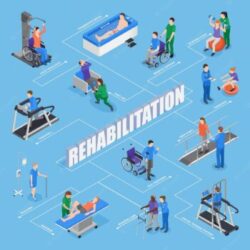
Rehabilitation Insights – Restoring Strength and Mobility After Orthopedic Treatment (United SSH)
Rehabilitation Insights Dr. Abhishek Bhalotia, practicing at Asian Institute Of Advanced Surgeries,Rehabilitation is an essential stage of recovery after orthopedic treatment. Whether a patient undergoes joint replacement, ligament repair, fracture management, or minimally invasive arthroscopic surgery, proper rehabilitation helps restore strength, mobility, and function. Without structured rehabilitation, muscles may remain weak and joints may become stiff, which can delay recovery and affect long-term results.
Therefore, rehabilitation programs focus on gradual recovery of movement while protecting the healing tissues. Through guided physical therapy, controlled exercises, and patient education, individuals regain independence and return to daily activities safely.
At the Asian Institute Of Advanced Surgeries, rehabilitation planning is integrated into orthopedic care. Under the guidance of experienced orthopedic surgeon Dr. Abhishek Bhalotia, patients receive personalized recovery strategies designed to improve mobility and enhance overall musculoskeletal health.
Understanding Orthopedic Rehabilitation
Orthopedic rehabilitation refers to a structured recovery process that helps patients regain normal movement after injury or surgery. During treatment, joints, muscles, ligaments, or bones may become temporarily weakened. Consequently, rehabilitation aims to restore their strength and flexibility.
Rehabilitation programs often include:
- Physical therapy exercises
- Strength training routines
- Mobility improvement techniques
- Balance and coordination exercises
- Functional activity training
These therapies support healing while gradually increasing physical capability.
Why Rehabilitation Is Important After Orthopedic Treatment ?
Recovery after orthopedic procedures requires more than surgical healing. Muscles and joints must relearn normal movement patterns.
Rehabilitation provides several important benefits.
Restoring Joint Mobility
After surgery or injury, joints often become stiff due to reduced movement. Rehabilitation exercises gently increase joint flexibility and restore natural range of motion.
Strengthening Muscles
Muscle strength is essential for joint stability. Physical therapy strengthens muscles surrounding the affected joint, which improves support and prevents reinjury.
Reducing Pain and Swelling
Therapeutic exercises improve blood circulation. As a result, inflammation decreases and recovery progresses more efficiently.
Preventing Complications
Without proper rehabilitation, complications such as joint stiffness, muscle weakness, or reduced mobility may occur. Structured recovery programs help prevent these issues.
Conditions That Require Orthopedic Rehabilitation
Rehabilitation is recommended for many orthopedic conditions and procedures.
Common situations include:
- Knee replacement surgery
- Hip replacement surgery
- Shoulder arthroscopy
- Ligament reconstruction
- Sports injuries
- Fracture recovery
- Spine surgeries
At specialized centers like the Asian Institute Of Advanced Surgeries, rehabilitation programs are carefully designed according to the patient’s condition and treatment plan.
Phases of Orthopedic Rehabilitation
Rehabilitation typically progresses through several stages. Each stage focuses on specific recovery goals.
Phase 1: Early Recovery Stage
The early phase begins soon after surgery or injury treatment. At this stage, the primary goal is to protect healing tissues while preventing stiffness.
Common early rehabilitation activities include:
- Gentle range-of-motion exercises
- Assisted walking or mobility support
- Controlled breathing and circulation exercises
These movements help stimulate blood flow and promote healing.
Phase 2: Mobility Restoration Phase
Once the initial healing phase progresses, rehabilitation focuses on restoring joint movement.
Exercises may include:
- Controlled stretching
- Light strengthening exercises
- Joint mobility drills
During this stage, patients gradually regain confidence in moving the affected joint.
Phase 3: Strengthening Phase
Muscle strength becomes the focus during this stage.
Therapists introduce exercises that target muscles surrounding the joint, such as:
- Resistance band exercises
- Controlled weight training
- Stability exercises
These activities improve muscle support and protect the joint during daily movements.
Phase 4: Functional Recovery Phase
The final phase of rehabilitation prepares patients for everyday activities.
Functional training may involve:
- Walking training
- Climbing stairs
- Balance and coordination exercises
- Activity-specific movements
At this stage, patients regain independence and return to normal routines.
Role of Physical Therapy in Rehabilitation
Physical therapy plays a central role in orthopedic recovery. Skilled therapists guide patients through exercises designed to rebuild strength and flexibility.
Physical therapy programs typically include:
- Personalized exercise plans
- Movement correction techniques
- Posture improvement strategies
- Joint stabilization training
Therapists also monitor recovery progress and adjust exercises accordingly.
Importance of Consistency in Rehabilitation
Consistency is one of the most important factors in successful rehabilitation.
Patients who follow their therapy programs regularly often experience:
- Faster recovery
- Improved joint flexibility
- Better muscle strength
- Reduced risk of reinjury
Therefore, completing the full rehabilitation program is essential for achieving long-term results.
Rehabilitation After Joint Replacement Surgery
Joint replacement surgery is one of the most common orthopedic procedures requiring structured rehabilitation.
After joint replacement, rehabilitation focuses on:
- Improving joint movement
- Strengthening surrounding muscles
- Restoring walking ability
- Enhancing balance and coordination
Patients undergoing joint replacement surgery at the Asian Institute Of Advanced Surgeries receive rehabilitation guidance under the care of Dr. Abhishek Bhalotia.
These programs help patients regain mobility and return to active lifestyles.
Home Exercises for Rehabilitation
In addition to supervised therapy sessions, home exercises support recovery.
Common home rehabilitation exercises may include:
- Gentle stretching routines
- Leg strengthening exercises
- Range-of-motion movements
- Balance exercises
Following these routines regularly helps maintain progress between therapy sessions.
Nutrition and Recovery
Proper nutrition supports the healing process during rehabilitation.
Key nutrients include:
Protein
Protein helps repair tissues and build muscle strength.
Calcium
Calcium supports bone healing and strength.
Vitamin D
Vitamin D improves calcium absorption and supports bone health.
Anti-inflammatory Foods
Fruits, vegetables, and omega-3 fatty acids help reduce inflammation.
Balanced nutrition accelerates recovery and supports overall health.
Managing Pain During Rehabilitation
Some discomfort may occur during rehabilitation as the body adapts to increased movement.
However, pain management strategies can help maintain comfort.
Helpful techniques include:
- Ice therapy to reduce swelling
- Gentle stretching before exercises
- Following therapist guidance carefully
- Gradual progression of exercise intensity
Proper pain management allows patients to continue rehabilitation safely.
Psychological Aspects of Recovery
Orthopedic recovery involves both physical and emotional adjustments.
Patients may experience temporary frustration due to limited mobility. Therefore, maintaining a positive mindset is important.
Supportive strategies include:
- Setting realistic recovery goals
- Celebrating small improvements
- Staying motivated through therapy progress
Positive mental outlook supports long-term rehabilitation success.
Preventing Future Injuries
Rehabilitation also focuses on preventing future injuries.
Therapists teach patients techniques to protect joints during daily activities.
Preventive strategies include:
- Practicing proper body mechanics
- Maintaining strong muscles
- Performing regular stretching exercises
- Avoiding excessive strain on joints
These habits help maintain long-term orthopedic health.
Long-Term Benefits of Rehabilitation
Successful rehabilitation provides lasting health benefits.
Improved Mobility
Patients regain the ability to move comfortably and perform daily tasks.
Enhanced Strength
Stronger muscles protect joints and support body stability.
Reduced Risk of Reinjury
Rehabilitation improves coordination and balance, which helps prevent accidents.
Better Quality of Life
Pain-free movement allows individuals to enjoy active lifestyles.
When to Seek Medical Advice During Rehabilitation ?
Patients should contact their orthopedic specialist if they experience:
- Severe or increasing pain
- Persistent swelling
- Difficulty performing exercises
- Sudden loss of joint mobility
Prompt evaluation ensures safe and effective recovery.
Frequently Asked Questions (FAQs)
How long does orthopedic rehabilitation take?
Recovery time varies depending on the procedure and patient health. Some individuals recover within a few weeks, while others require several months of therapy.
Is rehabilitation necessary after surgery?
Yes. Rehabilitation helps restore joint movement and muscle strength after orthopedic treatment.
Can rehabilitation reduce pain?
Yes. Therapeutic exercises improve circulation, reduce stiffness, and relieve discomfort.
How often should rehabilitation exercises be performed?
Frequency depends on the treatment plan. Therapists usually recommend daily exercises along with supervised therapy sessions.
Can patients perform rehabilitation exercises at home?
Yes. Home exercises support recovery and complement professional therapy programs.
Book Appointment with Dr. Abhishek Bhalotia at AIAS
If you are experiencing joint discomfort, restricted movement, or any musculoskeletal concerns, scheduling a consultation with Dr. Abhishek Bhalotia, MS Ortho, Fellow Joint Replacement (Hyd, UK), Robotic Joint Replacement Surgeon, can help you better understand your condition and explore appropriate care options. Early evaluation often helps patients address symptoms before they begin to interfere with everyday activities and mobility.
Consultations are available at Asian Institute of Advanced Surgeries (AIAS) in Nagpur, where patients receive a structured orthopaedic assessment focused on identifying factors affecting bone, joint, and movement health. During the visit, individuals can discuss their symptoms, medical history, lifestyle habits, and physical activity levels with Dr. Abhishek Bhalotia, ensuring a comprehensive evaluation and guidance toward suitable treatment options for improved joint function and mobility.