Asian Institute Of Advanced Surgeries


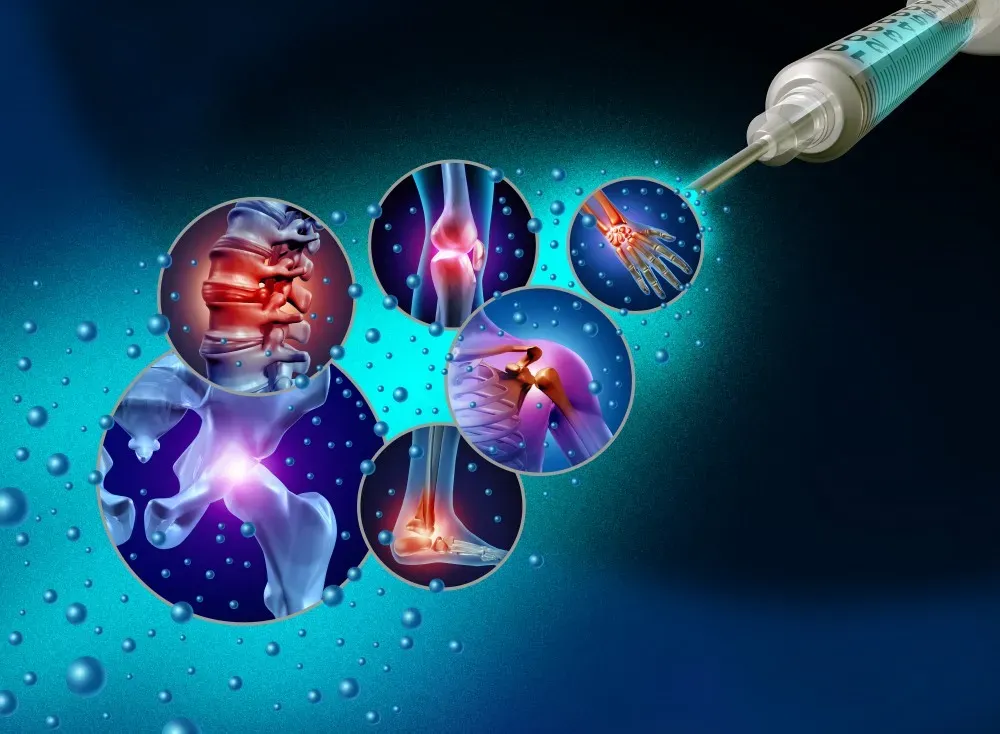
What Is Regenerative Joint Therapy?
Who Can Benefit From Regenerative Joint Therapy? | Regenerative Joint Therapy In Nagpur
People with certain joint problems may benefit from regenerative joint treatment. However, the right option depends on the cause and severity of the condition. A specialist may consider this approach for people who want to manage pain and improve joint function without immediately choosing surgery.
Moreover, active adults, people with early joint changes, and patients with certain tendon or ligament problems may qualify for treatment. Therefore, a proper clinical assessment remains essential. In addition, your doctor will discuss realistic results and other available options before treatment.
Conditions Treated With Regenerative Joint Therapy
Regenerative treatment may help selected patients with several musculoskeletal conditions. However, treatment suitability varies from person to person. A specialist may consider regenerative joint therapy for:
- Knee pain and early knee arthritis
- Mild to moderate osteoarthritis
- Certain tendon injuries
- Selected ligament injuries
- Joint inflammation and discomfort
- Sports-related joint problems
- Shoulder pain caused by certain soft-tissue conditions
- Certain cartilage-related problems
Moreover, regenerative treatment does not guarantee the same results for everyone. Therefore, your doctor will first identify the underlying problem and recommend an appropriate plan.
How Regenerative Joint Therapy Works
Regenerative joint treatment aims to support the body’s natural repair response. Depending on your needs, the doctor may use a biological preparation from your own blood or another suitable regenerative method. Moreover, the specialist carefully targets the affected area to support treatment.
Before the procedure, your doctor checks the joint and reviews your medical history. Therefore, the treatment plan can match your condition and goals. In addition, your doctor may combine regenerative treatment with rehabilitation to support movement and strength.
Benefits of Regenerative Joint Therapy
Many suitable patients choose regenerative therapy because it can offer a less invasive treatment option. However, results can vary according to the joint problem, tissue condition, age, activity level, and overall health.
Potential benefits may include:
- Reduced joint pain
- Better joint movement
- Improved daily activity
- Support for natural healing
- Limited downtime for some treatments
- A non-surgical option for selected conditions
- Support for rehabilitation and physical activity
Moreover, regenerative therapy works best when patients follow the complete treatment plan. Therefore, your specialist may recommend exercises and lifestyle changes along with the procedure.
Regenerative Joint Therapy Treatment Process
Your treatment starts with a detailed consultation. First, your doctor discusses your symptoms, previous treatments, activity level, and treatment goals. Moreover, the specialist examines the affected joint and may recommend imaging when necessary.
Next, the doctor selects an appropriate regenerative treatment based on your condition. Therefore, the treatment approach can remain focused on your specific needs. During the procedure, the specialist follows appropriate medical precautions and targets the affected area carefully.
After treatment, your doctor provides recovery instructions. In addition, you may receive advice about activity, exercises, medicines, and follow-up visits. As a result, you can understand what to expect during recovery.
Recovery After Regenerative Joint Therapy | Regenerative Joint Therapy In Nagpur
Recovery can differ between patients and treatments. Some people may return to light activities soon after treatment, while others may need more rest. However, you should follow your specialist’s instructions instead of increasing activity too quickly.
Moreover, your doctor may suggest physiotherapy or specific exercises to improve strength and movement. Therefore, rehabilitation can form an important part of your recovery plan. In addition, regular follow-up helps your specialist monitor your progress and adjust your care when needed.
Why Choose Our Regenerative Joint Therapy in Nagpur?
Choosing the right treatment starts with the right evaluation. Our approach focuses on your symptoms, joint condition, daily needs, and treatment goals. Moreover, we explain each step in simple language so you understand your options.
We also focus on appropriate patient selection rather than recommending regenerative therapy for every joint problem. Therefore, you receive treatment advice based on your individual condition. In addition, we can discuss rehabilitation and other non-surgical or surgical options when they provide better value for your situation.
If joint pain affects your daily life, consider an expert evaluation for Regenerative Joint Therapy in Nagpur. Moreover, early assessment can help you understand the cause of your symptoms and choose a suitable treatment approach.
How Does Regenerative Joint Therapy Work? | Regenerative Joint Therapy In Nagpur
Why Choose Our Regenerative Joint Therapy in Nagpur?
The exact mechanism depends on the treatment used. Moreover, some regenerative approaches use components derived from the patient’s own blood or other biological sources. Therefore, your specialist will explain the proposed therapy and its intended purpose before treatment. In addition, the doctor may combine regenerative treatment with rehabilitation or activity modification. However, regenerative therapy does not guarantee cartilage regrowth, complete healing, or avoidance of surgery. As a result, patients should maintain realistic expectations throughout treatment.