
PRP Therapy for Joint, Sports Injury & Pain Management
What is PRP Therapy?
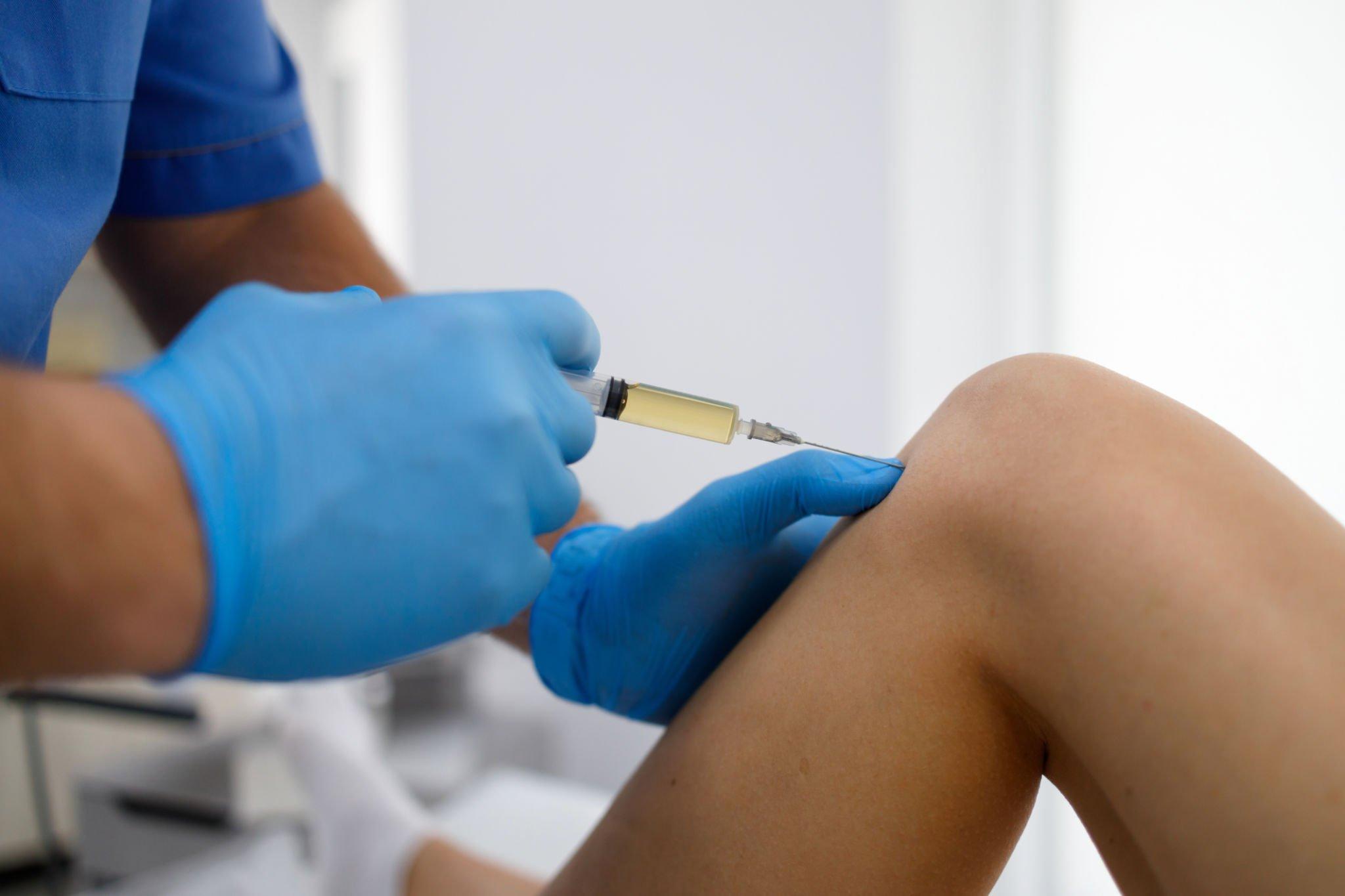
PRP therapy is a biological treatment method that uses concentrated platelets extracted from a patient’s blood. Firstly, medical professionals collect a small blood sample from the patient. After that, they process the blood using a specialized centrifuge machine.
Meanwhile, the centrifugation process separates platelet-rich plasma from other blood components. Through this procedure, doctors obtain plasma that contains growth factors, healing proteins, and regenerative cells.
Moreover, doctors inject this concentrated PRP solution directly into injured tissues or joints. Consequently, this stimulates natural tissue regeneration and accelerates healing response.
How PRP Therapy Works
The PRP treatment process follows scientific regenerative principles. Initially, doctors collect blood samples under sterile medical conditions. Subsequently, laboratory processing separates platelet-rich plasma.
Meanwhile, growth factors inside platelets stimulate tissue repair mechanisms. Through this biological activation, damaged cells begin healing naturally.
Moreover, PRP injections deliver concentrated healing proteins directly to injured areas. As a result, inflammation reduces and recovery speed improves significantly.
Conditions Treated with PRP Therapy
PRP therapy helps manage multiple orthopaedic and musculoskeletal problems. In particular, our specialists recommend PRP treatment for the following conditions:
Sports Injuries
Ligament strain and soft tissue injury
Muscle tear recovery
Tendon inflammation
Joint Disorders
Knee osteoarthritis pain
Shoulder joint degeneration
Elbow tendon disorders
Chronic Pain Conditions
Chronic back pain
Joint stiffness
Tendinitis
Furthermore, PRP therapy helps athletes recover faster from sports injuries. In addition, it improves tissue repair and supports long-term joint function.
Request a Callback
Benefits of PRP Therapy
PRP therapy offers multiple medical advantages. Importantly, patients choose PRP treatment because it supports natural healing.
1. Minimally Invasive Treatment
Unlike major surgical procedures, PRP therapy requires only injection-based treatment. Therefore, patients avoid surgical risks and long hospital stays.
2. Faster Recovery
Through biological stimulation, PRP therapy promotes rapid tissue regeneration. Consequently, patients return to daily activities sooner.
3. Reduced Pain and Inflammation
PRP injections help control chronic inflammation. Furthermore, joint pain decreases gradually after treatment.
4. Natural Healing Process
Since PRP uses patient’s own blood components, allergic reactions remain minimal. In addition, treatment safety improves significantly.
PRP Therapy Procedure at Our Hospital
At Asian Institute of Advanced Surgeries, PRP therapy follows a structured clinical protocol.
Firstly, doctors perform detailed medical evaluation and diagnostic assessment.
Secondly, trained medical staff collect blood samples using sterile equipment.
Afterward, blood processing occurs inside advanced laboratory centrifuge systems.
Meanwhile, patients receive local anesthesia if injection discomfort may occur.
Finally, doctors inject prepared PRP solution into the affected area.
Overall treatment duration usually remains between 30 to 60 minutes.
Recovery After PRP Treatment
Recovery after PRP therapy depends on injury severity. However, most patients resume routine activities within a few days.
Patients may experience mild swelling or discomfort initially. Therefore, doctors may recommend temporary activity restriction.
Furthermore, physiotherapy support may enhance treatment results. As a result, long-term joint strength improves.
Who Should Consider PRP Therapy?
PRP therapy is suitable for patients who experience:
Chronic joint pain
Sports injury recovery
Tendon inflammation
Early arthritis symptoms
Muscle and ligament injury
Non-healing soft tissue injury
In particular, athletes and physically active individuals benefit greatly from PRP treatment.
Why Choose Asian Institute of Advanced Surgeries?
At the Asian Institute of Advanced Surgeries, we provide advanced PRP therapy with expert medical supervision.
Experienced orthopaedic specialists
Modern regenerative treatment technology
Sterile clinical environment
Personalized treatment planning
Comprehensive follow-up care
Moreover, our patient-first treatment philosophy ensures safety and effectiveness.
When to Consult a Specialist?
Patients should consult an orthopaedic specialist if:
Pain persists for more than few weeks
Joint swelling continues
Mobility decreases
Sports performance declines
Ultimately, early medical consultation improves treatment outcomes.