
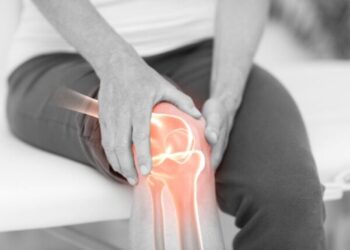
Preserved Natural Knee Techniques – Advanced Knee Care for Joint Preservation
Preserved natural knee techniques By Dr. Abhishek Bhalotia, practicing at Asian Institute Of Advanced Surgeries,It is specialized treatment approaches designed to maintain the original structure of the knee while addressing pain and joint damage. Knee problems often affect mobility, daily activities, and overall comfort. However, modern orthopaedic treatments increasingly focus on preserving the natural knee joint whenever possible.
At Asian Institute Of Advanced Surgeries, Nagpur, orthopaedic surgeon Dr. Abhishek Bhalotia (MS Ortho, Fellow Joint Replacement – Hyd, UK) uses modern surgical and non-surgical methods that focus on protecting the natural knee. Because these techniques aim to preserve healthy bone, cartilage, and ligaments, patients often experience improved joint function and a more natural feeling knee after treatment.
What Are Preserved Natural Knee Techniques?
Preserved natural knee techniques refer to advanced orthopaedic methods that treat knee conditions while keeping as much of the natural joint structure as possible.
Instead of replacing the entire knee joint, surgeons focus on repairing or treating the damaged portion. Consequently, patients can maintain better knee movement and stability.
Core Principles of Natural Knee Preservation
- Maintaining healthy bone and cartilage
- Protecting knee ligaments and muscles
- Treating only the damaged part of the joint
- Reducing surgical trauma
- Supporting natural knee movement
As a result, these techniques help many patients avoid full knee replacement surgery during the early or moderate stages of knee disease.
Why Preserving the Natural Knee Is Important ?
The natural knee joint contains complex structures that support smooth movement and stability. Therefore, maintaining these structures whenever possible can provide several benefits.
Advantages of Natural Knee Preservation
1. More Natural Joint Movement
Because the original knee structures remain intact, the joint often feels more natural after treatment.
2. Faster Recovery
Since less tissue is removed or replaced, patients frequently recover more quickly.
3. Reduced Surgical Trauma
Smaller surgical interventions reduce stress on surrounding muscles and tissues.
4. Better Long-Term Function
Maintaining natural ligaments and bone can improve overall joint mechanics.
5. Potential Delay of Full Knee Replacement
Many patients can postpone major joint replacement surgery with early treatment.
Conditions Treated With Natural Knee Preservation Techniques
Orthopaedic specialists may recommend preserved natural knee techniques for several joint conditions.
Common Knee Problems Treated
- Early-stage knee osteoarthritis
- Localized cartilage damage
- Partial knee joint degeneration
- Meniscus injuries
- Knee ligament instability
- Early knee arthritis symptoms
Because early diagnosis is important, patients experiencing persistent knee pain should seek medical evaluation promptly.
Types of Preserved Natural Knee Techniques
Modern orthopaedic care includes multiple treatment options that focus on maintaining natural knee structures.
1. Partial Knee Replacement
In this procedure, only the damaged compartment of the knee is replaced. Meanwhile, healthy bone and ligaments remain preserved.
2. Cartilage Repair Procedures
Specialized treatments repair damaged cartilage, which helps restore smoother joint movement.
3. Minimally Invasive Knee Surgery
Small incisions and advanced surgical tools allow surgeons to treat knee problems while protecting surrounding tissues.
4. Ligament Preservation Techniques
Certain procedures maintain or reconstruct the knee ligaments to support natural joint stability.
5. Targeted Knee Joint Treatments
Some techniques treat specific damaged areas of the knee rather than replacing the entire joint.
How the Treatment Process Works ?
Preserved natural knee techniques involve careful planning and precise surgical execution.
Step 1: Detailed Knee Evaluation
The orthopaedic specialist performs clinical examination and imaging tests such as X-rays or MRI scans.
Step 2: Personalized Treatment Planning
After evaluating the joint condition, the surgeon determines whether natural knee preservation techniques are suitable.
Step 3: Minimally Invasive Treatment
The surgeon addresses the damaged portion of the knee while protecting healthy joint structures.
Step 4: Post-Treatment Rehabilitation
Physiotherapy and guided exercises help restore knee strength and mobility.
Who Can Benefit From Preserved Natural Knee Techniques?
These advanced knee treatments are suitable for specific patients.
Ideal Candidates
- Patients with early to moderate knee arthritis
- Individuals with localized knee damage
- Active patients seeking joint preservation
- Patients experiencing persistent knee pain but with preserved joint structure
- Individuals who wish to delay full knee replacement surgery
However, a thorough medical assessment remains essential to determine the best treatment option.
Recovery and Rehabilitation
Recovery after preserved natural knee procedures is typically faster than recovery after traditional knee replacement surgery. Because these techniques protect the surrounding muscles, ligaments, and healthy bone, the healing process often becomes smoother. As a result, many patients regain knee movement earlier and return to everyday activities more comfortably.
Recovery Highlights
Improved Joint Strength and Flexibility
Consistent rehabilitation exercises support long-term knee function. Therefore, many patients experience better joint stability and smoother movement during recovery.
Early Knee Movement
In many cases, gentle knee movement begins soon after the procedure. Early mobility helps improve circulation and supports joint flexibility.
Shorter Hospital Stay
Because the procedure involves less tissue disruption, patients may spend less time in the hospital before returning home.
Structured Physiotherapy
Rehabilitation exercises play an important role in recovery. Physiotherapy helps strengthen the knee muscles while improving stability and balance.
Gradual Return to Daily Activities
Patients usually resume routine activities step by step. With proper guidance, walking, climbing stairs, and light movement become easier over time.
- Early movement encouraged after treatment
- Shorter hospital stay in many cases
- Structured physiotherapy programs
- Gradual return to daily activities
- Improved knee strength and flexibility
With proper rehabilitation, many patients regain comfortable knee movement and improved joint function.
Advanced Orthopaedic Care in Nagpur
At the Asian Institute Of Advanced Surgeries, Nagpur, patients receive advanced orthopaedic treatment focused on precision, safety, and long-term joint health.
Dr. Abhishek Bhalotia specializes in modern orthopaedic procedures including joint preservation techniques, minimally invasive surgeries, and advanced joint replacement procedures.
Orthopaedic Services Available
- Knee arthritis treatment
- Partial knee replacement surgery
- Minimally invasive knee procedures
- Robotic-assisted orthopaedic surgery
- Sports injury management
- Hip and knee joint replacement surgery
Because every patient has unique joint conditions, personalized treatment planning remains a key part of orthopaedic care.
When Should You Consult an Orthopaedic Specialist?
Early medical consultation can help preserve knee health and prevent worsening joint damage.
Symptoms That Require Evaluation
- Persistent knee pain
- Difficulty walking or climbing stairs
- Knee swelling or stiffness
- Limited knee movement
- Joint instability
If these symptoms continue, consulting an orthopaedic specialist may help identify suitable treatment options.
Frequently Asked Questions (FAQ)
What are preserved natural knee techniques?
Preserved natural knee techniques refer to advanced orthopaedic treatments that focus on managing knee problems while keeping most of the natural joint structure intact. These methods aim to protect healthy bone, cartilage, and ligaments while addressing the damaged portion of the knee.
Can these techniques prevent knee replacement surgery?
In certain situations, preserved natural knee treatments may delay or reduce the need for a complete knee replacement. Early intervention often helps control joint damage and supports better long-term knee function.
Are these procedures minimally invasive?
Several natural knee preservation treatments use minimally invasive surgical approaches. Because smaller incisions and specialized instruments are used, tissue damage is usually reduced and healing may become quicker.
How long does recovery take?
Recovery time depends on the specific treatment performed and the patient’s overall health. However, many individuals return to regular activities sooner when compared with traditional knee replacement surgery.
Who provides preserved natural knee treatments in Nagpur?
Patients in Nagpur can consult Dr. Abhishek Bhalotia, Orthopaedic Surgeon at the Asian Institute Of Advanced Surgeries, for advanced knee care and natural joint preservation treatment options.
Book Appointment with Dr. Abhishek Bhalotia at AIAS
If you are experiencing joint discomfort, restricted movement, or any musculoskeletal concerns, scheduling a consultation with Dr. Abhishek Bhalotia, MS Ortho, Fellow Joint Replacement (Hyd, UK), Robotic Joint Replacement Surgeon, can help you better understand your condition and explore appropriate care options. Early evaluation often helps patients address symptoms before they begin to interfere with everyday activities and mobility.
Consultations are available at Asian Institute of Advanced Surgeries (AIAS) in Nagpur, where patients receive a structured orthopaedic assessment focused on identifying factors affecting bone, joint, and movement health. During the visit, individuals can discuss their symptoms, medical history, lifestyle habits, and physical activity levels with Dr. Abhishek Bhalotia, ensuring a comprehensive evaluation and guidance toward suitable treatment options for improved joint function and mobility.