
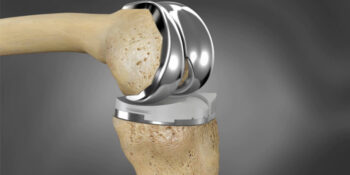
Precision Implant Alignment – Improving Joint Replacement Accuracy and Long-Term Outcomes (United SSH)
Precision Implant Alignment By Dr. Abhishek Bhalotia, practicing at Asian Institute Of Advanced Surgeries, Joint replacement surgery has transformed the treatment of severe joint damage, arthritis, and degenerative orthopedic conditions. However, one of the most important factors that determines the long-term success of joint replacement surgery is precision implant alignment. Proper positioning of artificial joint components ensures smooth movement, stability, and durability of the implant.
Modern orthopedic surgery increasingly focuses on achieving accurate implant placement through advanced surgical planning, digital imaging, and precision techniques. Because joint alignment affects how the implant interacts with surrounding bones and tissues, even small variations in positioning can influence recovery, mobility, and implant longevity.
At the Asian Institute Of Advanced Surgeries, advanced orthopedic technologies support precise surgical outcomes. Under the expertise of Dr. Abhishek Bhalotia, precision implant alignment plays an important role in joint replacement procedures designed to restore natural joint function and improve long-term patient outcomes.
Understanding Implant Alignment in Joint Replacement
Joint replacement surgery involves replacing damaged joint surfaces with artificial implants. These implants replicate the function of natural joints while relieving pain caused by arthritis or injury.
However, proper alignment is critical because implants must match the natural mechanical axis of the joint. When alignment is accurate, the artificial joint moves smoothly and distributes weight evenly.
Therefore, precision implant alignment contributes significantly to the overall success of joint replacement surgery.
Why Precision Implant Alignment Is Important ?
Accurate implant positioning offers multiple benefits for patients undergoing joint replacement surgery.
Improved Joint Stability
Correct alignment allows the implant to function naturally within the joint structure.
Better Weight Distribution
Even distribution of body weight reduces excessive stress on implant components.
Reduced Wear and Tear
Proper positioning prevents abnormal friction between implant surfaces.
Longer Implant Lifespan
Accurate alignment helps implants last longer without requiring revision surgery.
Enhanced Mobility
Well-aligned implants support smooth joint movement and improved range of motion.
Common Joint Replacement Procedures Requiring Precision Alignment
Several orthopedic surgeries require highly accurate implant placement.
Knee Replacement Surgery
Knee replacement involves replacing damaged cartilage and bone surfaces with prosthetic components. Because the knee joint carries body weight during walking and standing, precise alignment is essential for stability and movement.
Hip Replacement Surgery
Hip replacement procedures involve replacing the hip socket and femoral head with artificial implants. Proper positioning ensures smooth rotation and stable joint movement.
Partial Joint Replacement
Partial replacement procedures focus on replacing only the damaged portion of a joint. These procedures require careful alignment to maintain the natural mechanics of the joint.
Factors That Influence Implant Alignment
Several elements contribute to accurate implant placement during orthopedic surgery.
Preoperative Planning
Detailed surgical planning allows surgeons to evaluate joint anatomy before the procedure. Imaging technologies such as digital X-rays and CT scans provide valuable information about bone structure and alignment.
Surgical Technique
Experienced orthopedic surgeons use specialized techniques to position implants precisely during surgery.
Advanced Surgical Technology
Modern technology enhances surgical accuracy and improves implant positioning.
Role of Computer-Assisted Surgical Planning
Computer-assisted planning systems analyze patient anatomy and simulate surgical procedures before surgery.
These systems help surgeons:
- Identify the optimal implant size
- Determine the best implant position
- Predict joint alignment after surgery
As a result, surgical precision improves and potential errors are minimized.
Robotic-Assisted Orthopedic Surgery
Robotic-assisted surgery represents one of the most advanced developments in orthopedic treatment.
Robotic systems assist surgeons by providing:
- Real-time imaging guidance
- Highly accurate bone preparation
- Precise implant placement
Consequently, robotic technology supports improved implant alignment and better surgical outcomes.
Advanced orthopedic centers such as the Asian Institute Of Advanced Surgeries incorporate modern technology to enhance surgical precision.
Benefits of Precision Implant Alignment
Accurate implant placement provides several important advantages.
Improved Joint Function
Patients often experience smoother joint movement after surgery.
Reduced Risk of Implant Failure
Correct alignment decreases the likelihood of implant loosening or instability.
Faster Recovery
When implants function properly, rehabilitation becomes easier and recovery may occur more quickly.
Better Long-Term Outcomes
Patients often maintain joint mobility and comfort for many years after surgery.
Role of Rehabilitation After Implant Surgery
Even with precise implant alignment, rehabilitation remains essential for successful recovery.
Rehabilitation programs focus on:
- Strengthening surrounding muscles
- Improving joint flexibility
- Restoring range of motion
- Enhancing balance and coordination
Under the supervision of orthopedic specialists such as Dr. Abhishek Bhalotia, rehabilitation plans help patients regain confidence in their joint movement.
Preventing Implant Misalignment
Several strategies help ensure accurate implant placement.
Advanced Imaging Techniques
Detailed imaging allows surgeons to evaluate joint structures before surgery.
Custom Surgical Planning
Personalized surgical plans improve implant positioning based on individual anatomy.
Surgical Experience
Experienced surgeons possess the expertise necessary for precise implant placement.
Maintaining Implant Health After Surgery
Patients can support long-term implant function by following recommended lifestyle practices.
Maintain Healthy Weight
Excess weight increases stress on joint implants.
Follow Rehabilitation Exercises
Regular exercises help strengthen muscles that support the joint.
Avoid High-Impact Activities
Low-impact exercises are recommended to protect the implant.
Attend Follow-Up Visits
Regular medical checkups allow doctors to monitor implant performance.
Benefits of Precision Orthopedic Care
Modern orthopedic techniques that focus on precision offer several advantages.
- Better surgical accuracy
- Reduced complication rates
- Faster patient recovery
- Longer implant durability
- Improved quality of life
These benefits highlight the importance of precision implant alignment in orthopedic surgery.
When to Consult an Orthopedic Specialist ?
Patients experiencing the following symptoms should seek orthopedic evaluation:
- Severe joint pain
- Reduced mobility
- Difficulty walking or climbing stairs
- Joint stiffness or swelling
Early consultation allows specialists to determine whether joint replacement or other treatments may improve joint function.
Patients seeking expert orthopedic care may consult specialists at the Asian Institute Of Advanced Surgeries, where Dr. Abhishek Bhalotia provides comprehensive orthopedic treatment solutions.
Frequently Asked Questions (FAQs)
What is precision implant alignment?
Precision implant alignment refers to the accurate placement of artificial joint implants during joint replacement surgery to ensure proper joint function and long-term durability.
Why is implant alignment important in joint replacement?
Correct alignment allows the implant to move naturally, reduces wear and tear, and improves long-term surgical outcomes.
Does robotic surgery improve implant alignment?
Yes. Robotic-assisted surgical systems help surgeons position implants with greater precision.
How long do joint implants last?
Many modern joint implants last 15 to 20 years or longer when properly aligned and maintained.
Can misaligned implants cause complications?
Yes. Poor implant alignment may lead to joint instability, pain, and premature implant wear.
Book Appointment with Dr. Abhishek Bhalotia at AIAS
If you are experiencing joint discomfort, restricted movement, or any musculoskeletal concerns, scheduling a consultation with Dr. Abhishek Bhalotia, MS Ortho, Fellow Joint Replacement (Hyd, UK), Robotic Joint Replacement Surgeon, can help you better understand your condition and explore appropriate care options. Early evaluation often helps patients address symptoms before they begin to interfere with everyday activities and mobility.
Consultations are available at Asian Institute of Advanced Surgeries (AIAS) in Nagpur, where patients receive a structured orthopaedic assessment focused on identifying factors affecting bone, joint, and movement health. During the visit, individuals can discuss their symptoms, medical history, lifestyle habits, and physical activity levels with Dr. Abhishek Bhalotia, ensuring a comprehensive evaluation and guidance toward suitable treatment options for improved joint function and mobility.