Asian Institute Of Advanced Surgeries

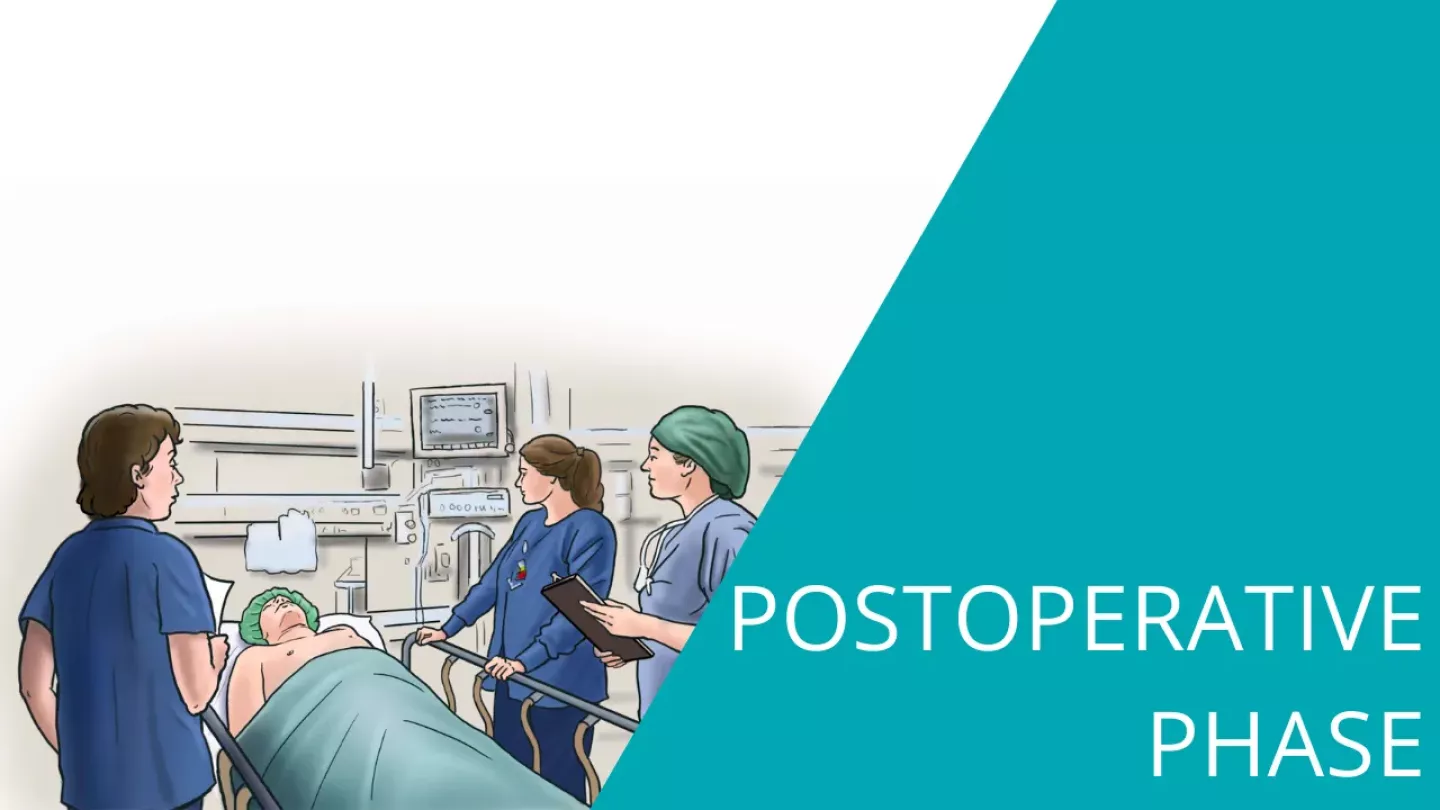
Postoperative Abnormalities At Asian Institute Of Advanced Surgeries
At Asian Institute Of Advanced Surgeries, patients receive expert monitoring and advanced corrective treatment for Postoperative Abnormalities.Postoperative Abnormalities can occur after surgical procedures. Therefore, early identification is essential for safe recovery. Moreover, timely medical care prevents complications and supports optimal healing.
Postoperative Abnormalities require prompt attention and professional care. Therefore, early recognition ensures faster recovery and better outcomes. At Asian Institute Of Advanced Surgeries, advanced monitoring and personalized treatment plans support safe and successful healing.
What Are Postoperative Abnormalities?
Postoperative Abnormalities refer to unexpected changes that develop after surgery. In some cases, these changes may be minor and temporary. However, certain abnormalities require immediate medical evaluation.
Common examples Of Postoperative Abnormalities
Excessive swelling
Persistent pain
Infection
Fluid accumulation
Delayed wound healing
Asymmetry after cosmetic procedures
Consequently, structured follow-up care remains critical for early detection.
Causes Of Postoperative Abnormalities
Postoperative Abnormalities can develop due to multiple factors. For instance, improper wound care may increase infection risk. Similarly, underlying medical conditions can slow the healing process.
Other contributing causes include:
Surgical trauma
Poor blood circulation
Smoking
Diabetes
Inadequate rest
Premature physical activity
Therefore, comprehensive patient assessment reduces potential complications.
Common Symptoms To Watch
Patients should remain attentive to unusual signs after surgery. Initially, mild discomfort is normal. However, worsening symptoms require immediate consultation.
Key warning signs include:
Increasing redness around incision
Fever or chills
Unusual discharge
Severe swelling
Persistent bleeding
Sudden asymmetry
As a result, early medical attention prevents further progression.
Diagnosis And Evaluation
At Asian Institute Of Advanced Surgeries, specialists conduct thorough clinical examinations. In addition, imaging or laboratory tests may be recommended when necessary.
Evaluation typically includes:
Physical assessment
Review of surgical history
Infection screening
Ultrasound examination if fluid is suspected
Consequently, accurate diagnosis guides effective treatment planning.
Treatment Options For Postoperative Abnormalities
Treatment depends on the severity and underlying cause. In mild cases, medications and observation may be sufficient. Nevertheless, complex cases may require minor corrective procedures.
Management options include:
Antibiotic therapy
Drainage of fluid collections
Wound revision
Scar management treatments
Surgical correction in rare cases
Therefore, individualized treatment ensures safe and reliable recovery.

Prevention Of Postoperative Abnormalities
Prevention always remains better than correction. Hence, following post-surgical instructions plays a vital role.
Preventive measures include:
Maintaining wound hygiene
Taking prescribed medications
Avoiding strenuous activity
Attending scheduled follow-ups
Maintaining a healthy diet
Staying hydrated
As a result, the risk of complications significantly decreases.
Request a Callback
Importance Of Regular Follow-Up
Follow-up appointments allow specialists to monitor healing progress. Furthermore, early signs of Postoperative Abnormalities can be identified during routine visits.
At Asian Institute Of Advanced Surgeries, structured recovery protocols ensure patient safety. Consequently, complications are managed promptly and effectively.
When To Seek Immediate Care
Certain symptoms require urgent attention. For example, high fever or uncontrolled bleeding must never be ignored. Likewise, severe pain that worsens over time needs medical evaluation.
Therefore, contacting a qualified surgeon without delay ensures appropriate intervention.
Why Choose Asian Institute Of Advanced Surgeries?
Asian Institute Of Advanced Surgeries offers advanced surgical care supported by experienced specialists. Moreover, patient safety remains the highest priority.
Key advantages include:
Comprehensive pre-surgical assessment
Advanced operating facilities
Strict infection control protocols
Personalized recovery guidance
Continuous post-operative monitoring
As a result, patients receive reliable care throughout their healing journey.
Frequently Asked Questions For Postoperative Abnormalities
1.Are Postoperative Abnormalities common?
Minor abnormalities may occur occasionally. However, serious complications remain uncommon when proper care is followed.
2.Can Postoperative Abnormalities be corrected?
Yes. Most abnormalities can be effectively treated with timely intervention.
3.How long does recovery take after correction?
Recovery time varies depending on the condition. Nevertheless, early treatment usually shortens healing duration.
4.How can I reduce my risk?
Following medical instructions and attending follow-ups significantly lowers risk.