
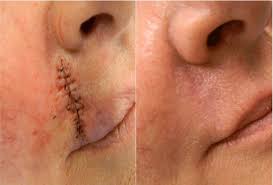
Post-Surgical Scar Treatment in Nagpur – Advanced Care for Smooth and Healthy Skin
Surgical procedures often leave scars as part of the natural healing process. While many scars fade gradually, some may remain visible, raised, or uneven. Because of this, many individuals seek professional treatments that can improve scar appearance and restore smoother skin. Modern aesthetic and reconstructive techniques now offer effective solutions to manage post-surgical scars safely.
If you are searching for Post-Surgical Scar Treatment in Nagpur, Dr. Siddharth Mendiratta at Asian Institute of Advanced Surgeries (AIAS), Nagpur provides advanced scar management treatments that help reduce scar visibility and improve overall skin texture. With the right treatment approach, patients can achieve healthier and more natural-looking skin.
Understanding Post-Surgical Scars
Post-surgical scars develop when the body heals after an operation. During the healing process, the skin produces collagen fibers to close the wound. Although this process protects the body, it may sometimes create thick, raised, or uneven scar tissue.
However, proper scar treatment can significantly improve the appearance of surgical scars. In many cases, advanced cosmetic procedures help scars blend with the surrounding skin, which results in smoother and more balanced skin texture.
Common surgeries that may leave visible scars include:
- Plastic and cosmetic surgery
- Orthopedic procedures
- Abdominal surgeries
- C-section surgery
- Skin tumor removal
- Injury-related surgeries
Because every scar heals differently, specialists evaluate each case carefully before recommending treatment.
Why Post-Surgical Scars Become Noticeable
Several factors influence how a scar develops after surgery. Sometimes scars remain small and fade naturally. However, certain conditions may cause scars to become more visible.
Important factors include:
- Genetic tendency for scar formation
- Location of the surgical incision
- Skin type and healing capacity
- Infection or delayed wound healing
- Excess collagen production
Therefore, early scar management often helps prevent severe scar formation and improves long-term skin appearance.
Types of Post-Surgical Scars
Different types of scars may appear after surgery. Understanding these scar types helps doctors select the most suitable treatment method.
Hypertrophic Scars
Hypertrophic scars appear raised and thick but remain within the boundaries of the original surgical incision. These scars may look red or firm during the early healing stages.
Keloid Scars
Keloid scars grow beyond the original wound area. They often appear larger, darker, and more elevated than surrounding skin. Some individuals have a genetic tendency to develop keloids.
Atrophic Scars
Atrophic scars create a sunken or depressed appearance in the skin. Although they occur less frequently after surgery, they may develop in certain cases.
Contracture Scars
Contracture scars usually develop after burns or large surgical wounds. These scars tighten the surrounding skin and may restrict movement near joints.
Because each scar behaves differently, doctors recommend customized treatments based on the scar type and severity.
Advanced Post-Surgical Scar Treatments in Nagpur
At Asian Institute of Advanced Surgeries (AIAS), specialists offer a variety of advanced treatments designed to improve surgical scars. Doctors select the treatment approach based on scar size, location, and skin condition.
1. Laser Scar Treatment
Laser therapy helps improve scar appearance by stimulating collagen remodeling and reducing redness. The laser energy targets the scar tissue while encouraging healthy skin regeneration.
Benefits of laser treatment include:
- Smoother skin texture
- Reduced scar discoloration
- Gradual fading of scar tissue
- Minimal downtime
Many patients notice visible improvement after multiple treatment sessions.
2. Scar Revision Surgery
Scar revision surgery reshapes the scar tissue and carefully repositions the skin to create a finer and less visible scar. Surgeons often recommend this treatment for large or irregular scars.
During the procedure, the doctor removes or adjusts the existing scar and closes the skin using advanced surgical techniques.
As a result, the scar becomes less noticeable and blends more naturally with the surrounding skin.
3. Steroid Injection Therapy
Steroid injections help flatten thick or raised scars by reducing excess collagen production. Doctors inject medication directly into the scar tissue to soften and shrink it gradually.
This treatment works particularly well for hypertrophic scars and keloids.
4. Silicone Gel and Silicone Sheets
Silicone-based treatments help soften and hydrate scar tissue. Regular application can improve scar texture and reduce redness over time.
Doctors often recommend silicone therapy during the early stages of scar healing.
5. Microneedling for Scar Improvement
Microneedling stimulates collagen production by creating tiny controlled micro-injuries in the skin. As the skin repairs itself, the scar gradually becomes smoother and less visible.
This treatment works effectively for mild surgical scars and uneven skin texture.
Benefits of Post-Surgical Scar Treatment
Modern scar management treatments offer several benefits that improve both appearance and skin health.
Key advantages include:
- Reduced visibility of surgical scars
- Improved skin texture and tone
- Softening of raised or thick scars
- Enhanced skin flexibility
- Increased confidence and comfort
Because doctors personalize each treatment plan, patients receive care that suits their specific skin needs.
What to Expect During Treatment
The treatment process begins with a consultation where the doctor carefully evaluates the scar. During this assessment, the specialist considers factors such as scar type, age, location, and skin condition.
After the evaluation, the doctor recommends the most suitable treatment option. Some treatments may require multiple sessions to achieve optimal results.
Most procedures involve minimal downtime, which allows patients to resume normal activities soon after treatment.
Additionally, gradual improvement becomes visible as the skin heals and regenerates.
Recovery and Aftercare
Proper aftercare helps support healing and enhances the effectiveness of scar treatment.
Patients usually receive the following recommendations:
- Keep the treated area clean and moisturized
- Avoid excessive sun exposure
- Apply prescribed creams or silicone gel
- Follow the doctor’s skincare instructions
- Attend follow-up appointments if needed
Because skin healing takes time, patients often notice progressive improvement over several weeks or months.
Why Choose Dr. Siddharth Mendiratta for Post-Surgical Scar Treatment in Nagpur?
Choosing an experienced plastic surgeon plays an important role in achieving successful scar treatment results.
Dr. Siddharth Mendiratta at Asian Institute of Advanced Surgeries (AIAS), Nagpur specializes in advanced scar management and reconstructive procedures.
Patients benefit from:
- Expertise in plastic and reconstructive surgery
- Advanced scar correction techniques
- Personalized treatment plans
- Modern medical technology
- Safe and hygienic clinical facilities
Because each patient receives customized care, the treatment focuses on restoring natural-looking skin while improving scar appearance.
Who Should Consider Post-Surgical Scar Treatment?
Post-surgical scar treatment is suitable for individuals who feel concerned about the appearance of their surgical scars.
You may benefit from treatment if:
- Your surgical scar appears raised or thick
- The scar causes cosmetic concerns
- The scar appears red, dark, or uneven
- The scar causes tightness or discomfort
Consulting a specialist helps determine the most effective treatment plan for your condition.
Short FAQs
1. Can post-surgical scars be completely removed?
Scar treatments significantly reduce scar visibility, although complete removal may not always be possible.
2. When should I start scar treatment after surgery?
Doctors usually recommend starting treatment once the wound heals completely.
3. Are scar treatments painful?
Most treatments involve minimal discomfort, and doctors may use numbing techniques when needed.
4. How long does it take to see results?
Patients usually notice improvement within a few weeks, although full results may take several months.
5. Are post-surgical scar treatments safe?
Yes, qualified specialists perform these treatments safely using modern medical techniques.
Book an Appointment with Dr. Siddharth Mendiratta
If you are looking for scar treatment, scar revision surgery, keloid treatment, burn scar correction, tattoo removal, or cosmetic scar management, professional evaluation is important for the best results. Early treatment can help improve skin texture, reduce visible scars, and restore confidence.
Consult Dr. Siddharth Mendiratta at the Asian Institute of Advanced Surgeries (AIAS), Nagpur for advanced solutions including post-surgical scar treatment, aesthetic correction surgery, skin texture improvement, and cosmetic revision procedures.
Schedule your consultation at AIAS Nagpur to receive a personalized treatment plan designed to achieve smoother, healthier-looking skin.