Asian Institute Of Advanced Surgeries

Post-surgical scar Treatment In Nagpur
Welcome to the world of aesthetic transformation led by Dr. Siddharth Mendiratta. With a profound passion for the art and science of plastic surgery, Dr Siddharth Mendiratta is dedicated to helping individuals achieve their unique vision of beauty and confidence.
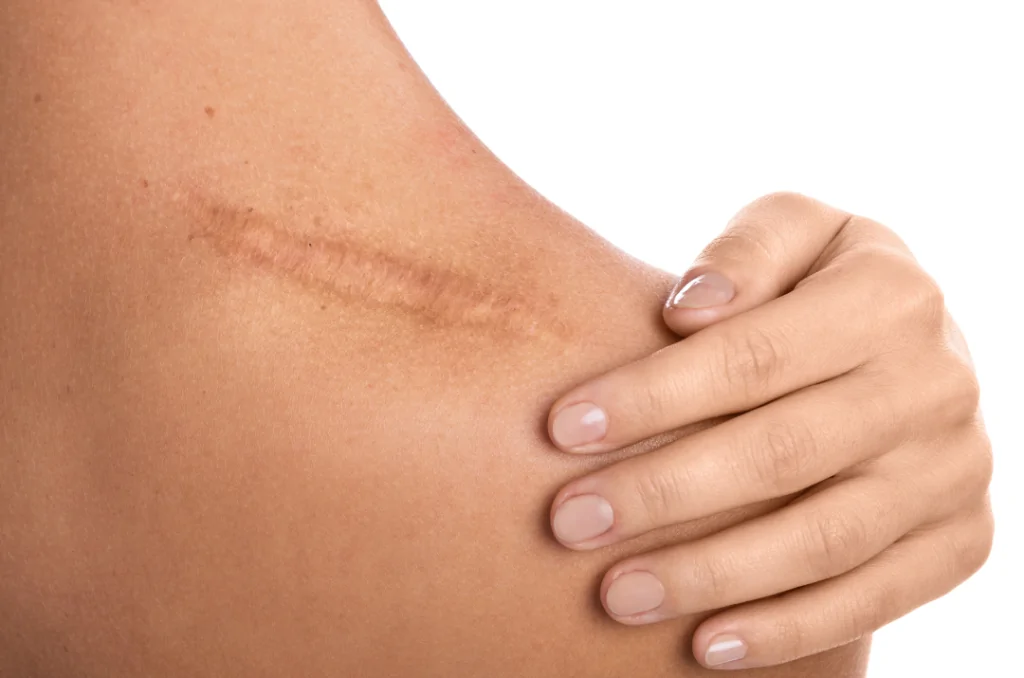
Post-surgical scar Treatment In Nagpur at Asian Institute of Advanced Surgeries (AIAS) provides personalized care for scars that remain visible, raised, uneven, thick, dark, or tight after surgery. Although scars naturally develop as the skin heals, some may become more noticeable because of individual healing patterns, incision location, tissue tension, or skin characteristics. Dr. Siddharth Mendiratta carefully examines the scar before recommending a suitable treatment approach. He considers its size, texture, thickness, colour, flexibility, age, and effect on nearby tissues. Depending on the scar, treatment may include non-surgical scar care, laser-based procedures, injections, scar revision, or reconstructive techniques. This individualized approach helps address specific concerns while maintaining realistic expectations about improvement.
Personalized Care For Noticeable Surgical Scars
A surgical scar can look different from one person to another. Some scars remain thin and subtle, while others may become raised, wide, thick, uneven, or darker than the surrounding skin. At AIAS, Dr. Siddharth Mendiratta first understands what concerns you about the scar. He then examines its appearance and surrounding tissue before suggesting treatment. This approach allows the treatment plan to address your specific concern instead of following a standard method.
• Individual scar evaluation
• Appearance-focused assessment
• Tissue condition review
• Personalized treatment planning
• Realistic outcome discussion
Understanding Changes In Surgical Scar Appearance
Surgical scars can continue to change as they mature. Their final appearance can depend on the surgical site, healing process, skin characteristics, wound tension, and individual tissue response. Some scars may become raised or firm, while others can widen or develop uneven texture. In certain cases, scar tissue may become tight and affect movement. Understanding these changes helps Dr. Siddharth Mendiratta select a suitable treatment strategy.
• Scar maturation
• Raised scar formation
• Uneven texture
• Widened scars
• Tight or restrictive scars
Detailed Assessment Before Post-surgical scar Treatment In Nagpur
Before recommending Post-Surgical Scar Treatment In Nagpur, Dr. Siddharth Mendiratta evaluates several characteristics of the scar. He considers its age, location, size, thickness, texture, colour, flexibility, and previous treatment. He also checks whether the scar causes itching, discomfort, tightness, or movement restriction. Based on these findings, he determines whether conservative care, non-surgical treatment, scar revision, or another option may provide suitable improvement.
• Scar type assessment
• Tissue quality evaluation
• Functional assessment
• Previous treatment review
• Individual treatment selection
Advanced Options For Surgical Scar Improvement
Different scars require different treatment approaches. At AIAS, Dr. Siddharth Mendiratta may recommend surgical or non-surgical options according to the scar’s characteristics. Depending on your condition, treatment may include silicone-based care, injections, laser-based procedures, scar revision, or reconstructive techniques. Some patients may benefit from a combination of approaches. The treatment plan therefore depends on the individual scar rather than a fixed protocol.
• Non-surgical scar care
• Laser-based procedures
• Selected injectable treatments
• Scar revision
• Combination approaches
Surgical Scar Revision For Visible Scars During Post-surgical scar Treatment In Nagpur
Surgical Scar Revision In Nagpur may help improve selected scars that remain prominent, irregular, widened, or poorly positioned after healing. Dr. Siddharth Mendiratta examines the scar and surrounding skin before considering revision surgery. Depending on the condition, the procedure may revise existing scar tissue and create a more favourable closure. However, scar revision cannot completely erase a scar. Instead, the goal is to improve selected aspects of its appearance or function.
• Scar shape refinement
• Selected scar revision
• Texture improvement
• Scar position correction
• Realistic treatment goals
Non-Surgical Approaches For Post-Surgical Scar Treatment In Nagpur
Not every surgical scar requires another operation. Selected scars may respond to non-surgical treatments based on their appearance and tissue characteristics. Dr. Siddharth Mendiratta may consider silicone-based care, injections, laser-based procedures, or other suitable options. Some treatments may require multiple sessions or ongoing care. Therefore, the treatment schedule depends on the scar and its response.
• Silicone-based scar care
• Selected injections
• Laser-based treatment
• Non-surgical management
• Individual treatment schedule
Managing Raised, Thick And Uneven Scars During Post-surgical scar Treatment In Nagpur
Some surgical scars can become raised, thick, firm, or uneven. These scars may also cause itching or discomfort. Dr. Siddharth Mendiratta evaluates the scar’s thickness, texture, and development before recommending treatment. Depending on the condition, management may include injections, silicone-based care, laser treatment, revision surgery, or combined approaches. The selected treatment depends on the individual characteristics of the scar.
• Raised scar assessment
• Thickness management
• Texture improvement
• Injectable options
• Combination treatment
Treatment For Tight Or Restrictive Scars During Post-surgical scar Treatment In Nagpur
Some scars can become tight and restrict normal movement. This concern may occur when scar tissue develops near joints or across areas that require regular flexibility. At AIAS, Dr. Siddharth Mendiratta evaluates the degree of restriction and surrounding tissue before recommending treatment. Depending on the condition, scar release or reconstructive surgery may help improve movement and tissue flexibility.
• Contracture assessment
• Movement evaluation
• Scar release
• Tissue reconstruction
• Functional treatment planning
Improving The Look And Texture Of Surgical Scars
Visible scars can sometimes affect the appearance of an otherwise healed surgical area. At AIAS, Dr. Siddharth Mendiratta considers the scar’s colour, texture, shape, and position before recommending treatment. Selected procedures may help make the scar less noticeable or improve its surface characteristics. However, results vary according to the scar and individual healing response.
• Scar visibility improvement
• Texture refinement
• Colour assessment
• Contour improvement
• Natural-looking goals
Benefits Of Post-Surgical Scar Treatment In Nagpur
Appropriate scar management can address selected cosmetic and functional concerns. The level of improvement depends on the scar type, treatment method, and individual healing response.
• Improved Appearance: Make selected scars less noticeable.
• Better Texture: Address raised or uneven scar surfaces.
• Reduced Tightness: Manage selected restrictive scars.
• Functional Support: Treatment may help when scar tissue limits movement.
• Personalized Care: Match treatment to your individual scar.
• Clear Expectations: Understand potential improvement and limitations.
Recovery Guidance After Scar Treatment
Recovery varies according to the treatment selected. Non-surgical procedures may involve limited downtime, while surgical scar revision may require a longer healing period. Dr. Siddharth Mendiratta provides aftercare instructions based on the procedure performed. These instructions may include wound care, activity guidance, skincare, medication, and follow-up visits. Following the recommended care can support healing and allow your progress to be monitored.
• Procedure-specific recovery
• Wound care guidance
• Activity instructions
• Skincare recommendations
• Follow-up care
Why Choose AIAS For Scar Care In Nagpur?
Asian Institute of Advanced Surgeries (AIAS) follows a personalized approach to post-surgical scar management. Dr. Siddharth Mendiratta evaluates each scar before recommending treatment and considers its appearance, texture, location, tissue condition, and functional effect. He also explains realistic expectations because scar treatment aims to improve a scar rather than guarantee complete removal. Depending on the condition, treatment may involve surgical, non-surgical, or combination approaches.
• Detailed scar assessment
• Personalized treatment planning
• Multiple treatment options
• Cosmetic and functional focus
• Clear treatment guidance
Frequently Asked Questions (FAQ) - Post-Surgical Scar Treatment In Nagpur
1. Can A Noticeable Surgical Scar Be Improved?
Yes. Selected treatments can improve the appearance, texture, thickness, or tightness of a noticeable surgical scar.
2. Is Treatment Available For Old Surgical Scars?
Yes, selected older scars may benefit from treatment. Dr. Siddharth Mendiratta assesses the scar before recommending a suitable approach.
3. Does Every Surgical Scar Need Revision Surgery?
No. Some scars may respond to non-surgical management, while others may require scar revision or reconstructive treatment.
4. Can Non-Surgical Methods Improve Surgical Scars?
Yes. Depending on the scar, options may include silicone-based care, selected injections, or laser-based treatments.
5. Can Treatment Help A Tight Surgical Scar?
Treatment may help selected restrictive scars. The appropriate approach depends on the scar’s location, severity, and effect on movement.