Asian Institute Of Advanced Surgeries

Post-operative care In Nagpur
Welcome to the world of aesthetic transformation led by Dr. Siddharth Mendiratta. With a profound passion for the art and science of plastic surgery, Dr Siddharth Mendiratta is dedicated to helping individuals achieve their unique vision of beauty and confidence.
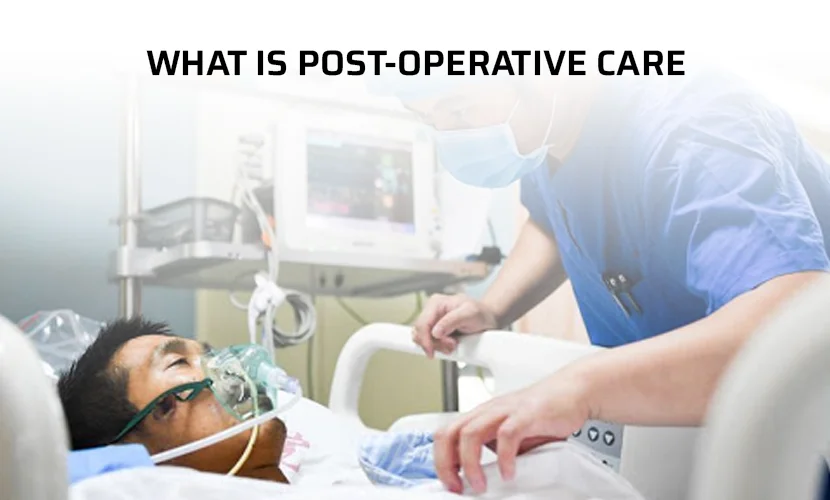
Post-Operative Care In Nagpur at Asian Institute of Advanced Surgeries (AIAS) helps patients manage the healing period after plastic, cosmetic, and reconstructive procedures. Surgery is an important step, but proper care afterward also plays a major role in recovery. Depending on the procedure, you may need wound care, dressing changes, medicines, activity restrictions, and follow-up visits. Dr. Siddharth Mendiratta provides personalized aftercare instructions based on your surgery, treatment area, tissue condition, and healing response. He also explains what you can expect during recovery and when you should seek medical advice. This guidance helps you care for the treated area at home while gradually returning to your usual routine. With appropriate follow-up and clear instructions, you can approach the recovery period with greater confidence.
Personalized Care After Your Procedure By Dr.Siddharth Mendiratta
Caring For the Surgical Area For Post-Operative Care In Nagpur
Managing Pain and Discomfort For Post-Operative Care In Nagpur
Managing Swelling and Bruising For Post-Operative Care In Nagpur
Medicines and Recovery Instructions For Post-Operative Care In Nagpur
Gradually Returning to Normal Activities For Post-Operative Care In Nagpur
Follow-Up Appointments Matter
Recognizing Changes That Need Attention
Contact your medical team if you experience:
🔹 Severe or increasing pain
🔹 Sudden or worsening swelling
🔹 Spreading redness around the wound
🔹 Unusual or increasing discharge
🔹 Persistent bleeding
🔹 Fever or feeling unusually unwell
🔹 Wound opening or separation
🔹 Unexpected changes in the treated area
If you are unsure whether a symptom is part of normal healing, it is better to ask your medical team. Prompt communication allows the concern to be assessed and appropriate advice to be provided.
Recovery After Cosmetic Surgery
Cosmetic procedures can involve different recovery requirements depending on the treatment area and surgical technique. Facial procedures may involve temporary swelling or bruising, while breast surgery and body contouring may require specific activity restrictions. Gynecomastia surgery can also involve a period of swelling and gradual tissue adjustment. Dr. Siddharth Mendiratta provides procedure-specific instructions so you understand how to care for the treated area. He can also explain when you may return to work, exercise, and other routine activities. Recovery can take time, and the final appearance may not be visible immediately after surgery. Following your aftercare instructions and attending scheduled reviews can help you understand your progress while allowing the surgical team to monitor the healing process.
Recovery After Reconstructive Surgery
Reconstructive surgery may require a more detailed recovery plan because the procedure can involve damaged tissue, wounds, burns, scars, skin grafts, flap reconstruction, or tissue loss. The healing period can therefore vary considerably between patients. Dr. Siddharth Mendiratta assesses the reconstructed area during follow-up and provides instructions based on the condition of the tissue. You may need specific wound-care measures, dressing changes, movement restrictions, or additional appointments. Protecting the treated area is particularly important during the early stages of healing. Avoid unnecessary pressure or injury unless your medical team advises otherwise. By following the recommended care plan and reporting unexpected changes promptly, you can stay informed about your recovery and receive appropriate guidance as the tissues heal.
Aftercare Following Flap Reconstruction
Flap reconstruction uses suitable tissue to restore coverage in another part of the body. Because the procedure involves reconstructed tissue, careful postoperative monitoring can be an important part of recovery. Dr. Siddharth Mendiratta assesses the treated area during follow-up and provides guidance according to your healing progress. Depending on the reconstruction, you may need to limit particular movements or activities while the area recovers. Protect the surgical site from unnecessary pressure, friction, or injury during the recommended period. Your doctor can also explain how to manage dressings and when normal activities may gradually resume. Regular reviews help the medical team monitor the reconstructed area and respond appropriately if your recovery does not progress as expected.
Why Choose AIAS for Post-Operative Care?
At Asian Institute of Advanced Surgeries (AIAS), postoperative care forms an important part of the overall surgical journey. Dr. Siddharth Mendiratta provides recovery guidance based on the procedure performed, treatment area, tissue condition, and individual healing response. He explains wound care, activity restrictions, medicines, follow-up requirements, and other relevant aspects of recovery in clear language. The care plan can also be reviewed as your healing progresses. This is particularly useful for patients recovering from cosmetic procedures, scar revision, body contouring, burn reconstruction, skin grafting, flap reconstruction, or other plastic and reconstructive treatments. With regular monitoring and personalized instructions, patients can better understand what to expect and how to care for the treated area during each stage of recovery.
Frequently Asked Questions (FAQ) For Post-Operative Care In Nagpur
1. What does post-operative care include?
Post-operative care includes the steps followed after surgery to support healing and monitor your recovery. It may involve wound care, dressing changes, medicines, activity guidance, and scheduled follow-up visits.
2. How long does post-operative recovery take?
Recovery time depends on the procedure, treatment area, extent of surgery, and your individual healing response. Dr. Siddharth Mendiratta can explain the expected recovery period during your consultation.
3. How should I care for my surgical wound?
Follow the wound-care instructions provided by your medical team. These may include keeping the area clean, changing dressings as advised, and protecting the wound from unnecessary pressure or injury.
4. Is swelling normal after plastic surgery?
Swelling can occur after many plastic, cosmetic, and reconstructive procedures. It usually changes gradually during healing. Sudden or worsening swelling should be discussed with your medical team.
5. When can I return to normal activities?
The timing varies according to your procedure and recovery progress. Dr. Siddharth Mendiratta can guide you about returning to work, exercise, driving, lifting, and other activities.